


If you are not in the performance footwear world, you could easily pass by Montebelluna without realising its significance. Overshadowed by nearby Venice and tucked quietly into the foothills of the Dolomites, it is a place that hides in plain sight. Yet it is here that an entire global industry was forged.
Last week, thanks to the Design & Develop team, I travelled to Montebelluna for FTW Day, their one-day gathering focused on the future of footwear creation. But before looking ahead to that future, I took the chance to explore something just as revealing: the past that made it possible.
The Seeds that Sowed a Global Industry
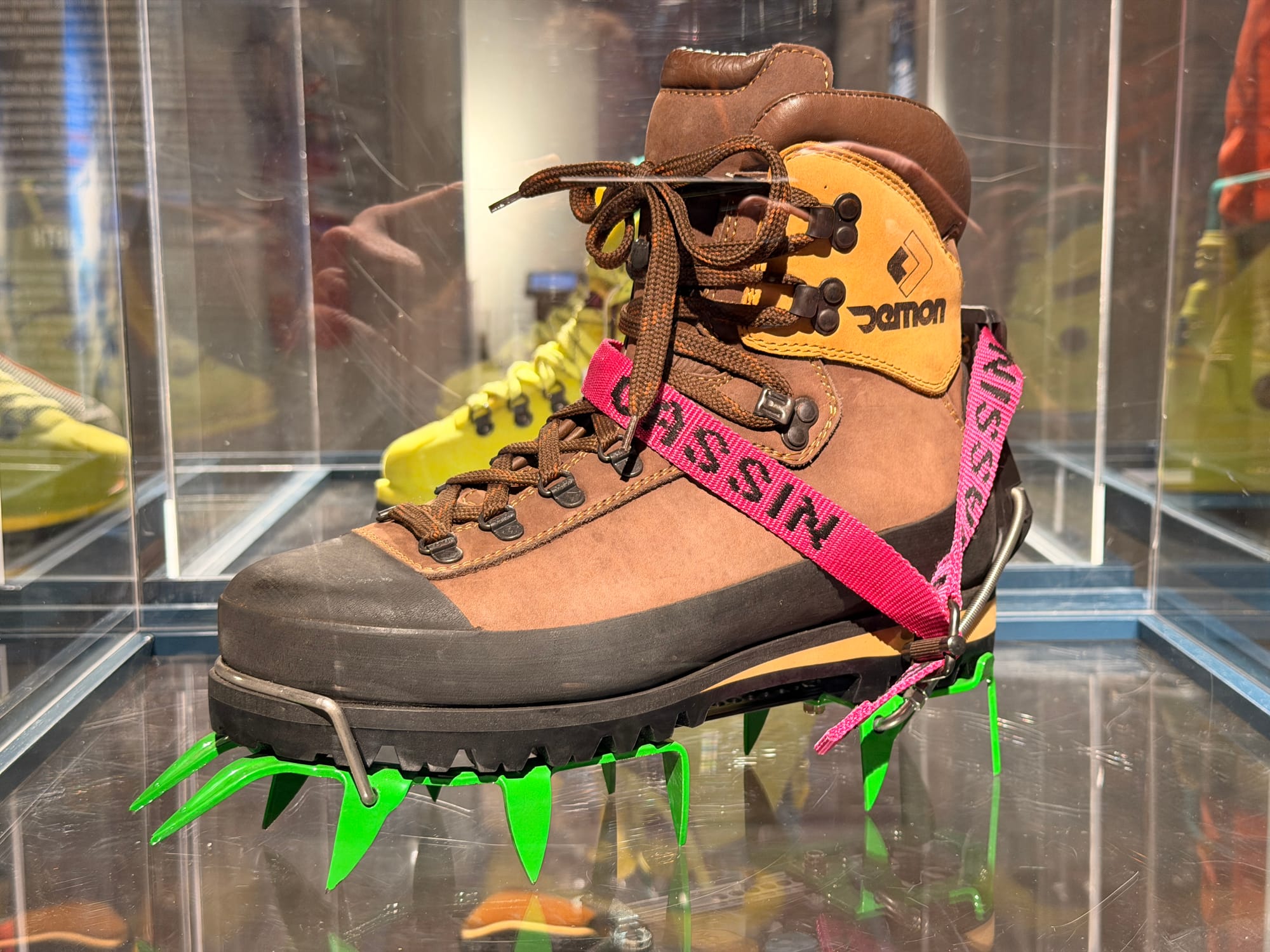
And so I found myself in the Museo della Fondazione Sportsystem. Housed in an historic hill-top villa, its walls chart over a century of footwear innovation, from hand-carved wooden lasts and 19th-century leather boots to early ski-boot shells, plastic moulds and the tooling that powered mass production.
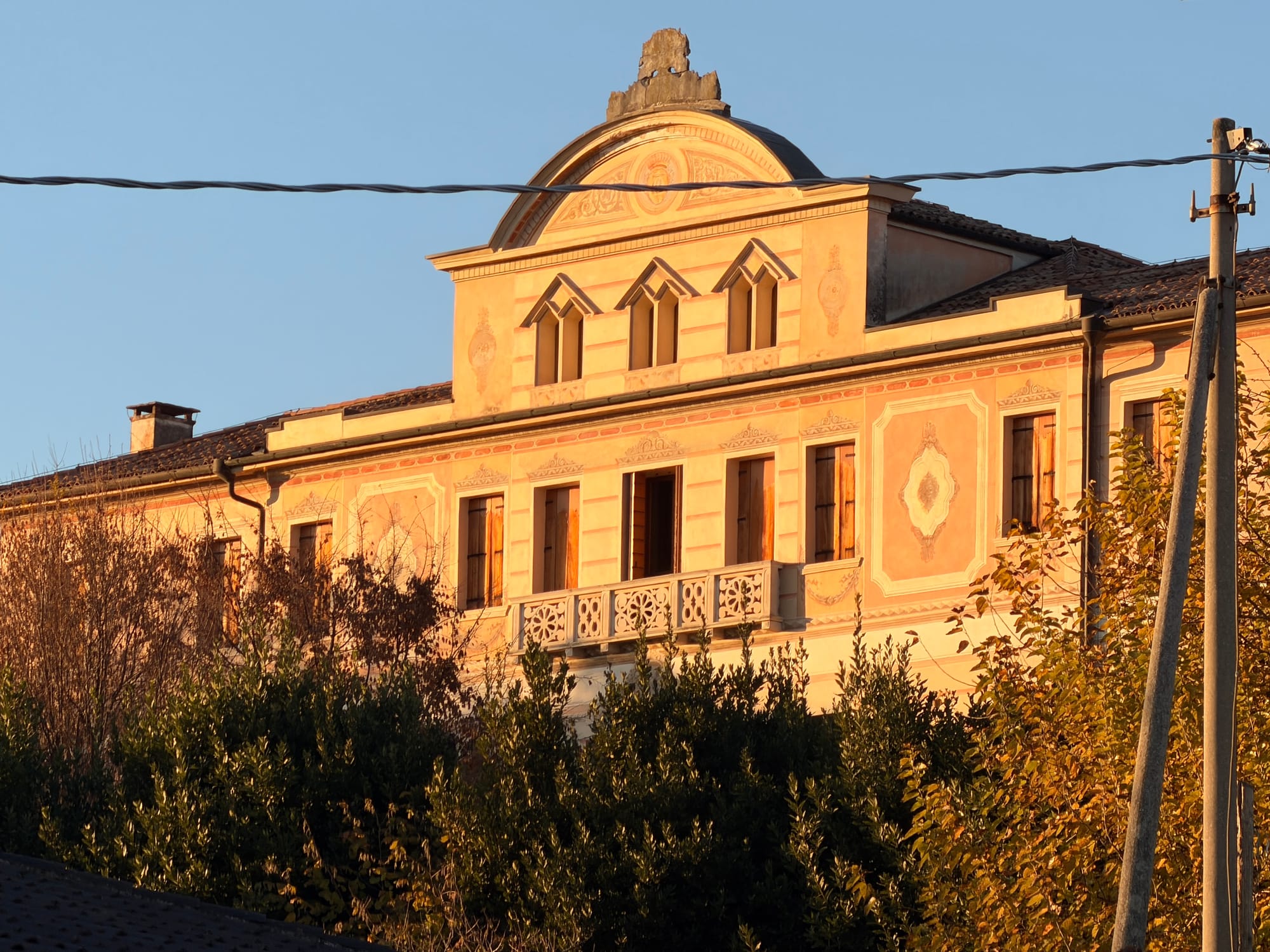
At first glance, it looked like a simple timeline. But the more I absorbed, the clearer a deeper pattern became. I wasn't just walking through history; I was walking through the blueprint of a complex, interconnected system.
Montebelluna did not become the global centre of performance footwear by chasing innovation for novelty’s sake; it innovated because it had to. The mountains demanded grip and insulation. The climate demanded durability. The community demanded tools that matched the terrain. Heavy leather boots existed because farmers needed protection. Reinforced uppers emerged because the Dolomites required endurance.
When mountaineering surged after the war, the district adapted. When skiing exploded, Montebelluna reinvented itself again, creating entirely new categories built on plastics, moulding, buckles and early biomechanics.
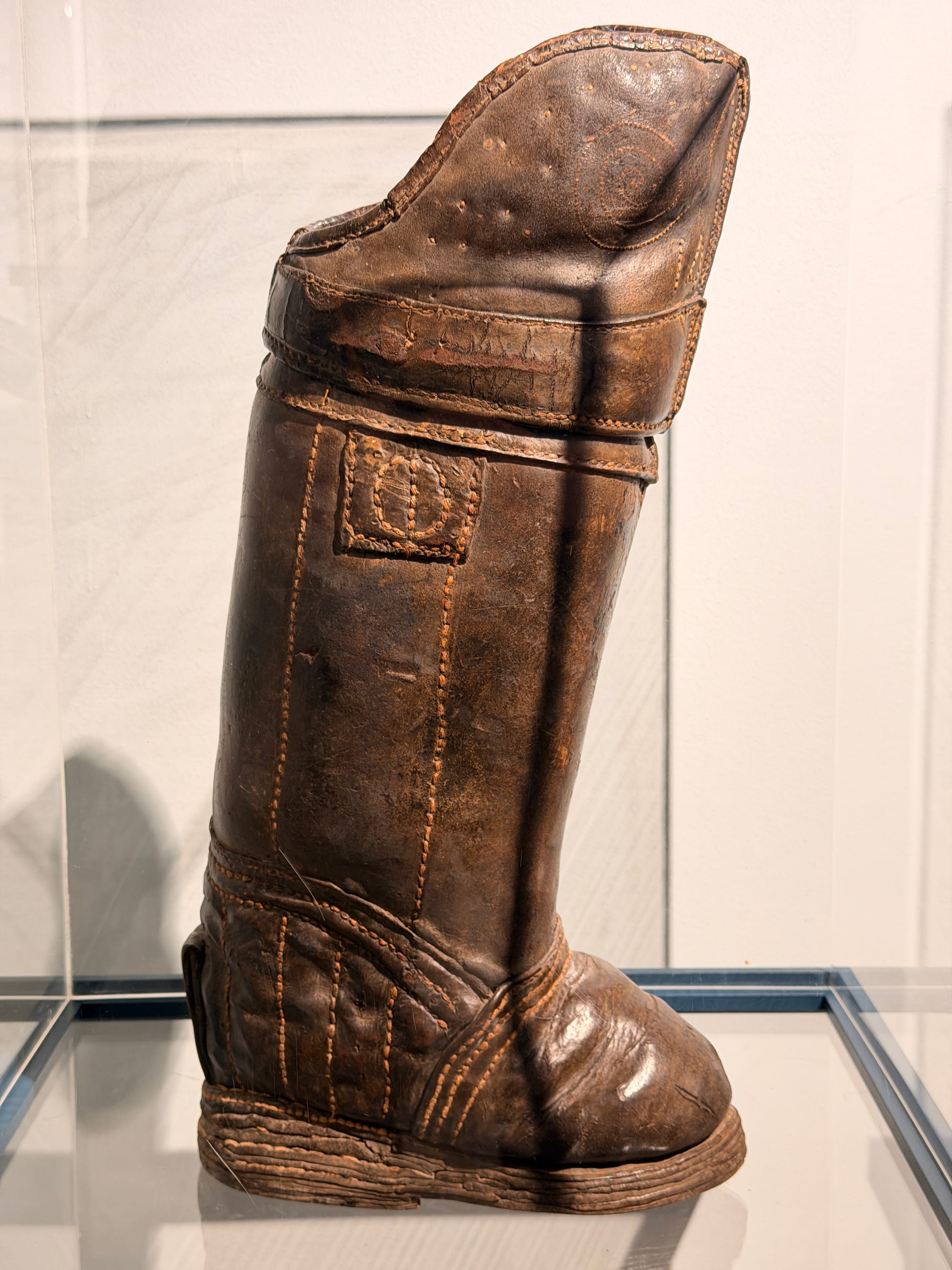
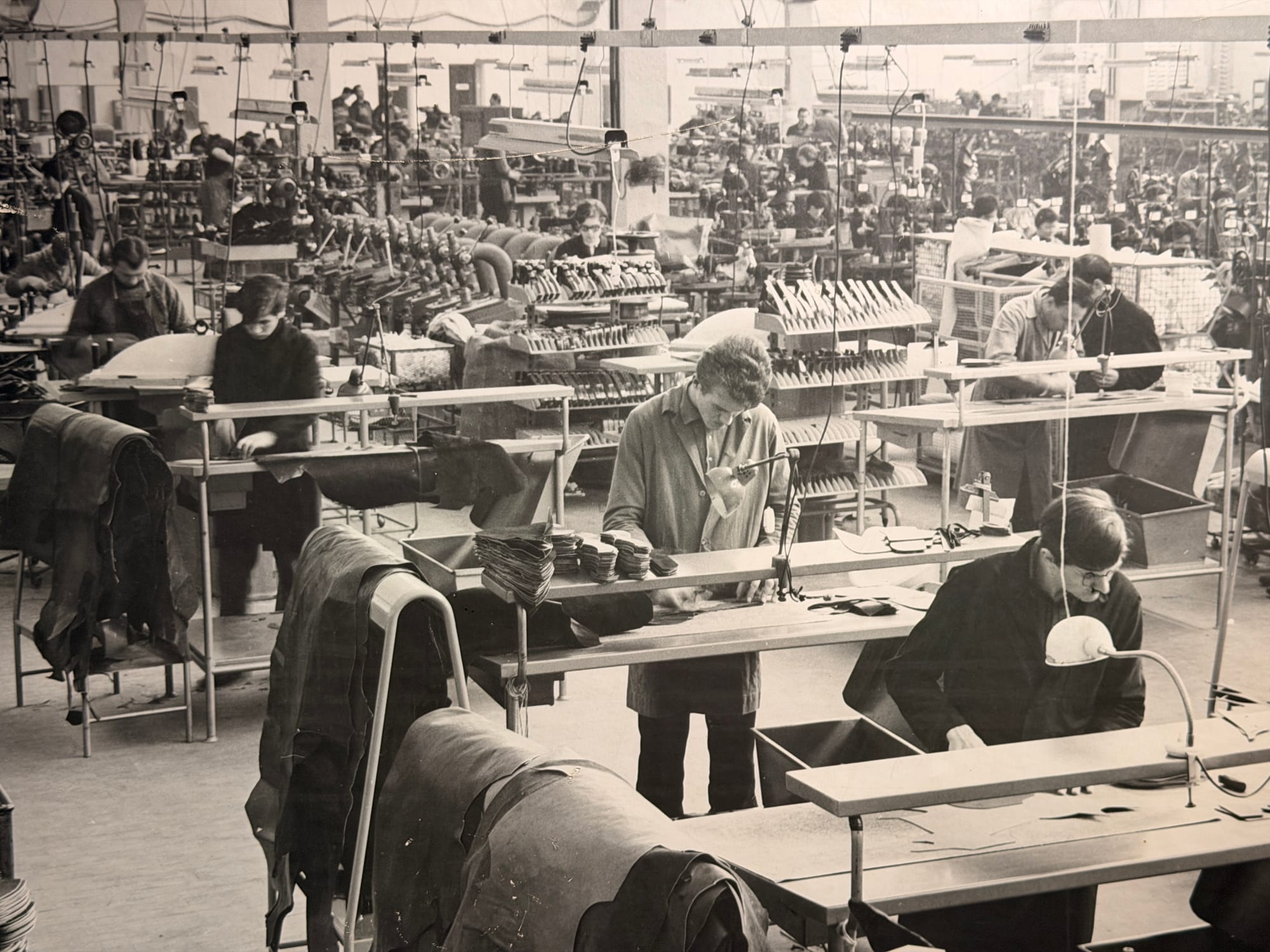
Every shift was a response to real needs rather than a trend. And it was never the work of one genius or one factory; Montebelluna evolved as an ecosystem. One village specialised in wooden lasts. Another in uppers. Another in buckles. Another in plastic injection. Testing labs and toolmakers sat alongside family workshops. Athletes lived nearby. Factories collaborated rather than competed.
Ideas travelled through the district in the most physical way: through hands, materials and shared experience.
Each artefact is a reminder that innovation here has always been practical, contextual and rooted in real-world demands. Purpose shaped performance. Performance shaped craft. Craft shaped culture.
And it is on the shoulders of this heritage that we now look to what comes next.
History at a glance:
- The museum’s timeline begins in 1808, the earliest recorded reference to a professional shoemaker in Montebelluna.
- By the late 20th century, over 70% of the world’s ski boots were designed or manufactured in the region.
- The district still counts over 200 companies operating in the sports footwear supply chain, from mould makers and buckle engineers to biomechanics labs and alpine testing centres.
Next Stop, the Future: FTW Day 2025
Design & Develop’s FTW Day felt like a modern continuation of Montebelluna’s old logic. Industry leaders, engineers, technologists, designers, and innovators didn’t gather to celebrate tools or trends. They gathered to interrogate complexity, expose bottlenecks, and explore what it actually takes to build better product in a world defined by constraint.
1. Innovation in Fabrication
Mastery of Parameters, Not Machines
The event began with this message: the factories of the future won’t win by buying faster machines, but by mastering the variables that shape the product.
Every manufacturing process has its own set of adjustable dials: temperature, time, pressure, material amount. Tiny shifts in these parameters can dramatically change comfort, durability, energy return, consistency, and even sustainability.
The real competitive advantage is no longer about choosing between fabrication methods, but about understanding what each adjustment actually achieves. And as the speakers emphasised, the future of fabrication is not speed; it is control. It is knowing what every second, every degree, and every gram truly does.
Technologies like supercritical foams, automated bonding lines, hybrid midsoles, and multi-density constructions weren’t presented as flashy innovations. Instead, they were framed as feedback systems; tools that let teams tune, refine, and validate micro-changes that create meaningful improvements in performance, cost, and environmental impact.
The industry wants simplicity, but the product asks for complexity. Our job is to make complex processes feel simple.
Henry Wu - King Steel Machinery
Practical takeaway: The future advantage is parameter literacy. The edge is shifting from “What machine do you have?” to “How deeply do you understand it?”
2. End-of-Life (EoL)
Simplicity as Strategy, Not Sacrifice
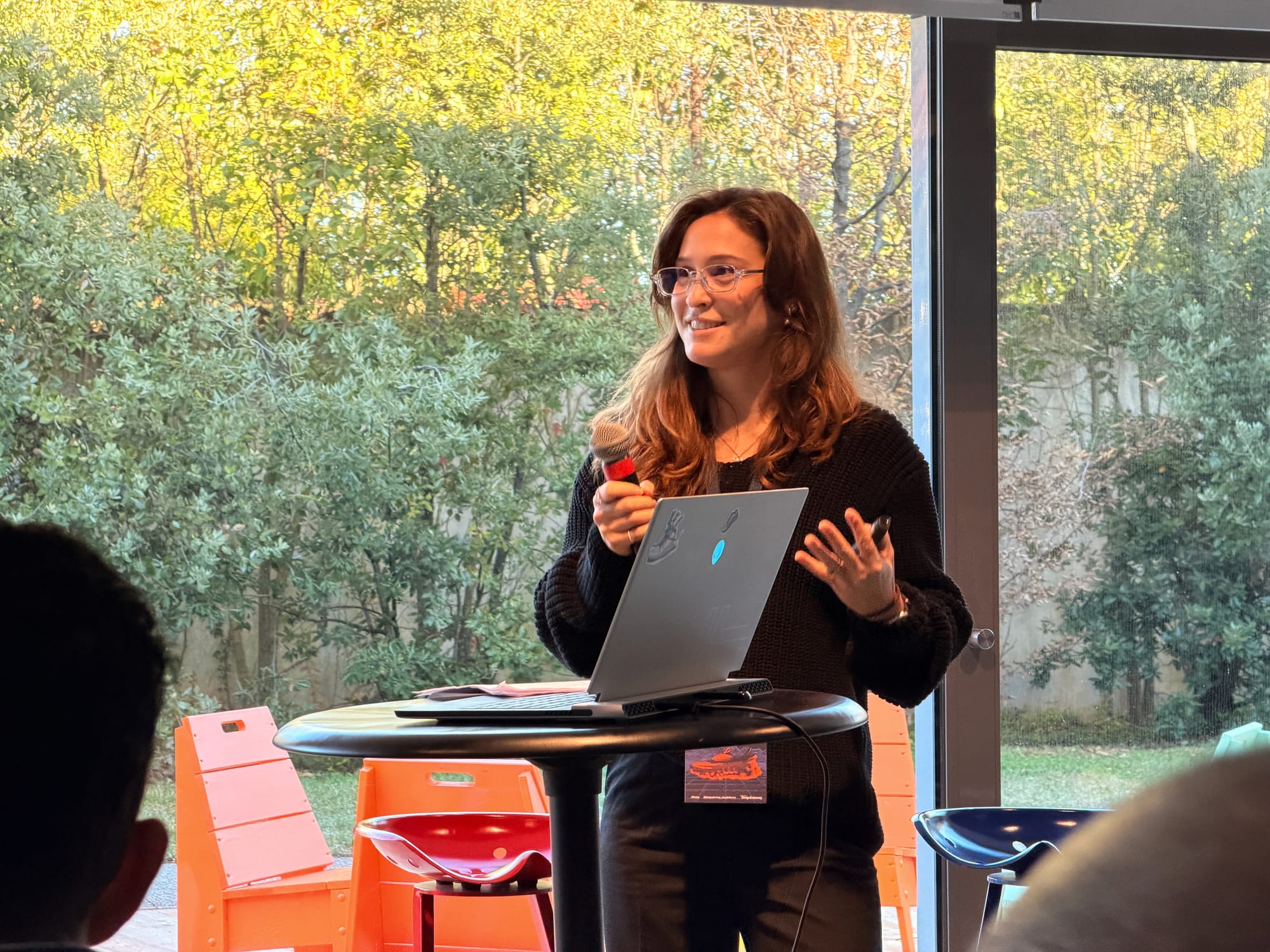
Montebelluna once thrived because footwear could be repaired, reused, rebuilt. Today the challenge is the opposite: we’ve engineered such material complexity that we’ve designed ourselves into a corner.
The issue isn’t just recyclability; it’s predictability. Chemical regulations, recyclability indicators, and processing technologies will change dramatically over the next 10–20 years. And so, designing a shoe today means designing for a future you cannot fully model.
Speakers repeatedly highlighted the same directional shift:
- fewer foams, plastics and chemistries
- simplified constructions
- single-material components where possible
- mechanically optimised instead of chemically optimised solutions
This isn’t a downgrade, rather a return to design discipline: build with intention, build with restraint, build with visibility into the product’s full lifespan.
If you want circularity, you start by removing complexity, not adding technology. End of life is a design problem. Not a recycling problem.
Paola Migliorini, Contarina Academy
Practical takeaway: EoL innovation isn’t just about recycling systems. Circularity is a design problem first, not a waste-management problem later. Make only what the environment and function demand.
3. Digital Transformation
Adoption Is Not Fluency
When attendees were asked who actively uses 3D tools in their day-to-day workflow, only a handful of hands went up. This was one of the most telling moments of the entire day.
Footwear's history is built on tacit knowledge - the kind gained from touching materials, testing prototypes, and working shoulder to shoulder with technicians. The real question digital tools must answer is not “How fast can we create?” but “What knowledge are we trying to augment?”
And speakers repeatedly came back to the same point: digital tools only create value when teams understand:
- when to use them
- why to use them
- what decisions they accelerate
- how they improve communication and feasibility
Digital success is not about having software but about digital fluency; the ability for teams to integrate tools into decision-making, prototyping, and cross-functional alignment.
Computational methods were also highlighted in how they are beginning to shift the design process itself. Not as a replacement for expertise, but as a way to reveal options and behaviours humans cannot see on their own. Computational workflows make it possible to generate, test, and stress-check hundreds of variations, then use human judgment - the designer’s intuition - to select what truly matters.
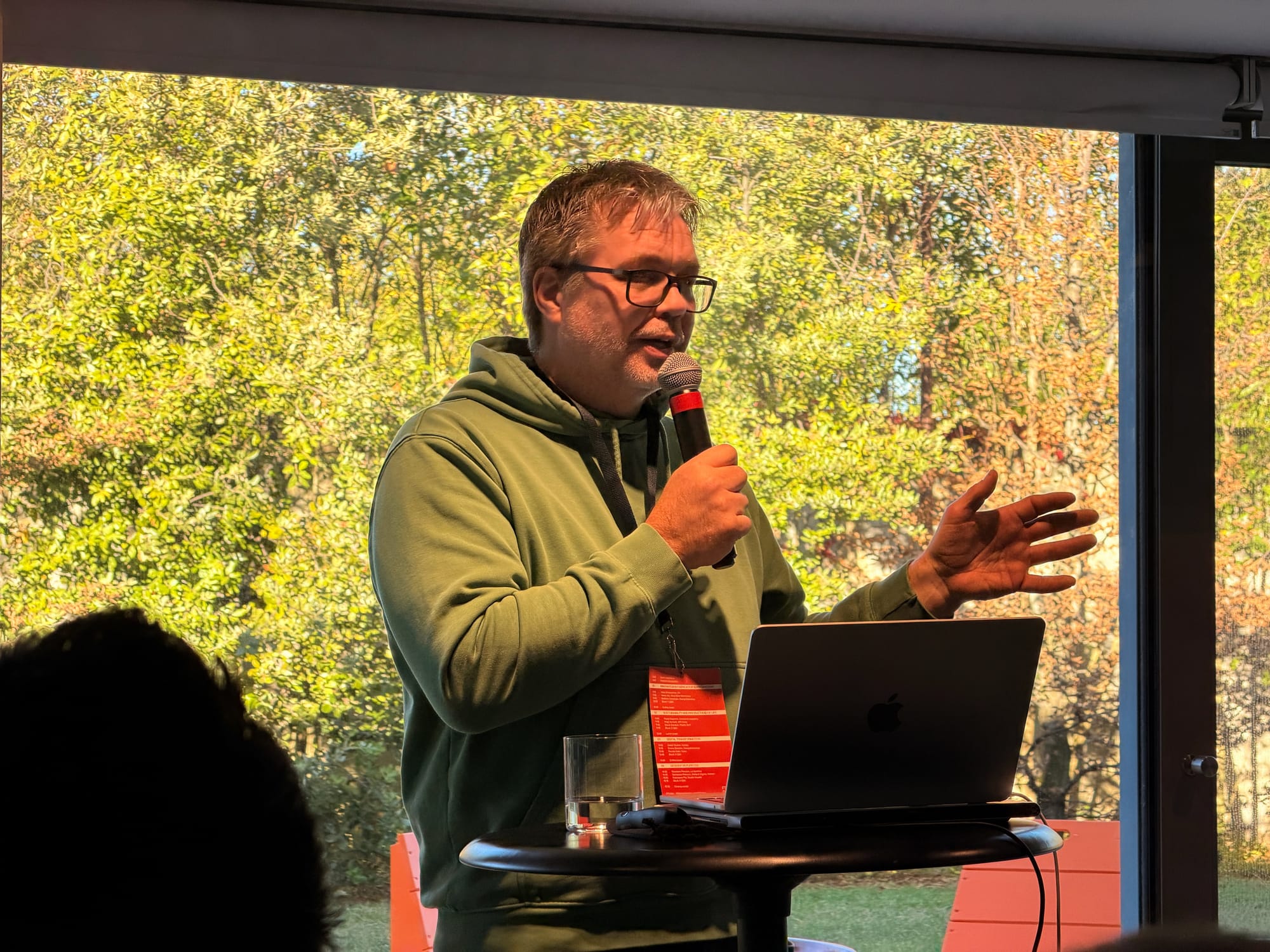
Digital tools should not replace intuition. They should codify it, scale it and connect it to earlier technical validation.
Most teams have software. Very few have digital culture.
Detlef Mueller, Adidas
Practical takeaway:
Brands need to start building digital fluency, because digital transformation is cultural, not technical.
The goal is not for designers to become software operators.
The goal is for designers to gain leverage.
4. Design for Purpose
Performance Is Contextual, Not Universal
If the museum shows how purpose shaped early footwear, FTW's closing block showed how that philosophy is returning with force. Speakers reinforced a shared belief: footwear cannot be designed for an “average user.”
Performance is situational:
- diverse fits
- diverse movement patterns
- diverse environments
- diverse biomechanics
- diverse expectations of comfort and protection
In other words, we shouldn't be designing for trends only; we should be designing for the environments feet must survive in.
From diversity-driven fit methods to biomechanical testing platforms to co-design with athletes, it all came down to this: better product comes from studying the use case, not the category.
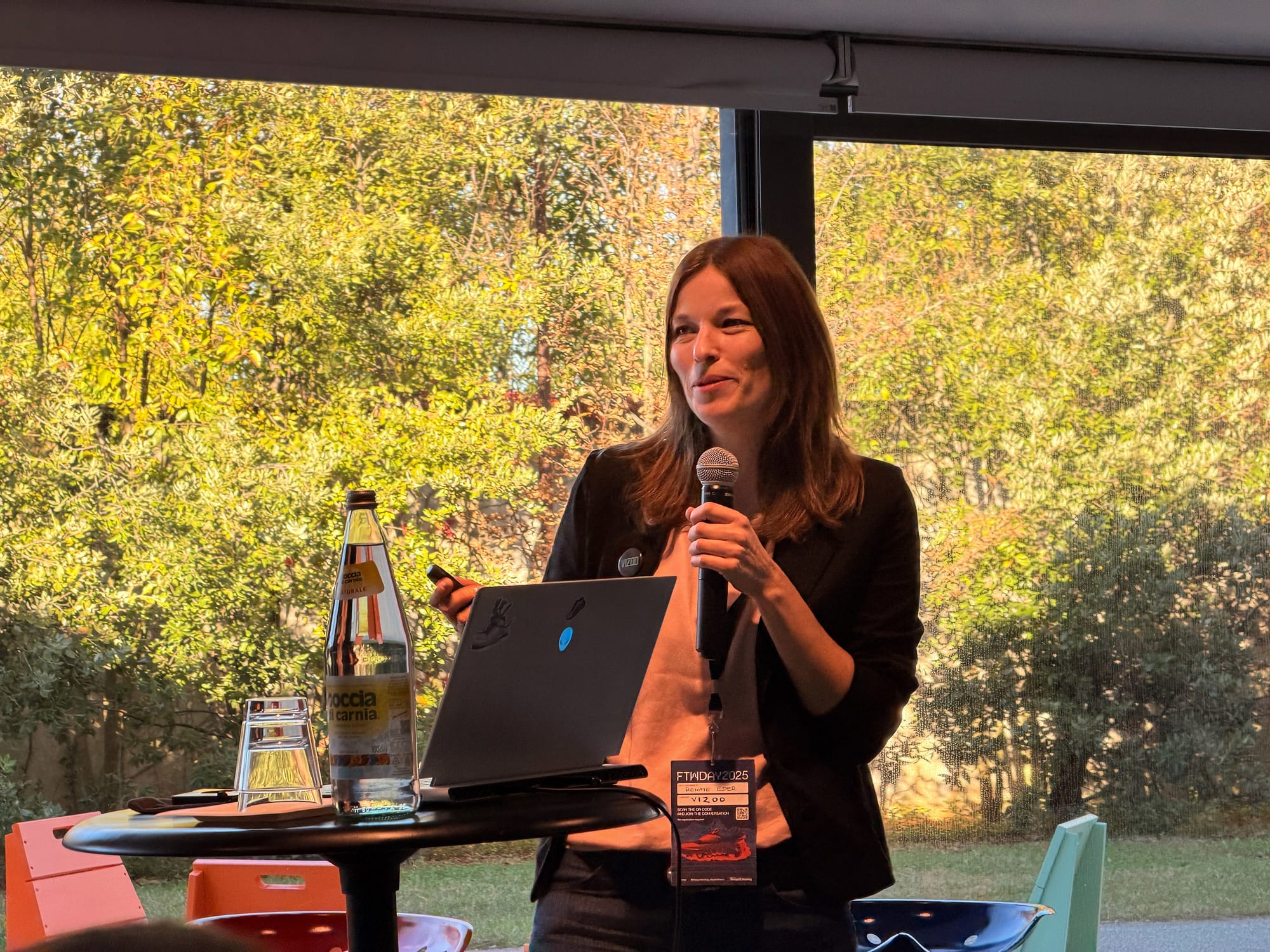
Every foot is different. Every movement pattern is different. The product has to reflect that.
Stefano Vignini, Vibram
Practical takeaway: The future belongs to teams that design from the ground up, anchored in movement, biomechanics, and environment-specific behaviour, rather than trend cycles or assumptions about “the consumer.”
Why This Matters for Europe and for the Industry’s Future
Together, the museum and FTW Day align: Europe does not lack innovation. It lacks alignment.
Montebelluna thrived because everything was close: disciplines, people, decisions. The future of footwear requires that same ecosystem logic and integration - and that is the foundation Europe must rebuild if it wants to lead the next decade.
There is no single direction for the future of footwear. Every brand has different realities. What matters is giving teams the clarity to make better choices, whatever their path.
Alberto Franco, Design & Develop
A Personal Note
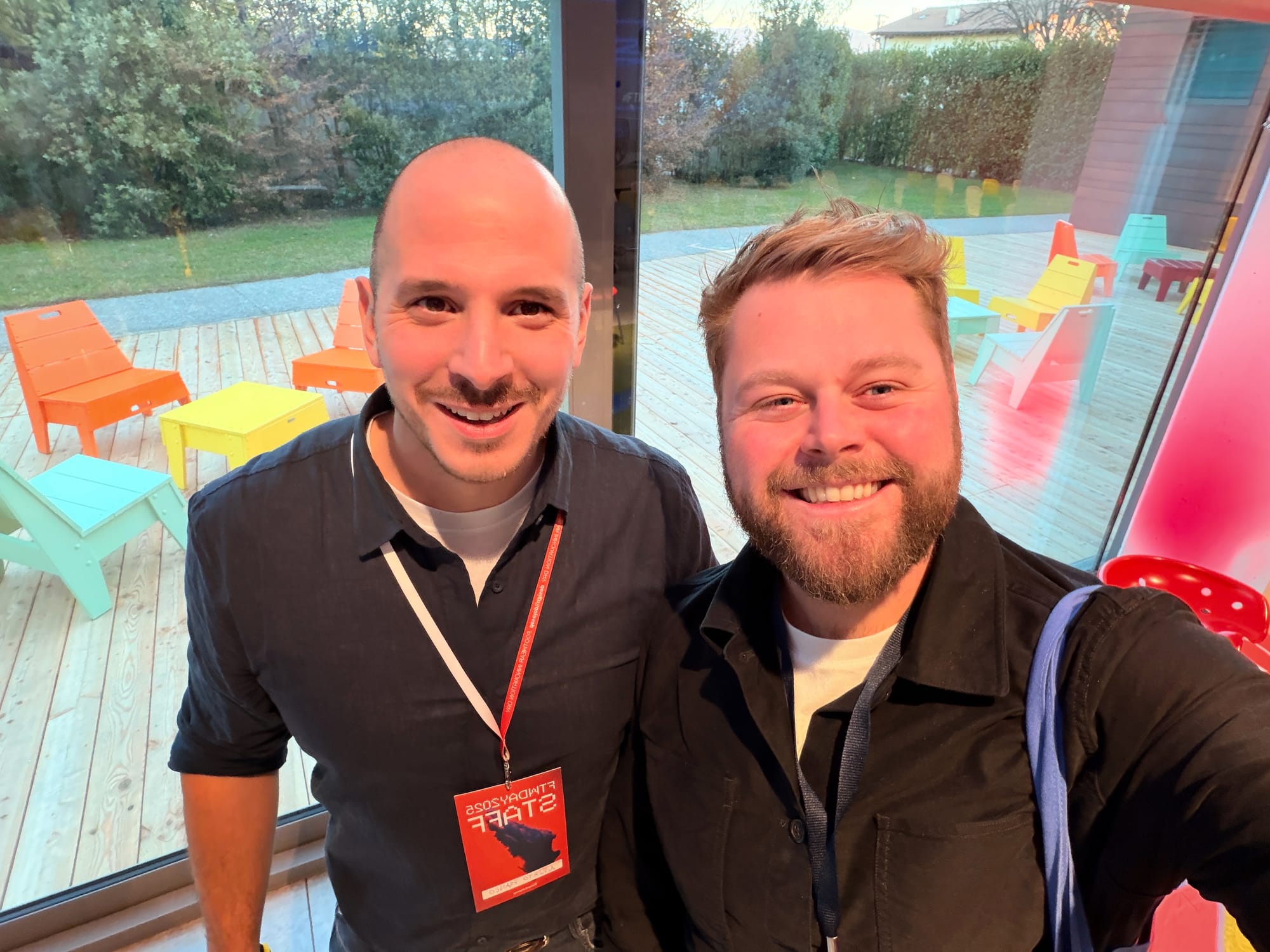
A huge thank you to Alberto Franco and the entire Design & Develop team for hosting me and for curating an event that captures Montebelluna’s past, present, and future with such integrity. It’s rare to see an ecosystem that still believes in the power of making - and even rarer to see it in action.
When you see all these different perspectives in one room, you realise the future is not just about innovation. It is about alignment.
Alberto Franco, Design & Develop
I’m already looking forward to reconnecting with everyone at Stride USA 2026 as we continue these conversations on a global stage. And worry not, details about Stride Europe 2026 will be coming to you soon!
Design & Develop is a family-run studio built around people, ideas and fast execution. Whether delivering a concept in days or supporting long-term projects, they focus on bringing better products, processes and tools to market. Since 2015, the studio has expanded beyond footwear design and development to include dedicated software services.
Find out more: https://designdevelop.com/


