


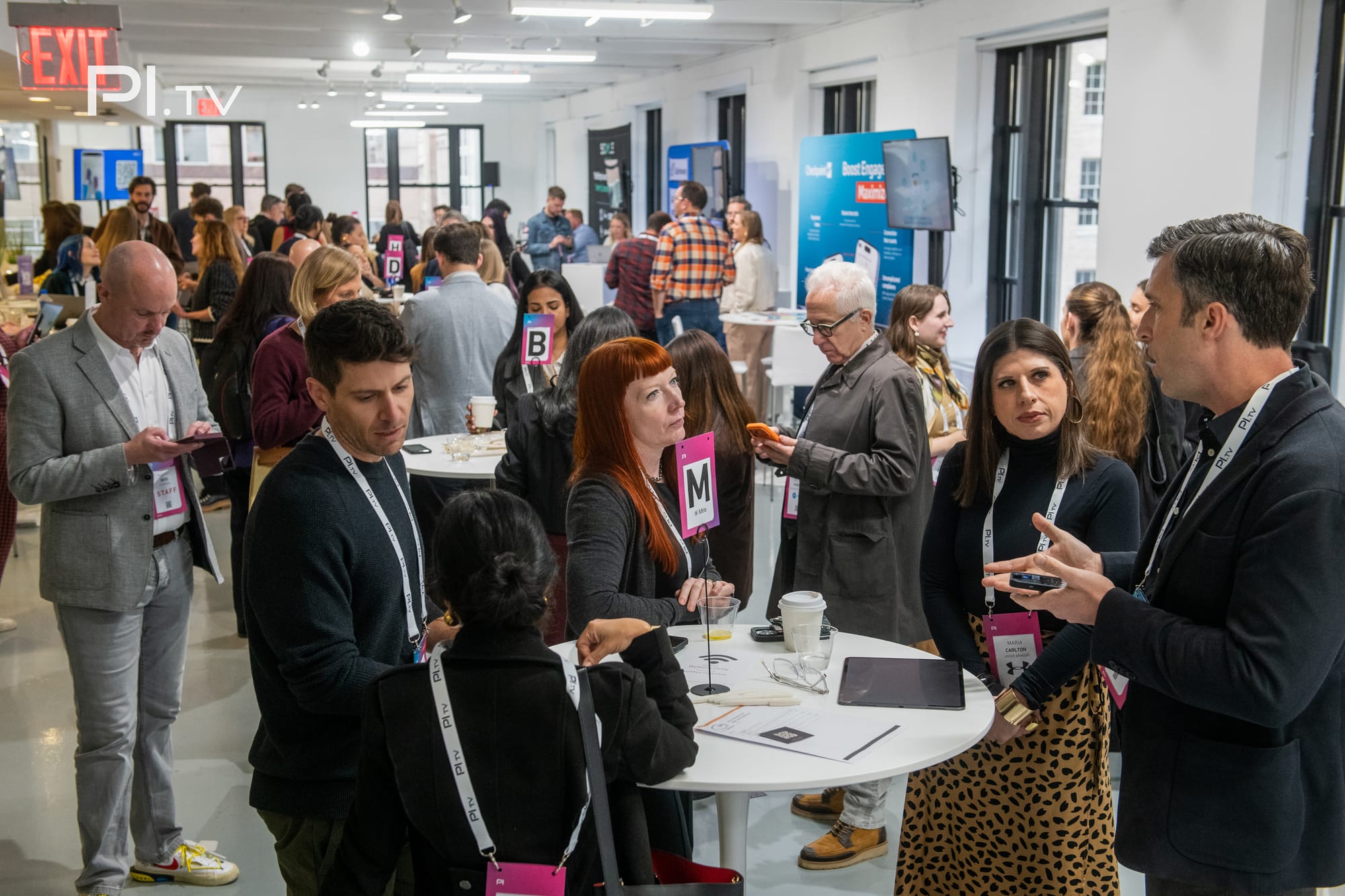
The retail landscape is already crowded with conferences and expos, most of them sprawling trade shows that are great if you’re shopping for a tool, but not if you’re looking for conversation. Retail Rebels was built to change that: a curated, intimate, and interactive gathering where the brightest retail minds could drop the sales pitches and speak with candour about what’s really happening across their world.
Every element was intentional. The roundtables and deep dives were designed as safe spaces for honesty rather than performances for applause. The main-stage panels and fireside chats provided the connective tissue, where ideas converged, perspectives clashed, and challenges were reframed through shared experience.
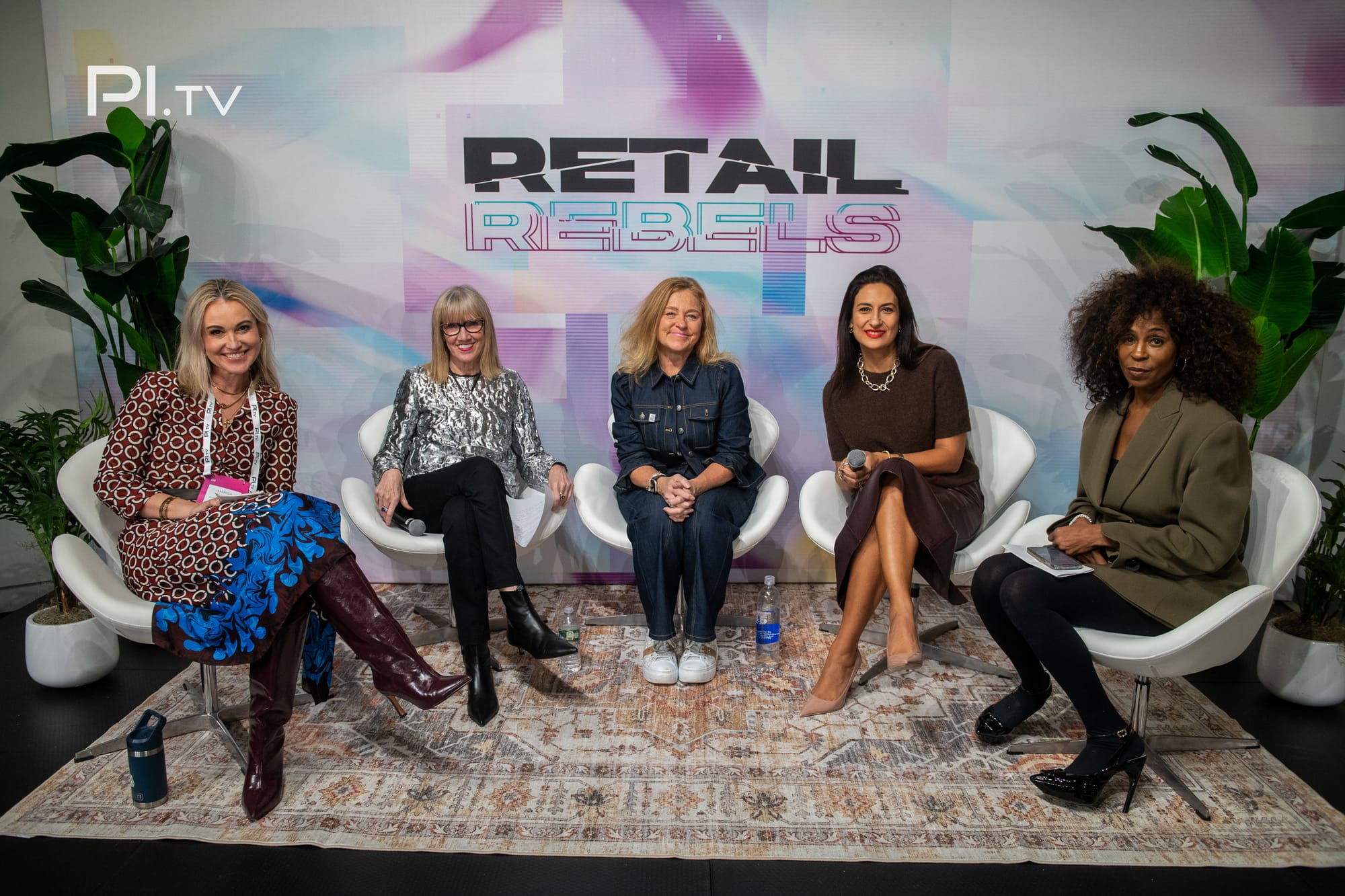
Over two days of dialogue, leaders from fashion, beauty, lifestyle, and technology came together not to celebrate innovation, but to interrogate it. Voices spanned luxury and logistics, beauty and auto parts, heritage and high tech; proof that the most valuable ideas often come from the edges of retail, not its centre.
Beneath the buzzwords of AI, omnichannel, and automation, a deeper truth emerged: retail doesn’t have a technology problem...it has a humanity problem. And the future of retail won’t be built on more channels or campaigns, but on sincerity and connection.
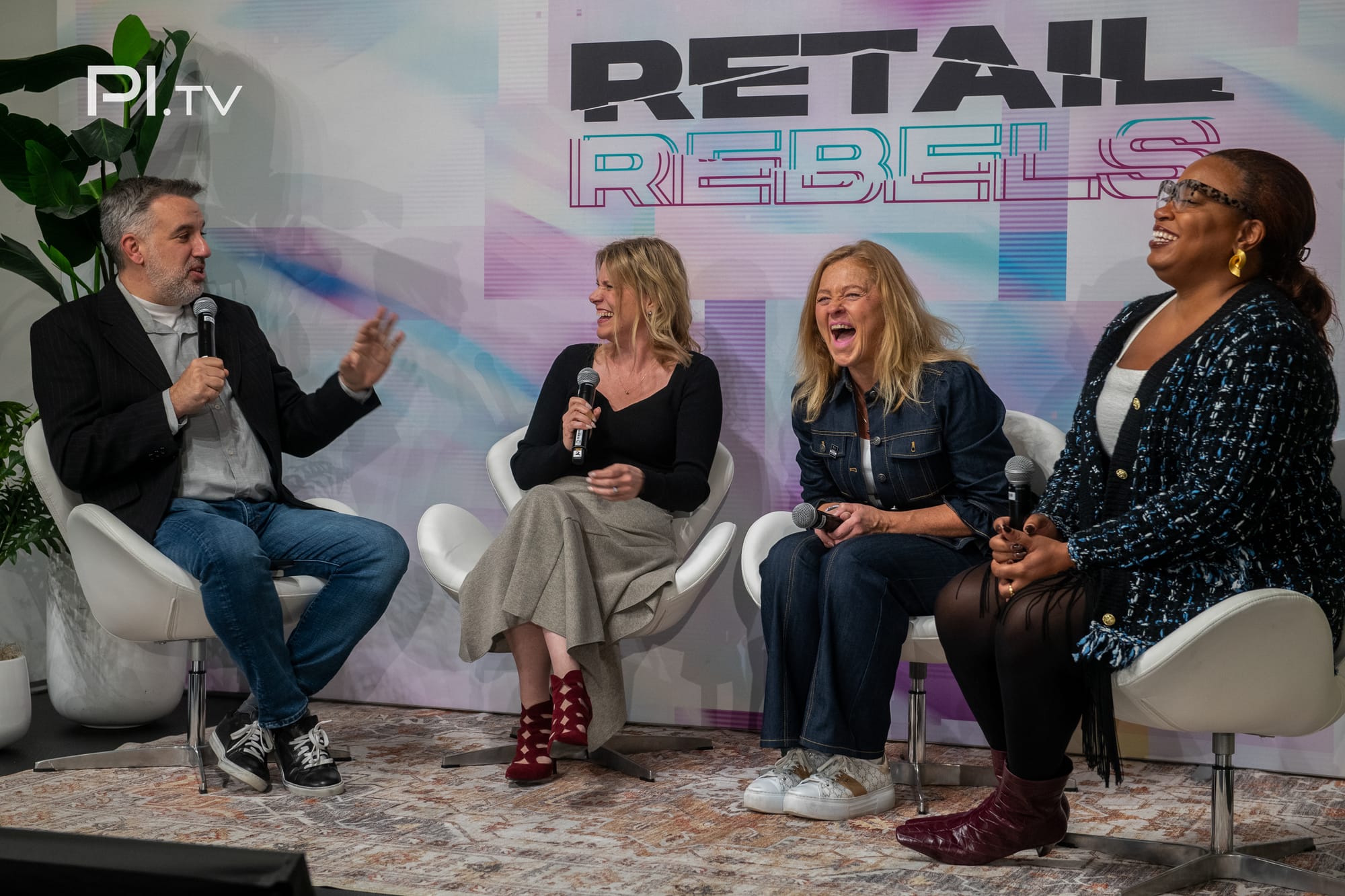
Remembered vs. Seen.
Vital vs. Visible.
In an era where every brand can shout, being seen no longer guarantees being remembered. “There’s a fine line between relevance and noise,” reflected Kristen Elliot (Filson). “Most brands don’t know when they’ve crossed it.”
That line captured a collective fatigue running through the conversations, a sense that the race for visibility has left brands louder, but emptier. Retailers spoke about the burnout this creates, both for consumers and for their own teams, caught in an endless cycle of trends, drops, and algorithmic sameness. What matters now is not visibility, but vitality: the capacity to create meaning that lasts.
“The hardest thing we do is saying no — staying true to who you are while chasing relevance,” said Kiera Ganann (Delta Galil). In a culture that rewards constant reinvention, restraint has become its own creative act. Marie Driscoll (Parsons) put it more bluntly: “You can’t inspire customers if your teams are burned out by the chase.”
Across the event, that message came through clearly: authenticity has evolved from a marketing word into a management principle. It’s no longer about tone, but about integrity; ensuring that product, store, staff, and storytelling all align behind the same emotional truth.
Because misalignment inside a company is now the fastest route to disconnection outside it. And if authenticity begins within, belonging is where it shows up; in the stories brands share and the communities that choose to stay.
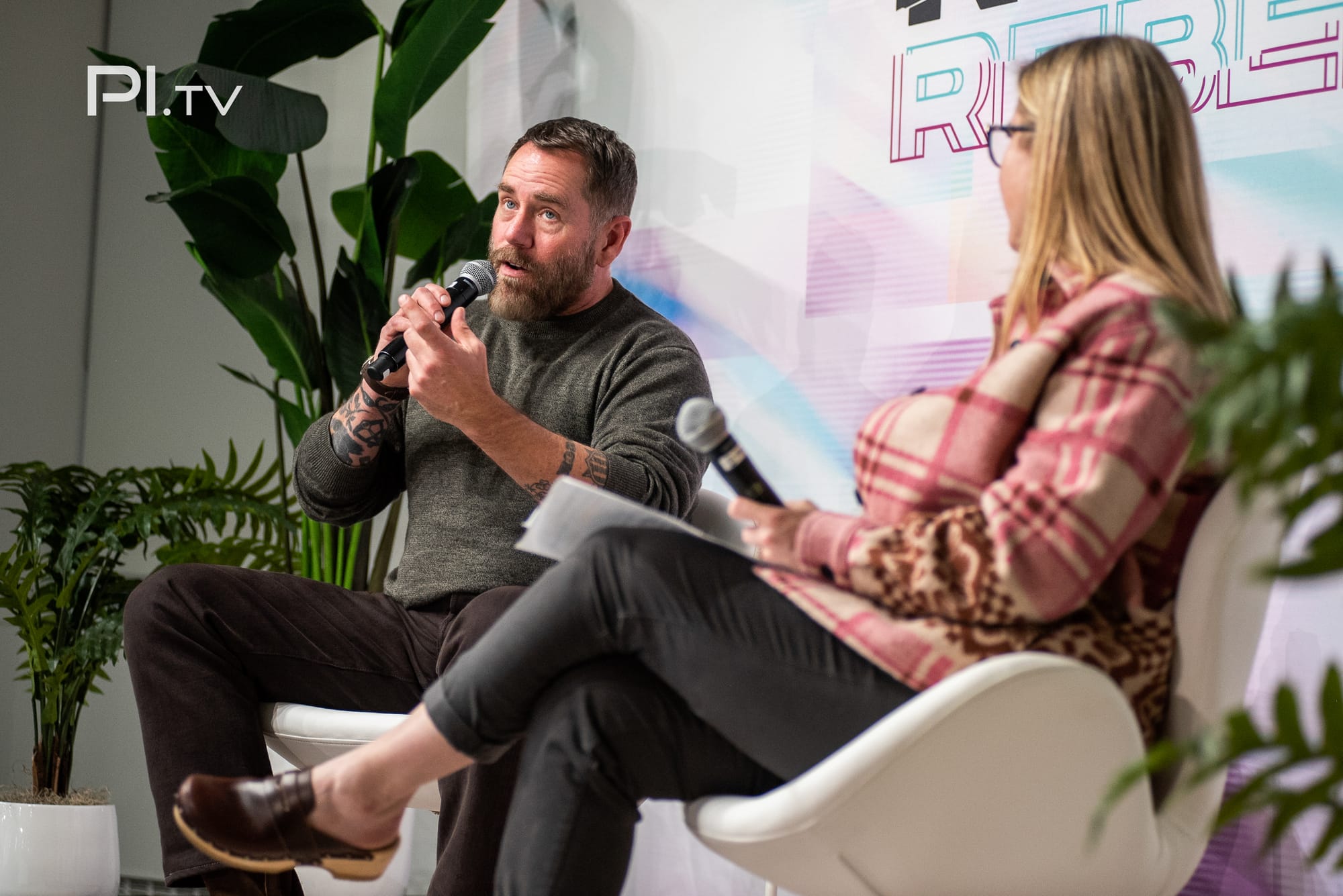
Farewell, Loyalty.
Hello, Belonging.
Loyalty isn’t what it used to be, but maybe that’s a good thing. Today’s consumers don’t pledge allegiance to brands; they participate in communities that reflect their values. “Community doesn’t happen around products,” Marisa Byrne (KNS) added. “It happens around participation.”
Here, loyalty programmes were reframed as repair strategies: tools for reconnecting when the emotional connection has already been lost. True loyalty begins long before checkout, in how a brand listens, behaves, and involves its audience. As Sarah Angelmar (Clarins) noted, “Belonging happens when people feel cared for, not just targeted.” One roundtable host captured it succinctly: “You can’t gamify belonging.” It lives in rituals, transparency, and shared storytelling.
That shift isn’t just cultural; it’s structural. Many attendees spoke about building fusion teams that unite marketing, planning, and operations around a single experience promise. Paola Bianchi (NAPA Auto Parts) was blunt: “Loyalty is a full-company job. The customer doesn’t see departments, they see experiences.” When data and creativity coexist, when those who plan the assortment talk daily with those who tell the story, trust deepens — both inside the organisation and out.
If belonging is what customers crave, then technology’s next challenge is to make that belonging scalable without making it feel synthetic.
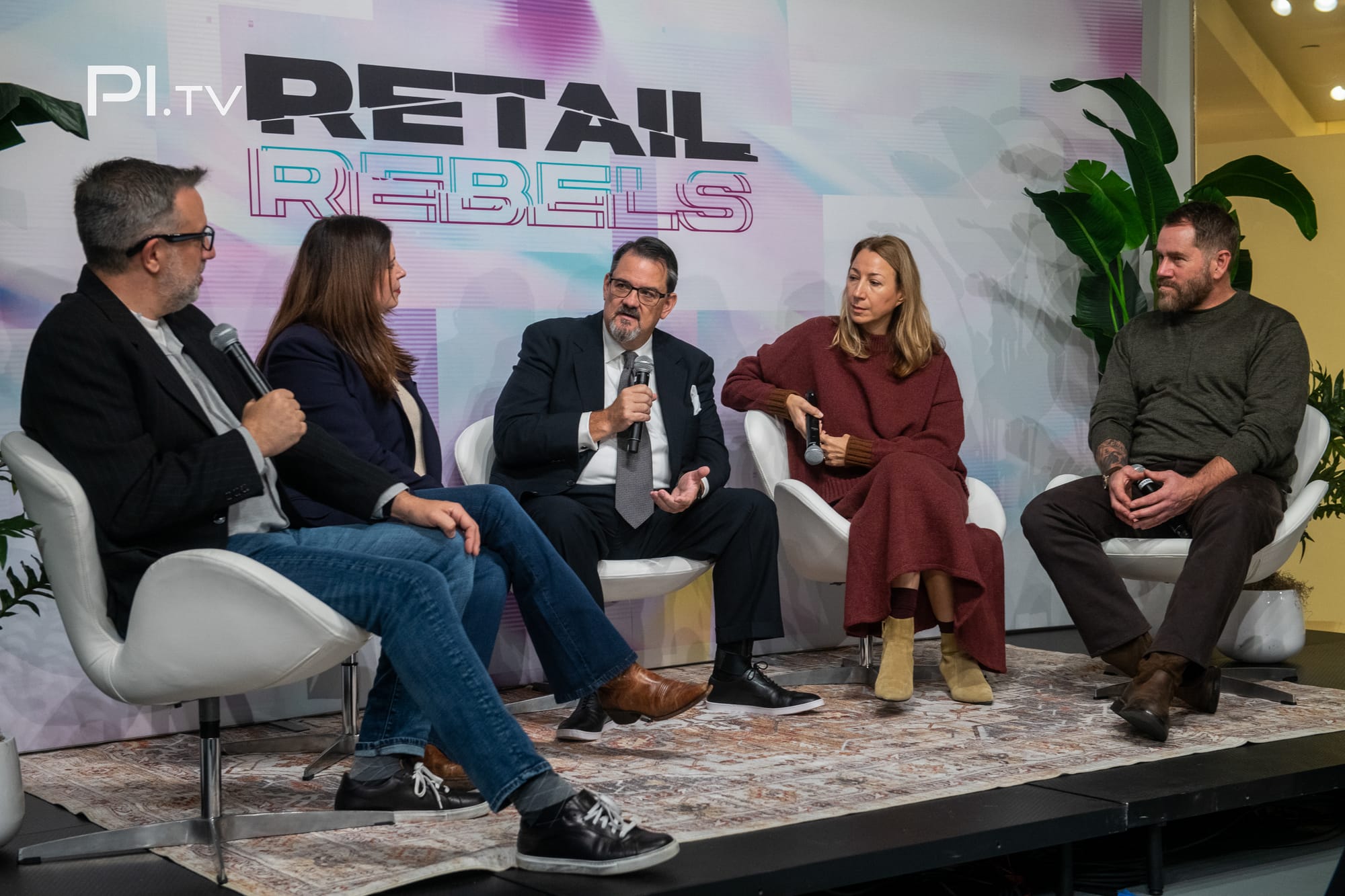
Less Automation.
More Amplification.
AI may be the most overused acronym in retail, but at Retail Rebels it was talked about with rare honesty. The industry’s fixation on automation has delivered efficiency, yes, but also sameness. Dominick Miserandino (RTM Nexus) posed, “If every brand uses the same algorithm to personalise, don’t all experiences start to feel the same?”
The emerging answer? Technology must become less about automation and more about amplification. It should extend creativity, not replace it. Alex Carleton (Filson) described adopting AI as “an act of internal alignment. A way to let teams express more, create more, and produce more, without losing the human heartbeat.”
That sentiment pulsed through the event. From Caimera.ai creating culturally adaptive visuals to Couture Technologies solving digital fit with empathy, the most compelling uses of AI aren’t just saving money; they're scaling meaning.
Richard Honiball (CMO & EVP) put it plainly: “If the question starts with AI, you’ve already lost the plot. The question should start with your customer.” Barry McGeough (AmeriCo. Group) took that further in his closing keynote, describing retail’s next chapter as “conversational, connected, and contextual.” The future of commerce, he warned, “isn’t about connecting everything; it’s about connecting meaningfully.” His challenge to the room was simple: pair new tools with new mindsets of trust.
It wasn't all cautionary, though. Across the startup showcases, a quiet optimism ran through; proof that creativity and conscience can not only coexist, but thrive in the same business model.
Once technology becomes invisible, experience takes over, shaping how innovation actually feels.
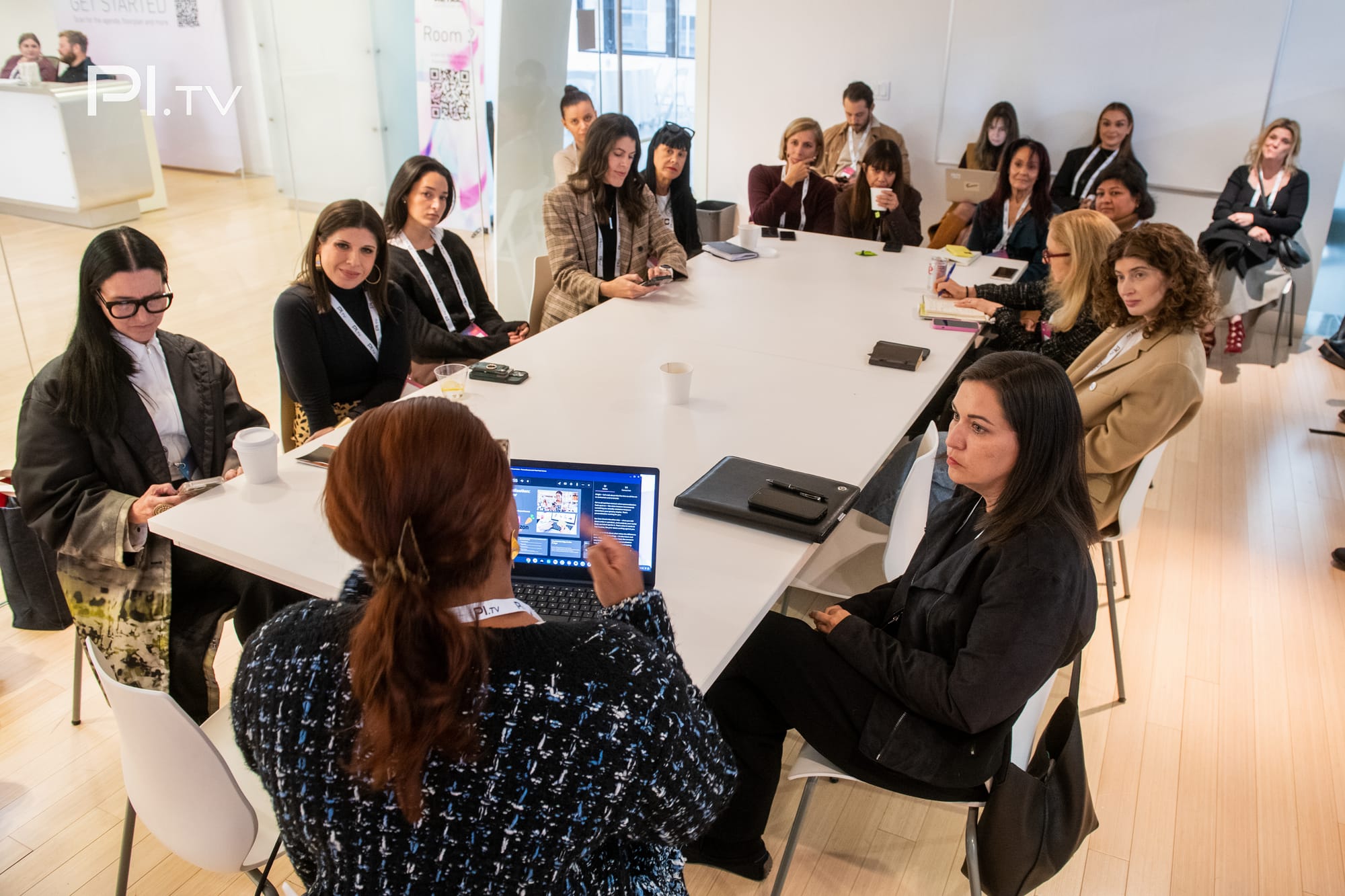
Beyond Experience.
Toward Emotion.
Experience design is no longer a creative discipline; it’s a strategic one. As physical and digital environments blend, every interaction must reinforce a single emotional narrative. The goal is not just omnichannel consistency, but omnichannel coherence.
“Technology should never get in the way of connection,” said Jessica Couch. “It should make connection feel inevitable.” It was a reminder that innovation succeeds only when it simplifies the path between people and purpose.
Eric Cruz went on to urge the industry to “design for wonder, not just convenience.” The best experiences, he argued, move beyond passive transactions into participatory worlds; spaces that customers don’t just visit, but inhabit.
Dominick Miserandino also captured it well: “Great service isn’t just problem-solving; it’s performance art — every touchpoint tells the audience whether your brand keeps its promises.”
From theatrical retail to museum-shop storytelling, speakers described a growing desire to bring texture back to retail. In a world optimised for speed, slowness and surprise are becoming luxuries. Ultimately, a great experience doesn’t just convert; it connects.
But experiences don’t build themselves. Behind every moment of connection is a culture that chooses to care.
Broken Inside.
Rebuilt with Care.
For all the talk of customer experience, the most uncomfortable truth was internal: too many retail organisations are misaligned, exhausted, or creatively disconnected. As one participant put it bluntly, “If you're broken inside, then you're broken outside.”
Technology rollouts rarely fail because the tools are wrong; they fail because the people using them aren’t empowered. Paula Angelucci (WH Smith) reminded the room, “Transformation is proven on the shop floor, not in the boardroom.”
The next era of retail leadership will hinge as much on emotional intelligence as digital intelligence. The brands that thrive won’t be those with the best tech stacks, but those with the strongest cultures; places where collaboration replaces silos, experimentation replaces fear, and people are trusted to care again.
Because the future of retail won’t just be re-built through systems. It will be re-built through people.
Forget Indifference.
Embrace Rebellion.
The true rebellion, as it turned out, isn’t against tradition...it’s against indifference.
Retail’s next revolution won’t be driven by technology alone, but by the courage to use it responsibly: by brands that choose depth over data, conversation over conversion, and empathy over automation.
The industry’s greatest innovation isn’t artificial intelligence — it’s authentic intelligence: the kind that listens, adapts, and dares to make customers feel something real.
Because the future of retail isn’t frictionless.
It’s feelingful...and that’s exactly where the rebellion begins.
Retail Rebels returns in 2026. Register your interest and help shape the 2026 agenda here.


