


For several years, digital transformation in footwear was framed as a question of adoption. Invest in the right tools, digitise key workflows, bring teams up to speed. The path felt clear, even if progress was uneven.
At Stride USA 2026, it was apparent that framing no longer holds.
Across brands, digital product creation is no longer theoretical. 3D pipelines exist and are beginning to act as the connective layer between design, development and manufacturing. AI is embedded across concepting and storytelling. Digital assets are being created, shared and, in some cases, reused with intent.
But the most striking thing at Stride wasn't how much has been built. It was how much is now straining under its own weight.
We’re still following old school ways of thinking and working, even though we’re doing something completely new…
— Sean Lane, Vans
New technologies have been introduced into systems that were never designed to accommodate them. The result is a pipeline that is technically advanced but operationally fragmented; capable in parts, inconsistent as a whole.
This is the messy middle. And most of the industry is now living in it.
The Bottleneck Moved, It Didn't Disappear
The front end of the creative process has been genuinely transformed. Teams can now generate and visualise concepts at a speed that fundamentally changes how design work begins. Early-stage iteration is no longer the bottleneck it once was.
But as ideas move downstream, the friction returns, and it returns in a different, more stubborn form.
Conversations around tooling, texturing and machining revealed how difficult it remains to carry digital intent through to production without distortion.
What you design digitally doesn’t always translate directly into what can be machined…there are still adjustments needed when it hits production — Alberto Franco, Design & Develop
What appears resolved on screen often requires manual intervention at the factory. Adjustments accumulate, compromises compound, and the original intent is gradually diluted. As Jake Rudin (ex-adidas) reflected, while end-to-end pipelines are often discussed in abstract terms, the industry is beginning to build more tangible bridges between stages, but they remain incomplete.
The bottleneck hasn't been solved. It's shifted from ideation into translation. And translation, it turns out, is harder.
Fast Tools, Slow Organisations
Digital tools have given teams the ability to generate concepts, content and variations at unprecedented speed. But the organisations responsible for developing and delivering those products have not evolved at the same rate.
This isn't just inefficiency, but structural lag. Trends are accelerating, but many brands are still operating on development calendars designed for a different era. The tools say go faster. The system says wait.
And yet this pressure is forcing real change. Several contributors spoke about rethinking seasonal calendars, exploring modular product strategies, and questioning whether traditional timelines are still fit for purpose. The tension isn't paralysing the industry; it's beginning to reshape it.
And then there are the pressures that arrive from outside the system entirely. Tariff instability has forced brands into reactive supply chain decisions, pivoting production to new countries, restructuring sourcing relationships, only to find those decisions rendered redundant within weeks as trade policy shifted again. It is a vivid illustration of how exposed operationally fragmented organisations become when the external environment moves faster than their internal structures can absorb.
The question is whether organisations are actively driving that shift, or simply being pushed into it.
AI Doesn't Remove Friction. It Moves It.
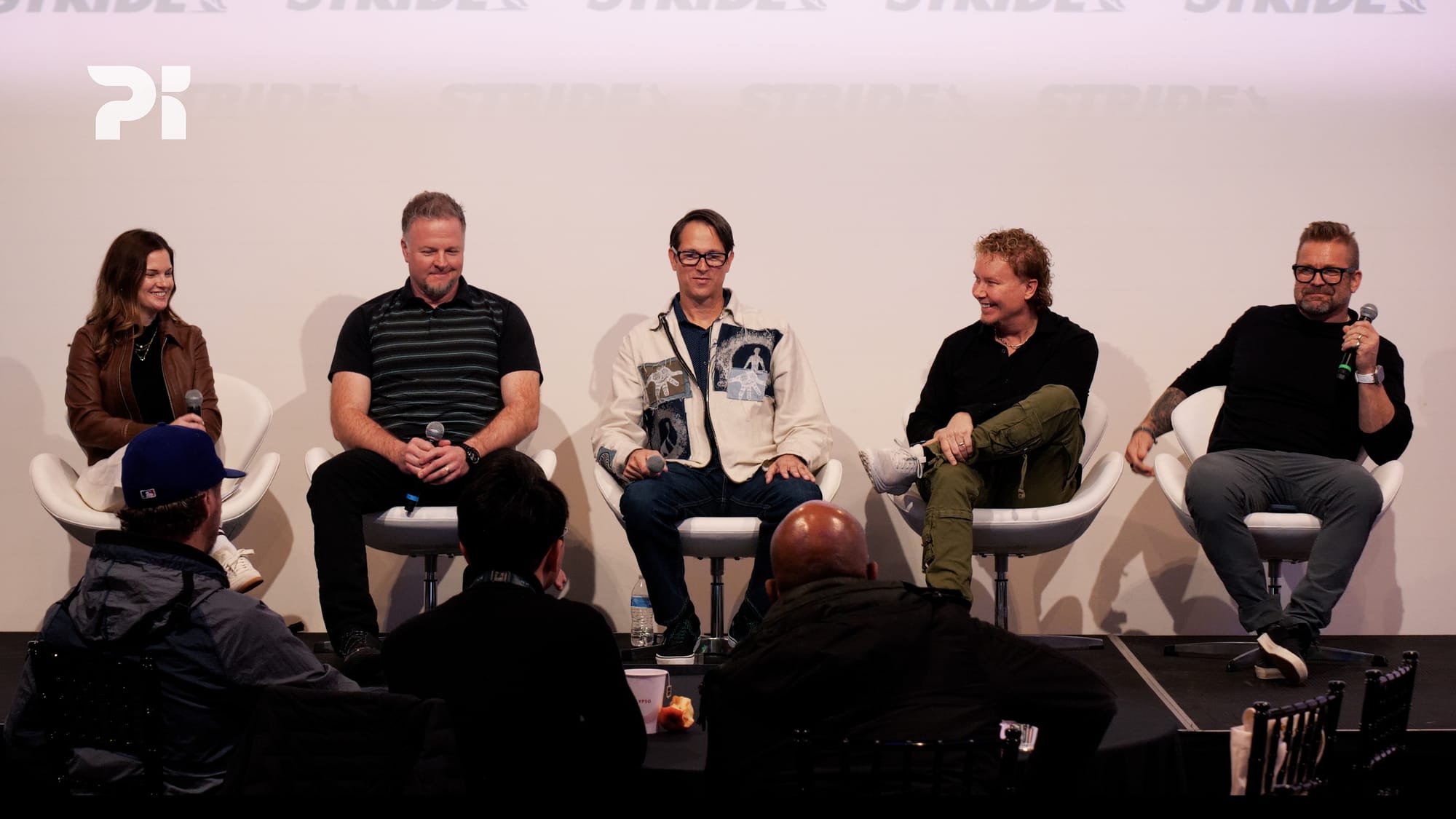
AI sits at the centre of this dynamic, and the conversation around it has matured significantly. Teams are no longer asking what it can do. They're asking how it behaves inside real systems, and the answer is often complicated.
Workflows that function one week can break the next. Outputs remain inconsistent and difficult to standardise. The pace of change within AI tools introduces a constant instability that sits awkwardly alongside the need for reliable, repeatable processes.
At the same time, teams are getting sharper about where AI actually earns its place - in early concepting, in visualisation, in reducing repetitive tasks - rather than treating it as a blanket solution.
The insight that emerged most clearly: AI does not remove friction, it redistributes it.
Tasks that were once slow become instant, but they are replaced by new challenges around validation, ownership and control. The abundance of output creates its own complexity. The question is no longer how to generate ideas, but how to manage, refine and integrate them without losing coherence.
Craft Isn't the Problem. Ignoring It Is.
Alongside the expansion of digital capability, there was a quiet but consistent acknowledgement: human expertise is not a legacy constraint to be engineered out. It's a structural feature of how footwear works.
Materials behave in ways that are difficult to fully simulate. Fit requires iterative refinement. Manufacturing introduces variables that no digital environment can entirely predict. Several speakers framed this not as a limitation, but as a defining characteristic of the category.
The complexity of footwear is precisely what makes full automation unrealistic, and why hybrid approaches are gaining traction. The most advanced workflows still converge on decisions that require experience and judgement.
The future isn't one in which craft is replaced. It's one in which craft has to be integrated more deliberately with the digital systems surrounding it.
The Voices That Need to Be in the Room
One of the less explicit but equally important themes at Stride was the question of who is actually present in these conversations. And who isn't.
The further a discussion gets from the factory floor, the more confidently it tends to move. Nearshoring, circularity, localised production — these are ideas that circulate freely at industry events and with good reason. The direction of travel is right. But the gap between strategic intent and operational reality widens considerably when the people responsible for execution aren't in the room.
Nearshoring only works if you actually have the infrastructure and the people in place…otherwise it’s just an idea.
— Alexander Zar, Lalaland Production & Design
The same is true of sustainability commitments. The material complexity of footwear, often involving dozens or hundreds of components across multiple suppliers, makes circularity far more demanding than it appears in high-level brand communications. Progress is happening, but it is being slowed by a coordination problem as much as a technical one.
The ideas are outpacing the infrastructure. And that gap only closes when the full value chain is in the room; not just the people conceiving the future, but the people who have to build it.
Education Is Behind. But the Next Gen Isn't Waiting.
The skills gap between what design education teaches and what industry actually requires has been a recurring conversation in footwear for years.
There is an increasing disconnect between the tools being taught and the realities of industry workflows.
– Miranda Morrison, Steve Madden
Students are arriving with fluency in new technologies but often without the commercial context to know how those tools behave inside real development environments. Meanwhile established teams are working within systems that have evolved incrementally over decades, creating a mismatch that goes beyond software versions.
This gap is not simply technical. It's cultural. And it won't be closed by updating a curriculum.
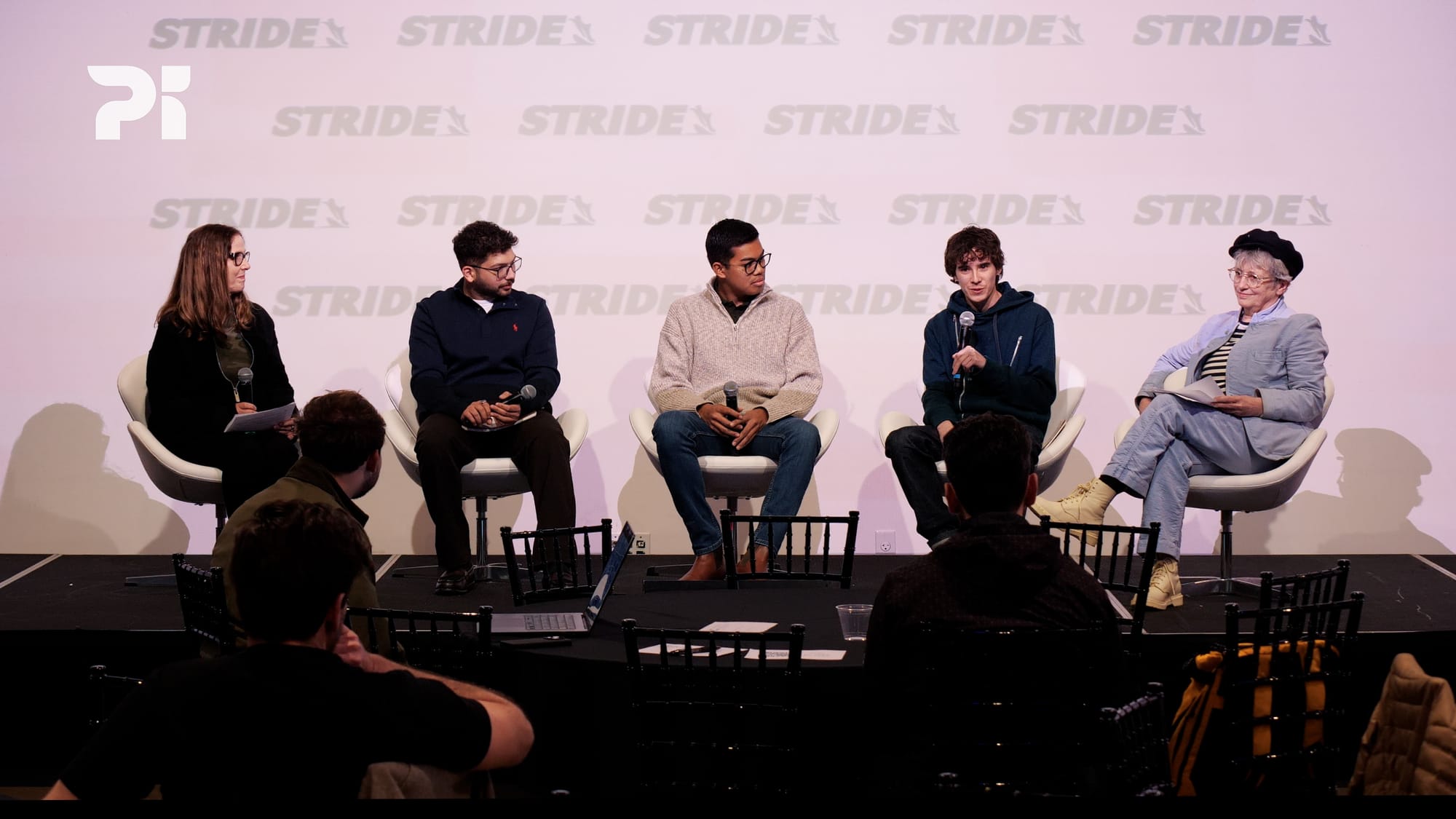
What was striking, though, was the direction of pressure. The next generation represented across panels and on the floor wasn't passively waiting to be integrated. The confidence and clarity on display suggested something more active: a cohort that has already decided how it wants to work, and is creating real pressure on the industry to evolve toward it, rather than the other way around.
The gap is real. But the energy to close it isn't coming from the top down.
The Real Competitive Advantage Is What Supports the Work
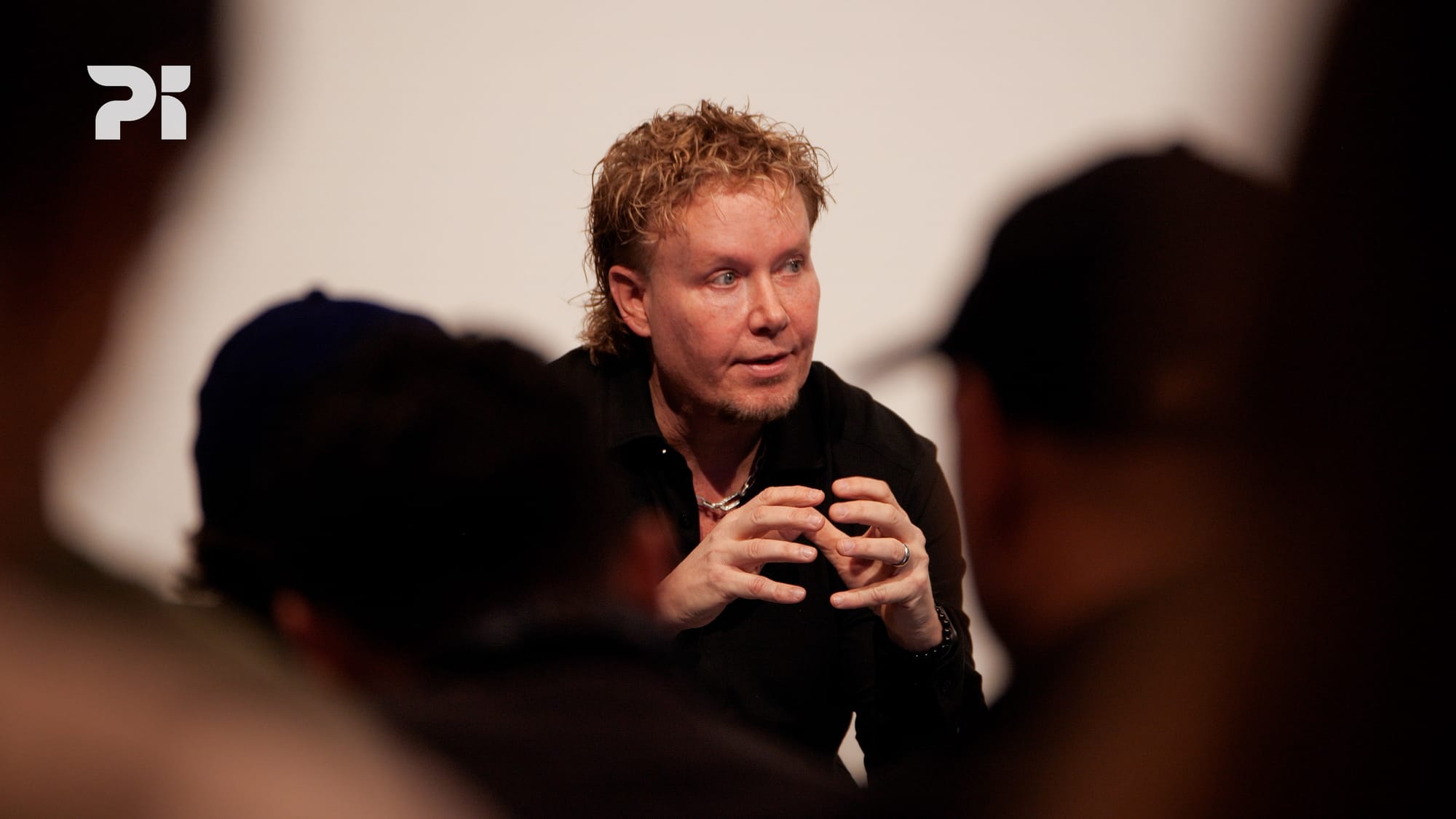
Amid the conversation about tools and output, one of the sharpest contributions came from KEEN — and it reframed the discussion entirely.
Rather than treating innovation as the acceleration of output, KEEN's approach centres on the systems that make output sustainable. Intentionally limiting the range - producing fewer products with greater clarity and control - was presented not as a constraint but as a strategic choice.
Scarcity creates desire…but what scales is the systems.
— Scott Labbe, KEEN
This shifts the frame significantly. The competitive advantage is not how much can be created. It's how effectively it can be supported, consistently, coherently, and at scale.
Success belongs not to the brands generating the most, but to those that have built the infrastructure to sustain what they produce.
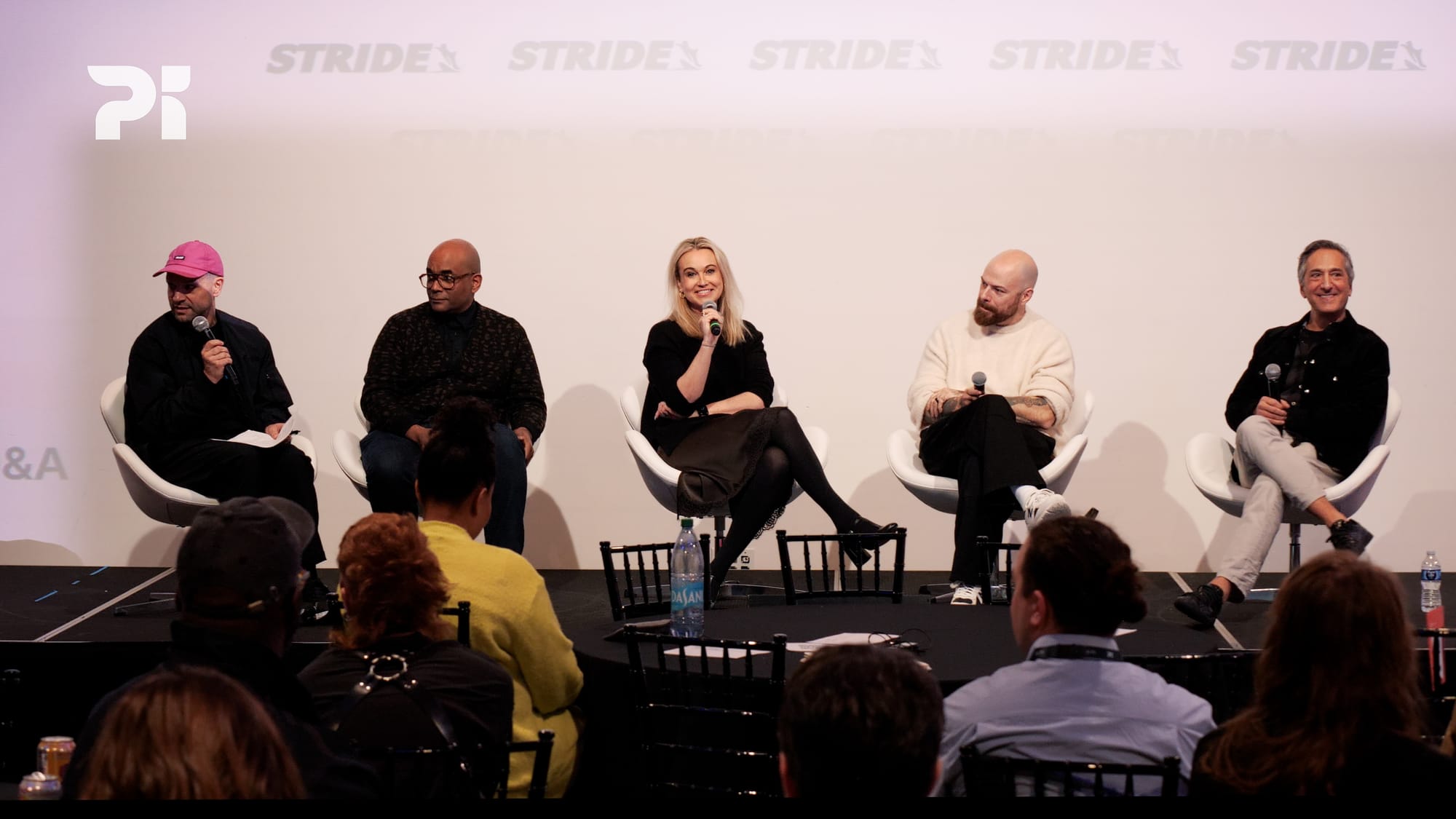
The Tools Don't Know What You Stand For
Technology dominated most of Stride USA 2026. But two of its most resonant conversations were about something harder to systematise: what it actually takes to maintain a creative point of view when everything around it is accelerating.
The tools have levelled the playing field in ways that are genuinely exciting. Access to design capability, prototyping and communication has never been more democratised. But access to tools is not the same as clarity of intent, and that distinction matters more now than it ever has.
With 20,000 to 30,000 footwear brands competing for attention, the question being asked with increasing urgency isn't how do we move faster, but why does our brand exist in the first place?
The brands that answered that question most credibly shared something in common: they started not from the product but from the insight. The founder who sees something that's been in front of everyone all along and refuses to let go of it. The brand that goes back to 1913 to find the values that stayed true, rather than constructing new ones. The team that reserves the word 'innovation' for the things that actually change behaviour and treats everything else as craft, problem-solving, or good design.
Clarity, it turned out, was the real competitive variable; not just in what gets made, but in how quickly decisions get made around it. The argument made most forcefully was that speed in an organisation has almost nothing to do with tools or headcount, and almost everything to do with how quickly decisions can be made and how far they have to travel.
Smaller brands move faster not because they have fewer steps, but because the shared understanding of what they're trying to do is close enough to the surface that decisions don't have to travel far. That same clarity is available to bigger organisations, but it has to be actively built and protected through leadership that defines the boundaries, and through the kind of human infrastructure that no tool can replicate.
Which brought the conversation back, unexpectedly, to something as simple as lunch. Not as a metaphor, but as a genuine argument: that the hallway conversation, the shared table, the friction of actual human proximity, is where creative culture lives. The provocation was direct: the single highest-leverage change available to most organisations has nothing to do with technology at all.
Digitise everything else; that part doesn't compress.
The closing panel ended with a principle that felt right-sized for the moment. Do less, but better. The tools now free up time and money that didn't exist before. The brands most likely to use that freedom well are the ones that choose to make fewer things with greater clarity, rather than simply filling the new capacity with more output.
It's a harder choice than it sounds. The environment rewards speed and volume. But the brands that left the strongest impression weren't the ones doing the most. They were the ones who knew, with uncommon precision, what they were doing and why.
When the Constraints Are Optional
While most of Stride was defined by the challenge of integrating new tools into existing systems, a handful of sessions offered a different kind of provocation altogether.
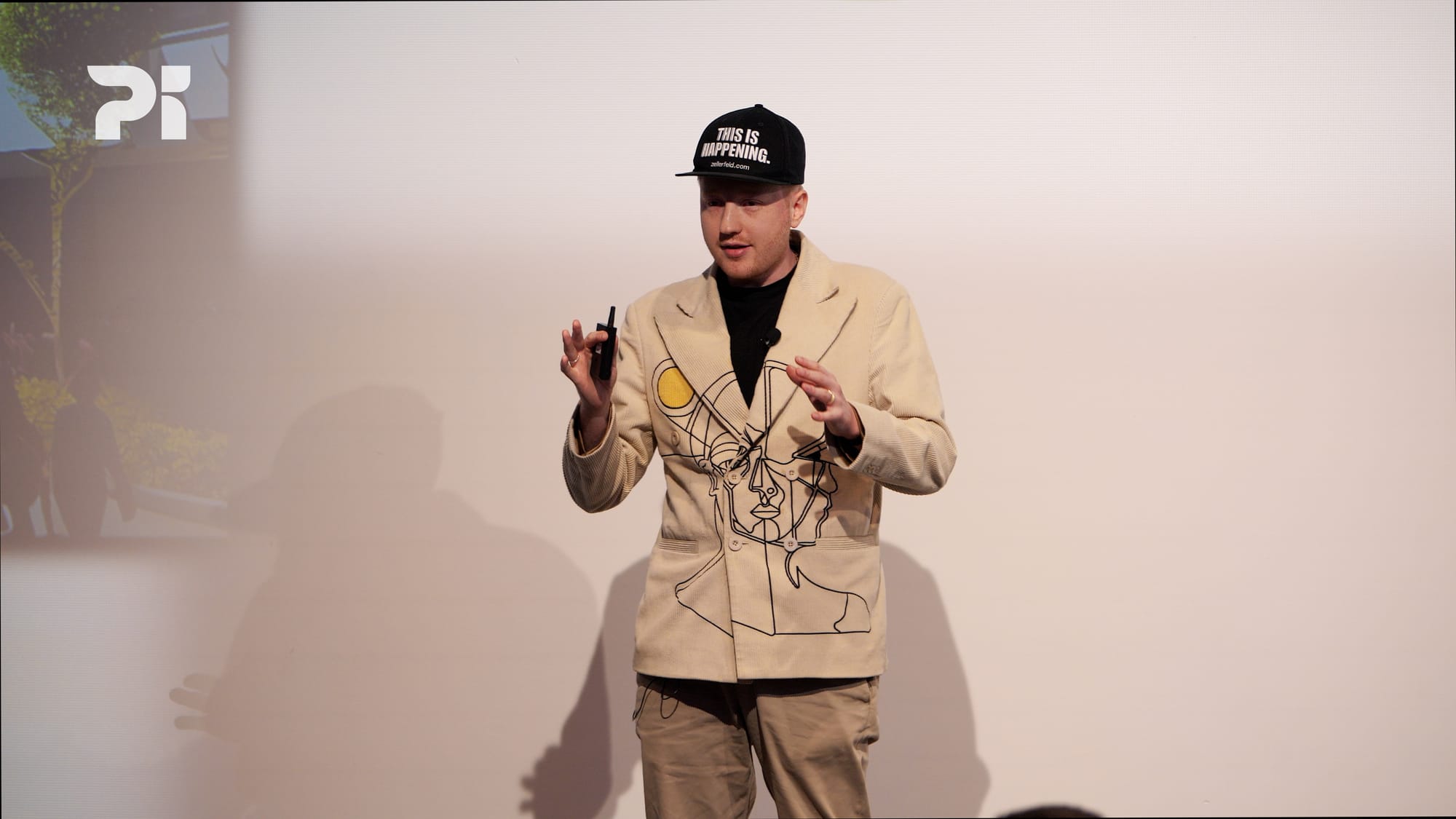
Zellerfeld's pitch was blunt: 3D printing is the industrial revolution of our lifetime, and footwear is its hero product. What they've built is less a brand than a platform; a studio where any designer can upload a file and go to market within days, with no minimum order quantities, no inventory risk, and full retention of customer data. The creative infrastructure that once required a major brand behind it is, in their model, available to anyone.
And the consequences of that openness are sharper than they might appear. Design files for Jordans and Crocs are already being downloaded and printed at home by thousands of people, with zero revenue reaching the brand. As home printers become more capable, what 3D printing does to footwear IP may not look entirely unlike what Napster did to music — and the industry has barely begun to reckon with it.
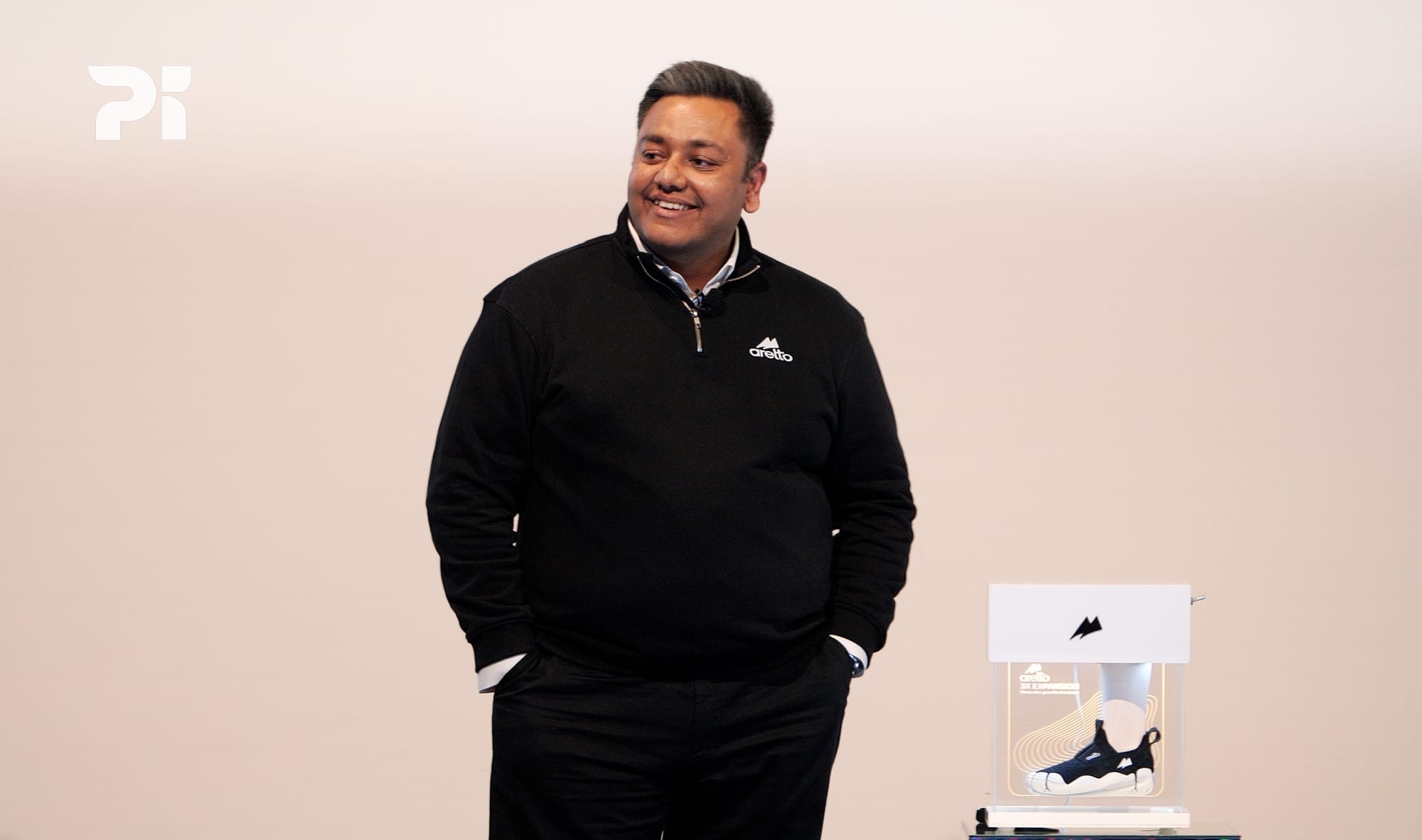
Aretto arrived at a similar destination from the opposite direction. Rather than reinventing the production model, founder Satyajit Mittal reinvented the product itself, starting from a single, stubborn observation: children's feet grow continuously, but shoes don't. One in three children is wearing the wrong size at any given moment. The response was a sole engineered to expand with the child's weight and movement, condensing sixteen traditional sizes into six and reshaping the supply chain logic around it.
What both sessions shared was a refusal to accept inherited assumptions as fixed. In a programme largely defined by the difficulty of working within existing systems, these were reminders that it is also possible to build outside of them entirely.
The Least Glamorous Part of the Journey
But not everyone has that option, and for most of the industry, the work is less dramatic and more demanding. What Stride USA 2026 ultimately revealed is not a lack of progress, but an industry in the most demanding phase of its transformation.
The tools are no longer hypothetical. The potential is broadly understood. The experimentation is largely over.
The challenge now is making it all work together — across teams, across supply chains, across the gap between what can be conceived digitally and what can be reliably produced.
This is a quieter phase. Less visible, less headline-driven, but far more consequential. It demands that organisations rethink not just their tools but how decisions are made, how teams are aligned, and how systems are designed to hold an increasingly complex process together.
It is, in many ways, the least glamorous part of the journey.
But it's also the point at which transformation either stabilises or stalls.
This is the messy middle. And there's no shortcut through it.
Stride USA will return to Portland in March 2027. Register your interest now.


