


Matthew Drinkwater opened the Fashion Tech Show Europe 2026 with BBC footage from 2019, where London College of Fashion students were wrestling with AI for the first time. Would it kill jobs? Would it strip out originality? Would it accelerate fashion's worst tendencies or enable something genuinely new? The mood was cautious, curious, and occasionally anxious.
Drinkwater, who heads LCF's Fashion Innovation Agency and has spent thirteen years at the intersection of fashion and emerging technology, let the clip run. His verdict: six years on, none of those questions have been answered.
Then, early in his keynote, he was asked the one question he said had come up more than any other since the generative AI boom: what is the future for 3D? "I'm not going to answer that today," he said. "I'm going to give you some ideas of what we're doing, and we can all come to our own conclusions."
He left it open deliberately, and in doing so, he named the event's real subject. Not AI, not 3D, not digital transformation as a category, but the specific, unresolved question of what happens when the technology that an entire community has spent a decade building itself around is challenged by something faster, cheaper, and in some contexts better. What do you do with the investment? What do you do with the expertise? And who gets to decide when the tools have changed enough that the strategy needs to change with them?
FTS Europe 2026 couldn't answer those questions. Nobody can. But across two days, it got considerably more precise about why they're hard, and where the real work sits.
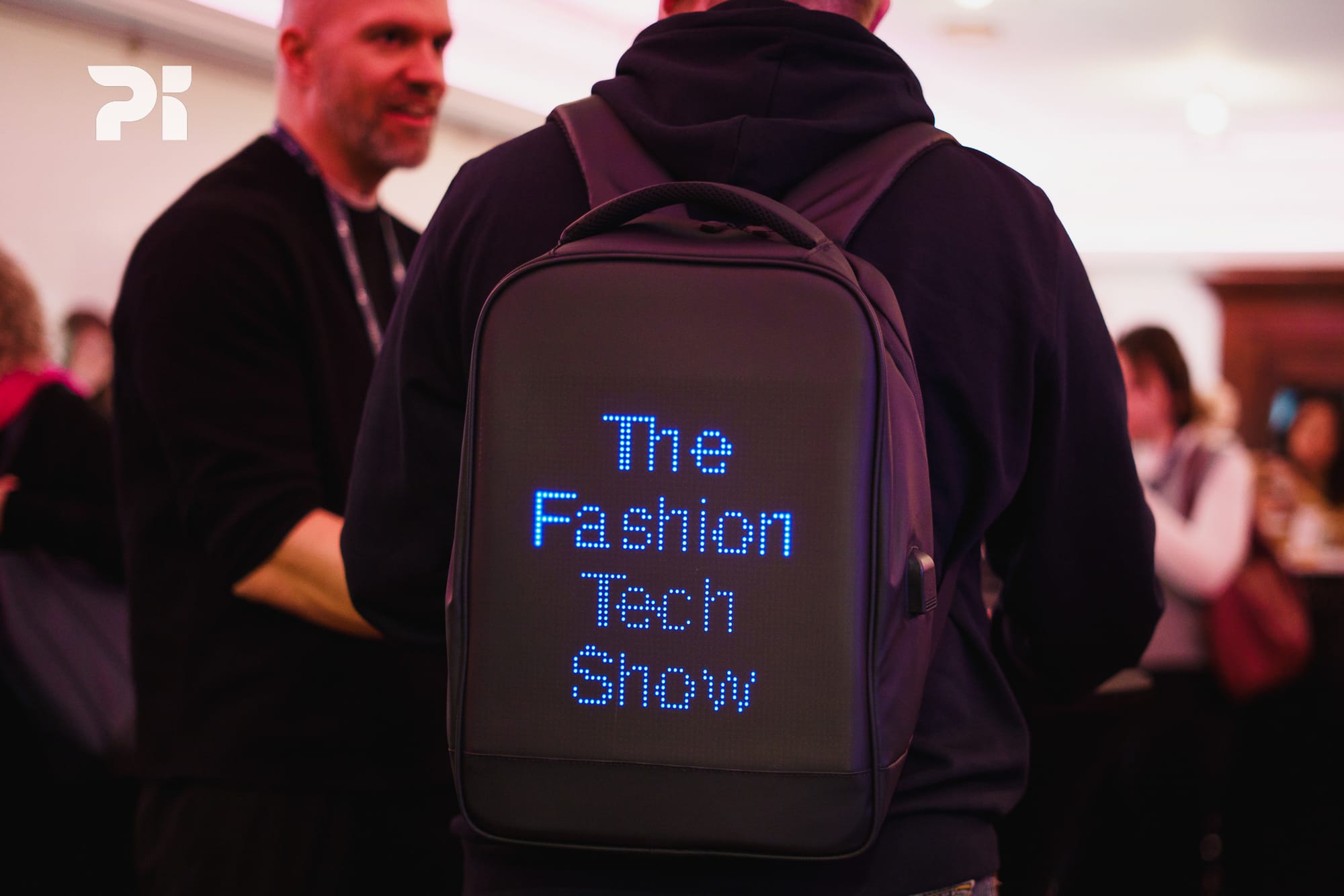
The Pivot Nobody Planned For
Kerry Murphy, co-founder and CEO of The Fabricant, arrived having already made the decision most brands are still avoiding.
The Fabricant spent its first years as a high-quality 3D visualisation and digital sampling business — precisely the kind of company that was supposed to be a beneficiary of the industry's digital transformation. In 2023, they pivoted away from 3D almost entirely. "We pivoted away from 3D," he said, "because we realised that AI is a dominant solution for our purposes, simply because it's faster, it's cheaper, and it's giving better quality in multiple different ways."
He was careful about where 3D still holds. "The most powerful person is somebody who understands 3D and AI together. 3D is extremely good in accuracy, in pattern data and manufacturing information. AI is extremely fast and extremely good when it comes to communication of visuals." But the direction of travel was clear, and the implication for those who built their businesses on 3D adoption was on the table.
Drinkwater had gestured at the same thing in his keynote, showing work from his team that used AI to generate garments, alter digital captures, and build campaign imagery — tools that, a few years ago, would have required 3D pipelines and weeks of work. He wasn't making an argument. He was demonstrating that the landscape had already shifted, and inviting the room to draw its own conclusions.
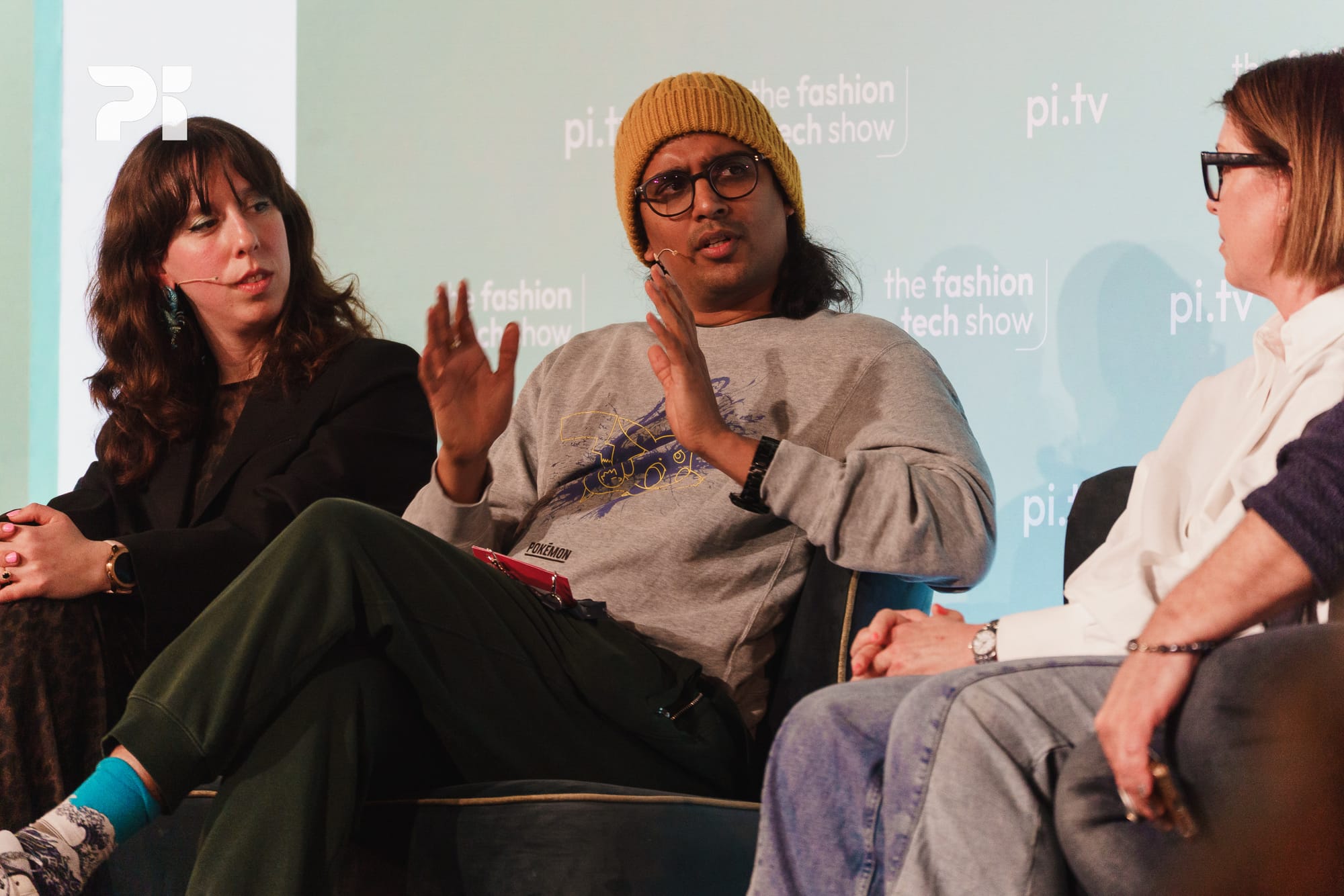
What made this more than a vendor story was where it intersected with Bhargava Ram Kummamuru from H&M, whose account of their AI and 3D transformation was one of the most discussed sessions of the two days. Ram arrived at the closing panel with a question that reframed everything that had been said before it. When, exactly, did "digital product creation" become synonymous with "3D"?
"Digital product creation became 3D product creation — when did that happen?" he asked. "We were doing digital product creation when we did Illustrator sketches. How did that change suddenly to say that everything is about 3D now?" His point was not anti-3D, but that the DPC community had spent a decade building itself around a technology rather than an outcome. Now that technology has a serious challenger, the community risks repeating exactly the same mistake in reverse. "I don't want us to become the 3D guys who are fighting against the AI guys. What difference does it make?"
Claudia Pan Vazquez from VILA put the necessary constraint on that argument. "We cannot erase history of a brand. We cannot erase customers. We cannot erase completely how we work." Tools change faster than organisations do. The question is not which technology wins, but whether brands have the clarity to choose the right tool for the right purpose at each stage of the process, rather than picking a side and defending it.
That clarity is rarer than it should be. And the cost of not having it is becoming more visible.
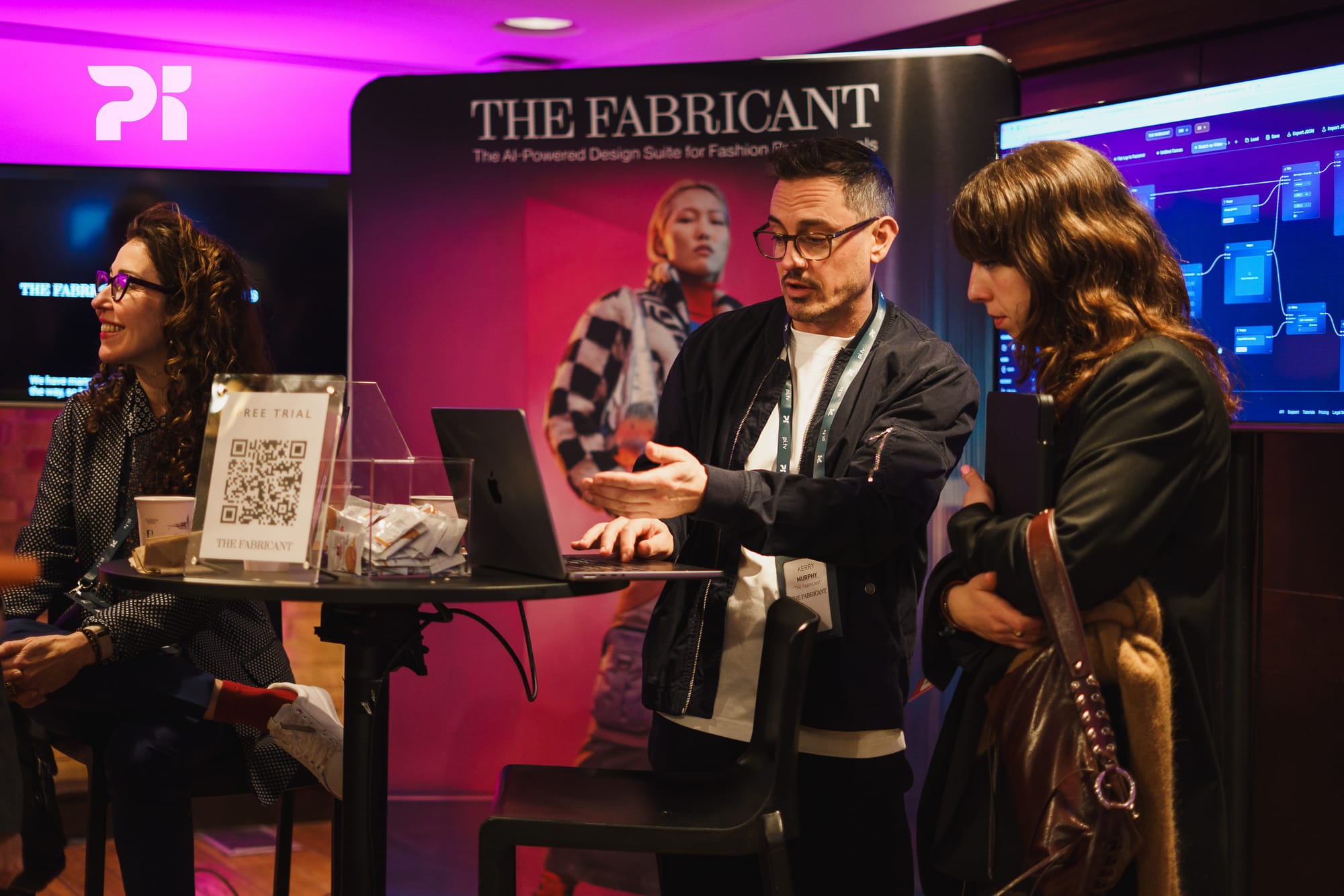
The Process That Doesn't Change When the Tool Does
The deeper problem running beneath the tool debate is that most organisations are still running the sequence backwards: choosing a technology, then trying to fit their processes around it. The result, across different brands and different parts of the business, is consistently the same: the tool gets deployed, the underlying process stays intact, and nothing actually changes.
Kerry shared that someone at his roundtable had asked whether AI had reduced their lead times. "Not really," he said. "The reason is it's not AI, it's a process. If I still do AI and don't change my process, my time will stay the same." The tool is not the transformation. The transformation is what you change before you pick up the tool, and what you're willing to restructure when you put it down.
Ram backed this up: "It boils down to purpose and process. We should not be talking about technology and tools. We should talk about the purpose and the process behind what we want to do, and find the right tools and technology that helps us as brands to create the best product." The sequence matters. Purpose first, process second, tools third. Most organisations are starting at the third step.
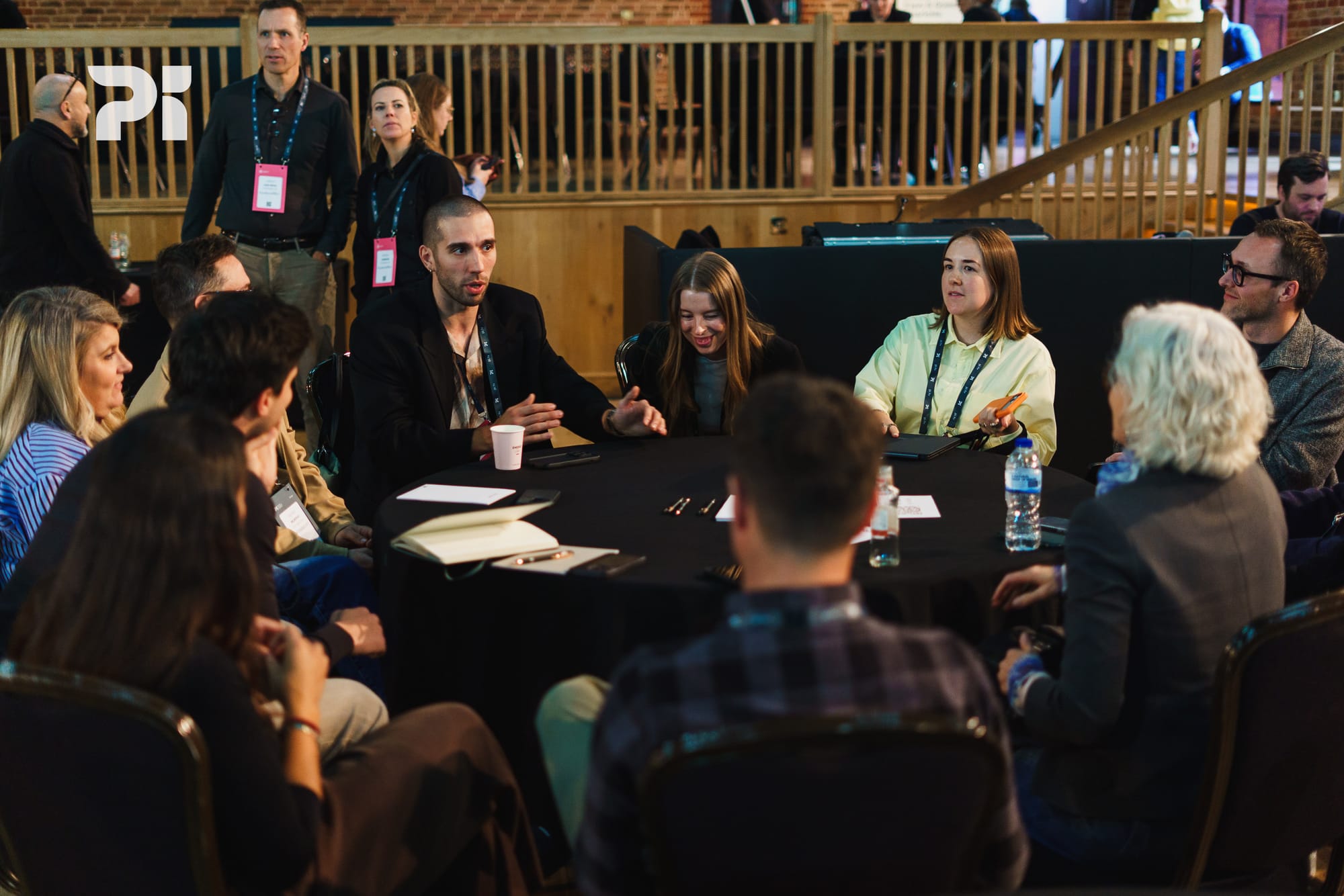
Mihai Ursu from Hypedrop — Bestseller's first fully digital brand, designed from scratch around digital workflows rather than adapted toward them — was the clearest demonstration of what starting at step one actually produces. No physical approvals. No traditional sample rounds. Instead, weekly drops, two-week development cycles, four-week production. The model works specifically because every link in the chain was rebuilt with digital logic at its centre, not layered on top of what was already there.
Digital transformation that doesn't change the underlying process is not transformation. It's a more expensive version of what was already happening.
Janette Cox from Primark, who has stepped back into an operational role after time away, brought the same argument from the factory floor up. "Digital technology is not going to solve that — process and purpose is going to solve that." And then the question that reframed the whole conversation: "Are we even making the right product to begin with?" The technology conversation, she was pointing out, is still almost entirely about how to make things more efficiently.
The question of whether the right things are being made is largely outside the frame, but is the harder, more important question.
The Expertise That Isn't Being Protected
The 3D-to-AI transition carries a risk the industry is not talking about loudly enough: that in moving quickly toward AI-assisted generation, brands lose the craft expertise needed to evaluate what those systems produce.
Pattern making is the clearest example. The knowledge that determines how a garment is actually constructed — how it behaves on a body, how it translates from design intent to wearable object — is deep, embodied, and hard to formalise. It is also not always the knowledge with the loudest voice in transformation conversations. The risk is that organisations accelerate toward AI-assisted pattern generation before they have transferred the expertise required to know when it's working and when it isn't.
Ram framed where this leads. As tools change, the value of craft knowledge doesn't diminish — it shifts. What becomes less important is fluency in specific software. What becomes more important is mastery of underlying principles. "You will not need to know which buttons to press," he said. "Understanding craftsmanship — on a fabric level, a physics level, how to express an art form — those things become more critical." The tools will keep changing. That knowledge is more durable. The question is whether the conditions exist to preserve and transfer it before the transition accelerates past the point where that's still possible.
Simone Klump and Solveigh Friedrichsen from Bonprix were working on the foundations version of exactly that problem: building a standardised pattern library across a large multi-category brand, slowly, by persuading designers that standards aren't creativity killers and suppliers that templates aren't constraints. "Fashion needs freedom and efficiency needs structure," Friedrichsen said. "A strong pattern library is a performance driver, not a creativity killer." Currently around a third of Bonprix's assortment originates from the library. It is unglamorous work, but it is precisely the kind of work that determines whether a brand's digital transformation produces consistent output or just faster inconsistency.
Luca Pascucci from Bestseller described what genuine adoption, as distinct from deployment, actually looks like. "You have to make sure that you're showing tangible examples of the value," he said. "You eat the elephant bit by bit. You build a journey with small wins that you need to celebrate." That process has to account for the people who hold the expertise being asked to change, not just the systems being upgraded around them. The risk is that speed of deployment and pace of human change diverge, and the gap between them is where institutional knowledge disappears.
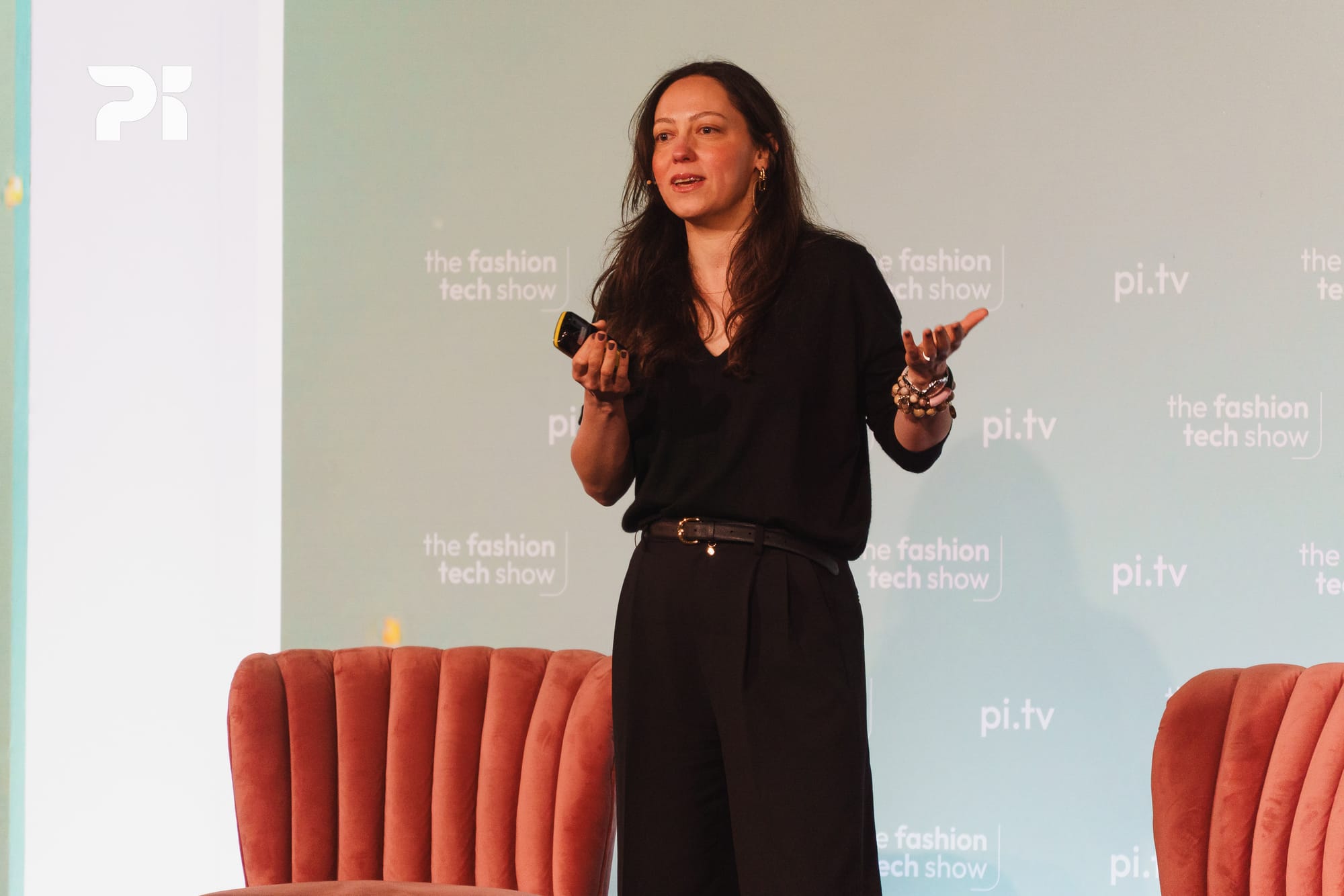
The creativity question sits inside the same problem. For Marius Op't Eynde — fifteen years leading design teams, including work at PVH — AI has changed the workflow without changing what the workflow is for. His team can now move from hand sketch directly to photorealistic output. "Before, you would do the hand sketch, translate it into CAD, translate it into 3D visualisation, and at the end you still had only a version of what you were trying to say. It always looked a bit plasticky." The friction has been removed. The judgment hasn't been. Creativity, he argued, is "the act of consciously bringing something into being", and the word consciously is doing the work.
What AI cannot do is decide which of a thousand generated options means something. That remains a human decision, and it becomes more demanding as the supply of options expands. The designers who understand that are not afraid of AI. The ones who should be worried are those who believed their job was to produce options in the first place.
Mary Sidiropoulou, whose experience spans Nike, H&M, PVH, and Amazon's DTC operation, brought the consumer data to bear on the same point. At scale, the pattern is consistent: AI-generated images that solve a problem for the customer — surfacing a detail, communicating material composition — drive engagement. AI used for novelty drives indifference. "Whenever we use it to solve a problem for the customer, they will welcome it," she said. The Gucci campaign that leaned into its AI-ness and attracted significant backlash was her counterexample: not because it used AI, but because it had nothing to say with it.
The tools amplify intent. They don't supply it.
Problems No Brand Can Solve Alone
Some of the most significant pressures on the industry aren't coming from inside it — they're structural failures that no single brand can fix unilaterally, whether that's regulatory, technical, or a market coordination problem that has been deferred for decades.
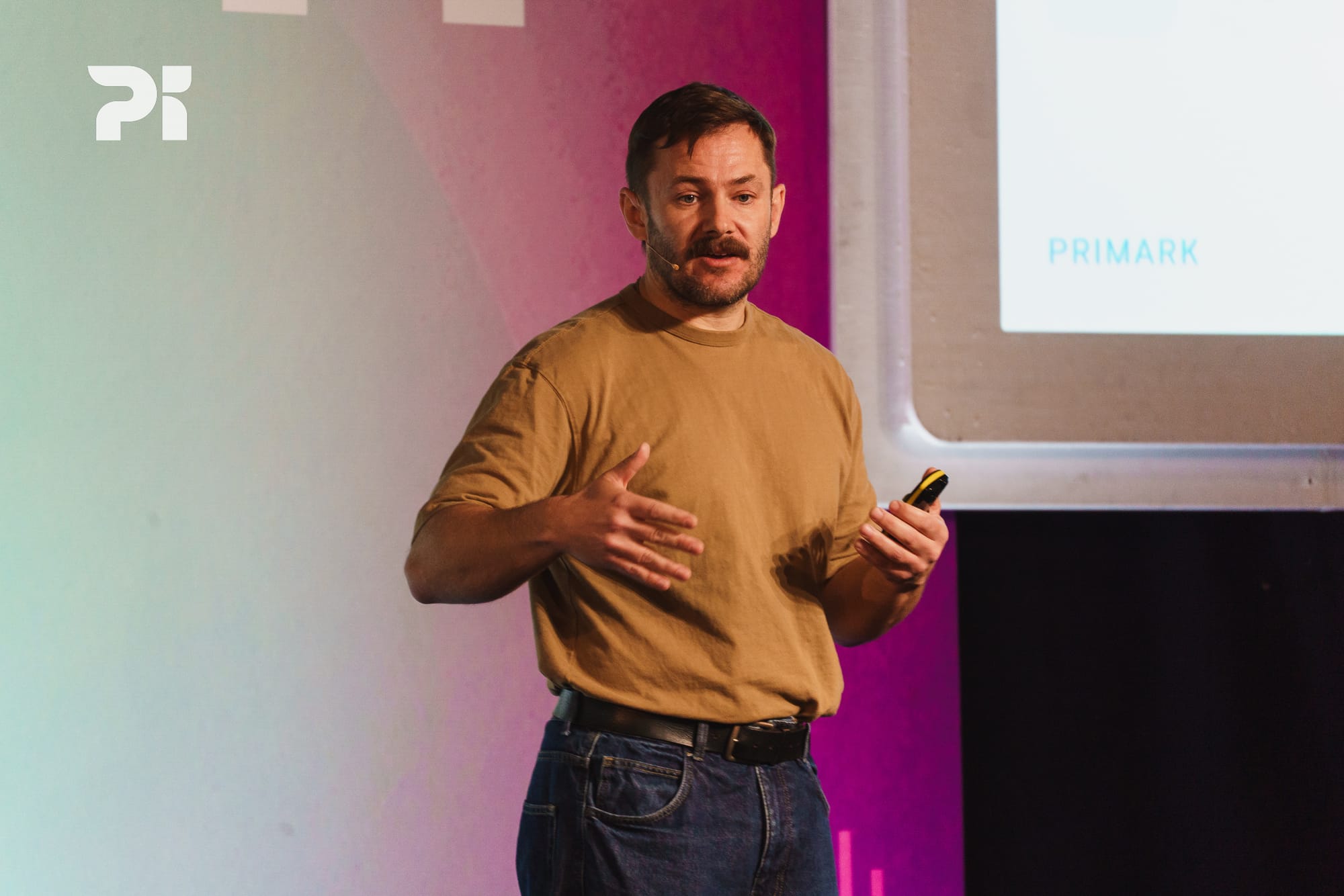
Nick Lambert, Head of Circularity and Materials at Primark and a former buyer, made the gap between sustainability as narrative and sustainability as operational requirement as plain as it can be made. The design decisions that determine whether a garment can be recycled, repaired, or responsibly disposed of are made during product development — by buyers and designers, not sustainability specialists. Building that capability across 80,000 colleagues is slow work. "My litmus test is myself," he said. "If I can't understand it, I can't really expect someone else to be able to understand the thing I'm trying to ask them to do." The EU's Ecodesign for Sustainable Products Regulation is bringing legislative urgency to what most brands have treated as optional. How ready most brands actually are is a question Lambert left politely open.
Andrew Xeni at Nobody's Child and Ian Walker from GS1 UK made the same structural argument about digital product passports. A DPP is only as valuable as its interoperability; a code on a garment that only one system can read isn't infrastructure, it's a label. Making product information flow reliably across brands, retailers, regulators, and supply chain partners requires shared standards, and fashion's relationship with shared standards has historically been one of principled avoidance. Nobody's Child started implementing DPPs three and a half years ago not from compliance obligation but from brand logic: the DPP gave them a mechanism to surface what they had actually built, at product level, verifiably. The eighth generation is running. The brands that wait will be building under pressure, to a deadline, with less leverage over what the standard becomes.
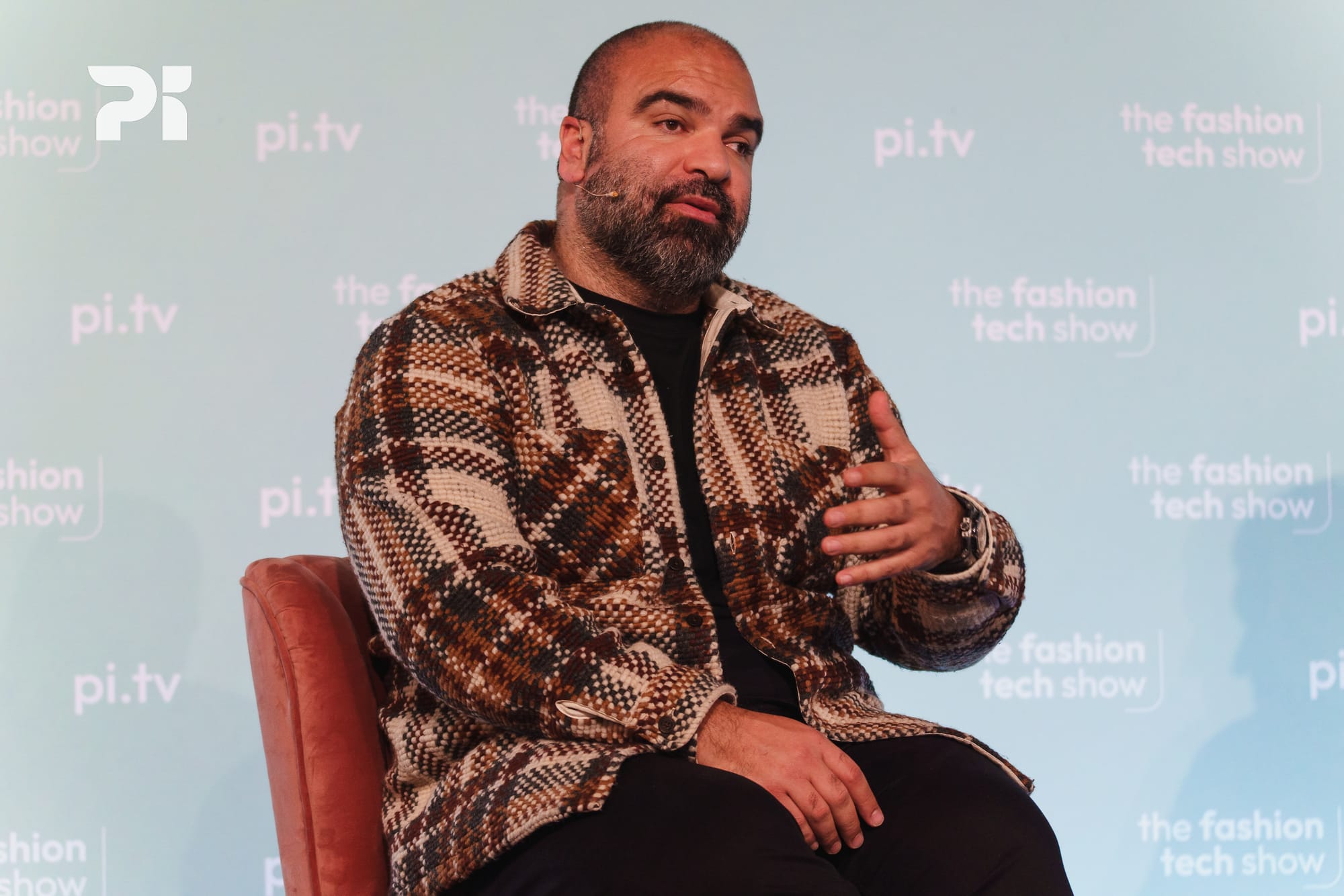
Pelin Anli Bedirhanoglu at Zalando made the same argument about sizing, which is a different coordination problem but structurally identical. Her mission is simple in principle: "We want to ensure that every Zalando customer finds what fits them well in the first try." The numbers are not simple. In online fashion, roughly half of everything purchased is returned; at least a third of those returns are sizing-related. That puts something in the region of 25% of all e-commerce fashion volume in a loop of purchase, return, and reprocessing because the item didn't fit.
The structural cause is not a measurement problem. Mass production inverts the tailoring relationship: clothes are made first, then customers try to find ones that fit. Fixing that gap requires brands to treat sizing as a shared challenge and engage with data standards they have historically avoided. What Zalando can do internally, it does. What it cannot do alone is fix the coordination failure underneath.
All three perspectives point to an industry that has a coordination problem it cannot solve individually. Regulation is forcing the issue, and the brands that engage early will be better positioned than those that wait to be pushed.
The People Not in the Room
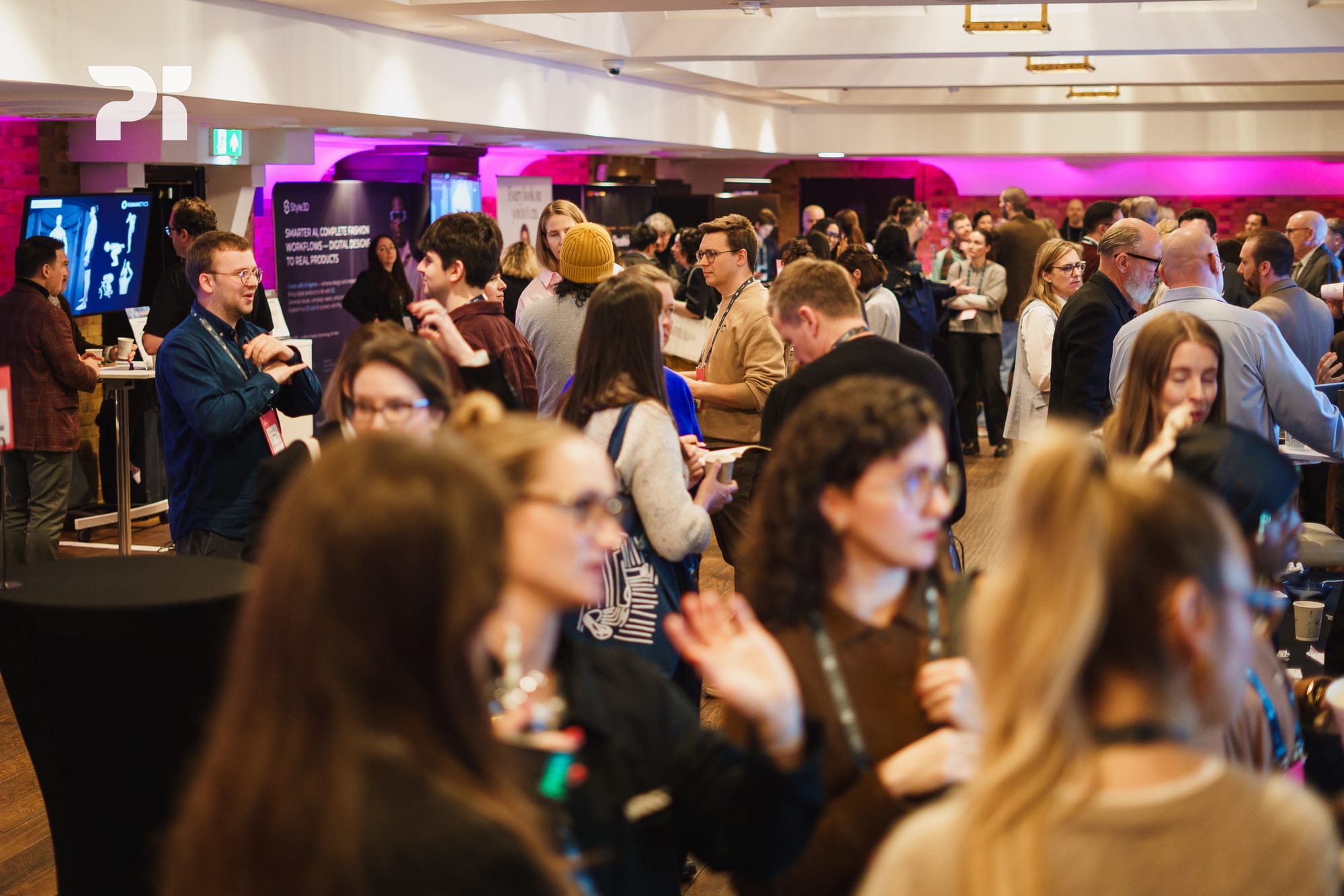
One absence across both days was more telling than any presence: the supply chain. The people who actually build what gets designed and debated in conference rooms were not there. And decision after decision described across both days — on digital workflows, on sustainability targets, on fit and sizing — runs directly through partners and suppliers who are being asked to absorb changes they had limited part in designing.
Janette was the clearest voice on this. "Do not leave your supply chain and your suppliers out of this conversation," she said. "They know more than we do." It was a diagnosis of one of the most consistent failure modes in digital transformation: the assumption that the hard work is internal, and that the supply chain will adapt. It won't, at least not at the speed or quality required, unless it is included from the beginning.
Kerry made the same point from the visual effects industry he came from, where competitors work on the same films, share assets, and collaborate openly on tools and knowledge. That model hasn't arrived in fashion. Ram's session was praised specifically for surfacing wins and losses rather than just wins — an approach that remains unusual enough to be remarked upon. "People really benefit from it," Kerry said. "And everybody would benefit from it."
The coordination problem will not be solved in a single conference. But it doesn't get solved at all without the conversations starting to include the people currently on the outside of them.
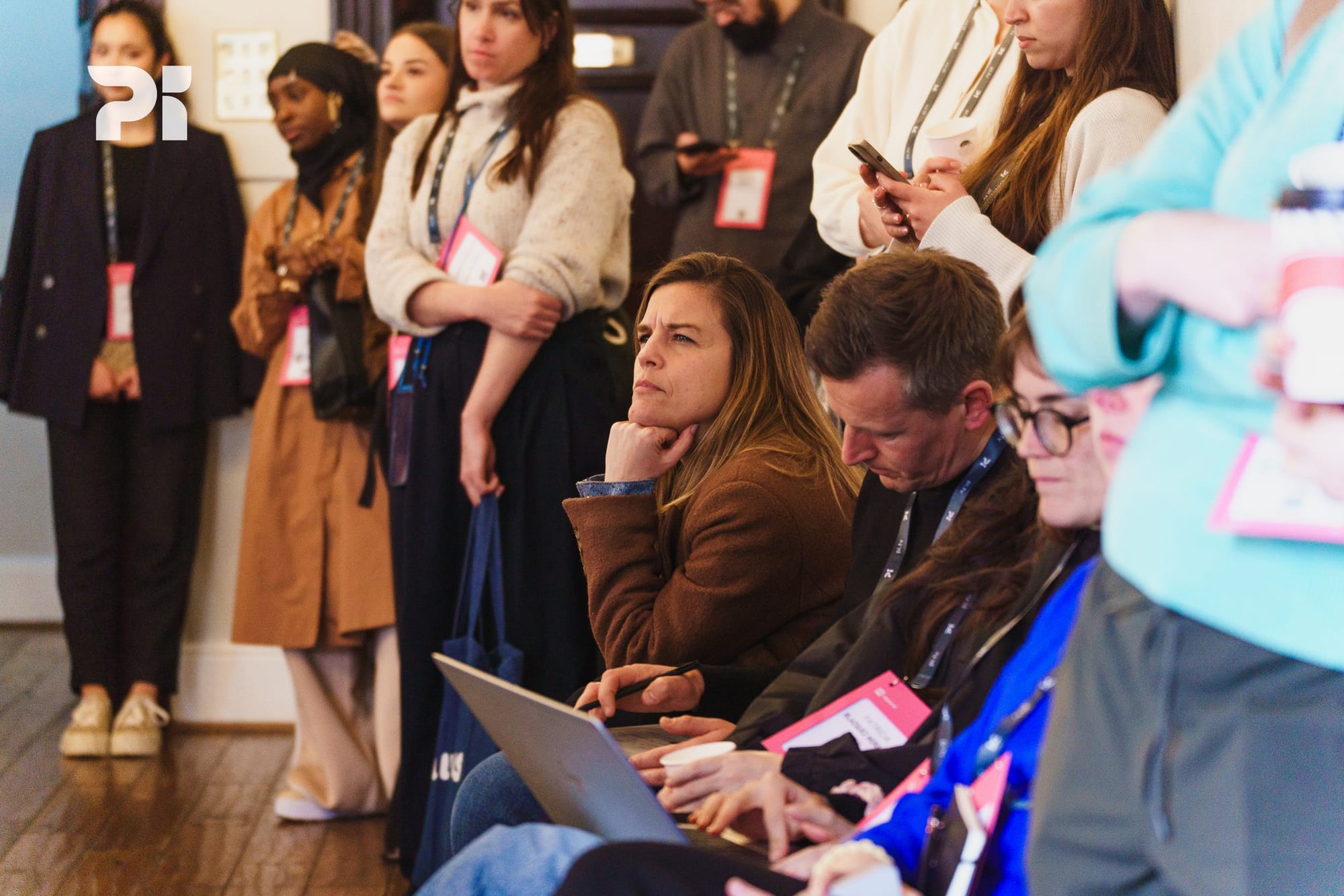
The questions the LCF students asked in 2019 are still the right questions, and the industry is getting better at living with not having answered them. That is not the same thing as progress, though it is more honest than pretending the answers exist.
Drinkwater declined to say what the future of 3D is. By the end of two days, it was clearer why. The honest answer is not a technology prediction. It's an organisational question: what are you trying to do, what does that require, and are the people who need to carry it through actually in the room?
Those questions have been asked for years, and the tools to act on them are considerably better. What's missing now is not better tools, but the willingness to let the answers change the process rather than just the platform.
The Fashion Tech Show returns to Europe in spring 2027. Register your interest.


