

Midway through the morning of The Fashion Tech Exchange Hong Kong 2026, H&M’s Esra Caglar reached for an analogy she credited to her colleague Lamberto Tarin: “We don’t need a Porsche to go grocery shopping.” In other words, know what the job needs before you choose the tool.
Tarin had told a story on the opening panel about a related mistake: building before you know what it’s for. In the past, he said, H&M set out to build “an amazing highway” of tech infrastructure first, planning to bring the use cases later. Before it was even finished, they realised it was obsolete and heading in the wrong direction. Now H&M is happy to take "a bumpier road", on the condition that every tool it adopts has a clear job to do and pays its way from day one.
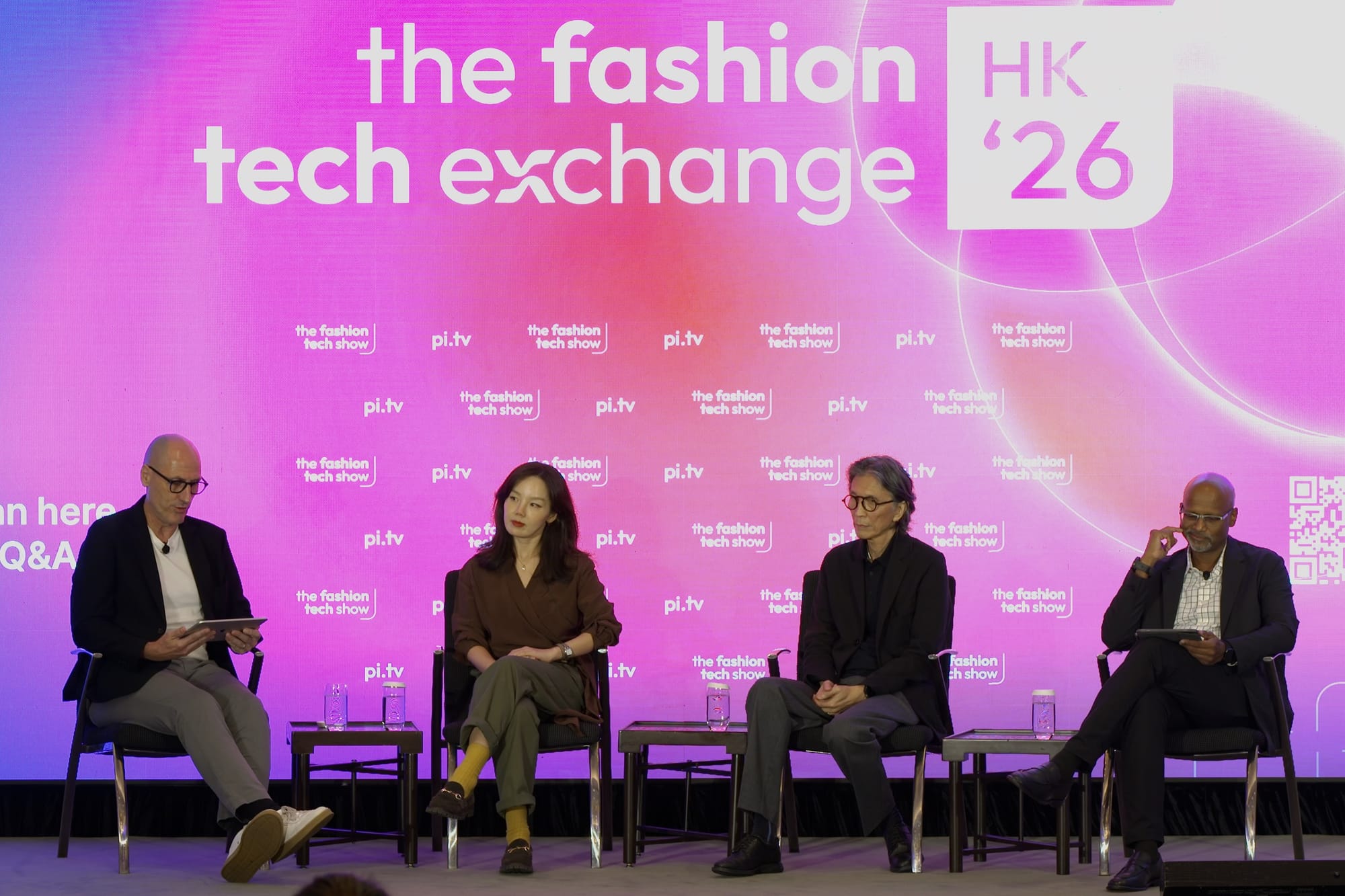
The technology isn’t the problem. PLM, 3D and AI have never been more capable, and the room at the Kowloon Shangri-La on 4 November had plenty of proof. But as chairman Bernd Sauer said at the start, the thread rarely breaks inside the tools. It breaks at the joins between them, and every tool bought ahead of a real need adds another join.
So the conversation in Hong Kong was less about what the technology can do than where it earns its keep. Here are seven lessons worth taking home.
I. Clean Your Own Kitchen First
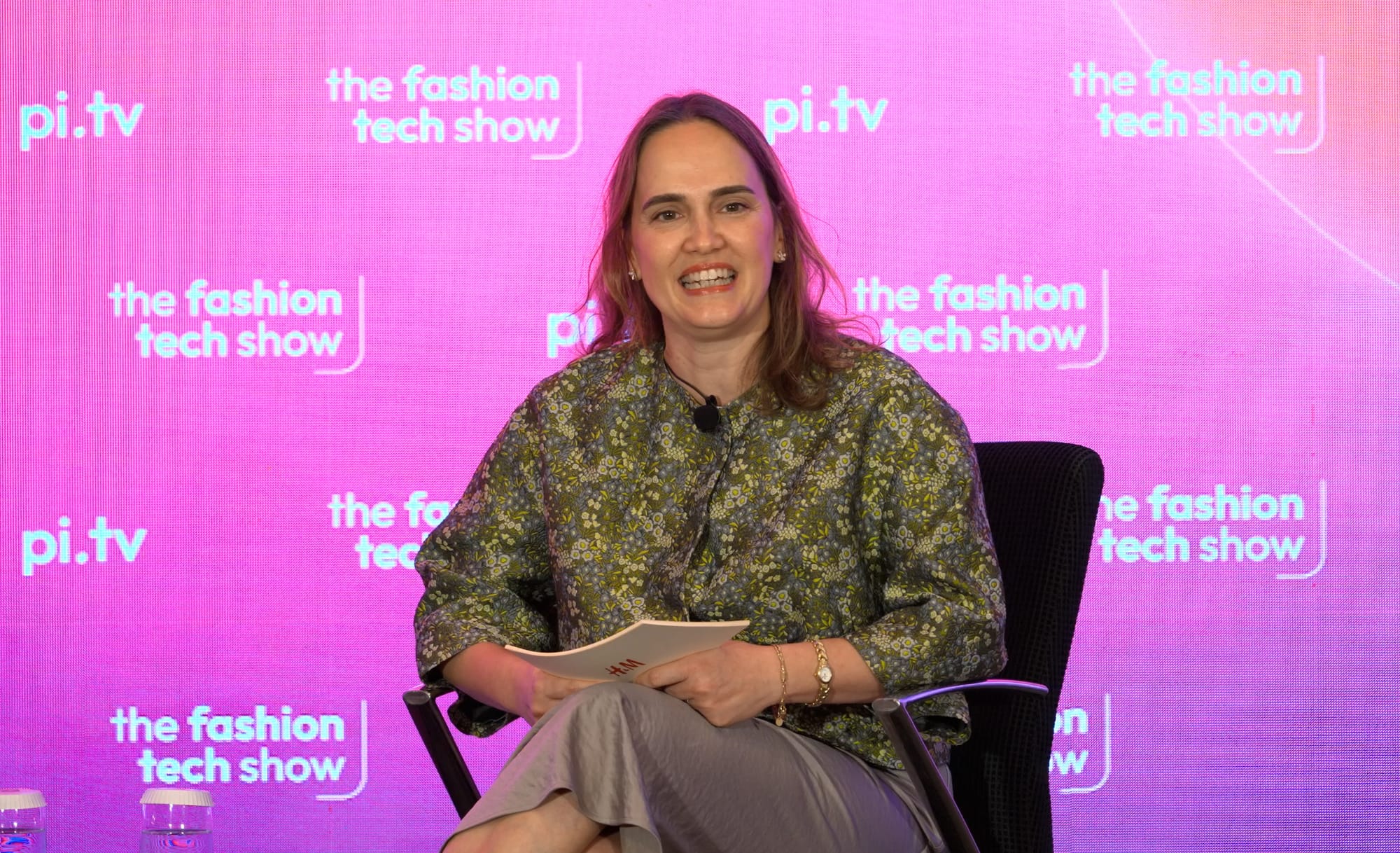
In a fireside conversation, Esra Caglar, H&M's Head of Production Processes and Tech Development, walked through the company's supplier integration journey, now five years in. She described it in three phases. The first started at home, before a single supplier was involved.
This journey, especially digitalisation and integration, cannot start before we work on our own way of working. It all starts with cleaning our own kitchen.
— Esra Caglar, H&M
That first clean-up wasn't about technology at all. Around five years ago, H&M took a hard look at a supplier portfolio that had become "scattered quite broadly". It asked who it wanted to be working with in three or five years' time, and how business would be allocated between them. Consolidation came first, and technology joined the conversation later. Only then did the systems work begin: replacing giant on-premise systems, where production, logistics and sales could each see a different version of the same order, with cloud, APIs and event-based architecture so data moves as things happen.
The second phase built the bridges to suppliers. H&M adjusts order quantities every week across its store and online network, and those changes now flow straight into suppliers' own ERP systems. A couple of years ago, Caglar said, the team was still debating whether that was even possible. Rather than custom-coding a link to every supplier's ERP, H&M built a modular setup that can take data from many different systems. The less obvious bridges run between the suppliers themselves. At H&M's annual summits, strategic partners share the solutions they use, and the most advanced host other H&M suppliers on their own factory floors.
The third phase is about what flows across those bridges. Data is entered once and reused by production, logistics, planning and even H&M's website. Suppliers see their seasonal allocation plans, how they're tracking and where the gaps are, on the same reports H&M sees. They can also see their scorecards, and where they stand against their peers. The result is what Caglar called the biggest shift in the partnership: strategic suppliers now come to H&M with their own scorecards and action plans, because being in the driving seat helps them win business.
None of it is finished, and Caglar didn't pretend otherwise. "It's still a journey," she said. Her advice to any brand or supplier setting out is to simplify before you digitise. Ask why you do what you do, and what you're ready to let go of.
II. 3D's Tomato Test
The sharpest views on 3D came from two manufacturers of the hardest products to simulate: swimwear and lingerie. That’s a bias worth naming. It’s also why they were worth hearing, because close-to-body product is where 3D gets stress-tested.
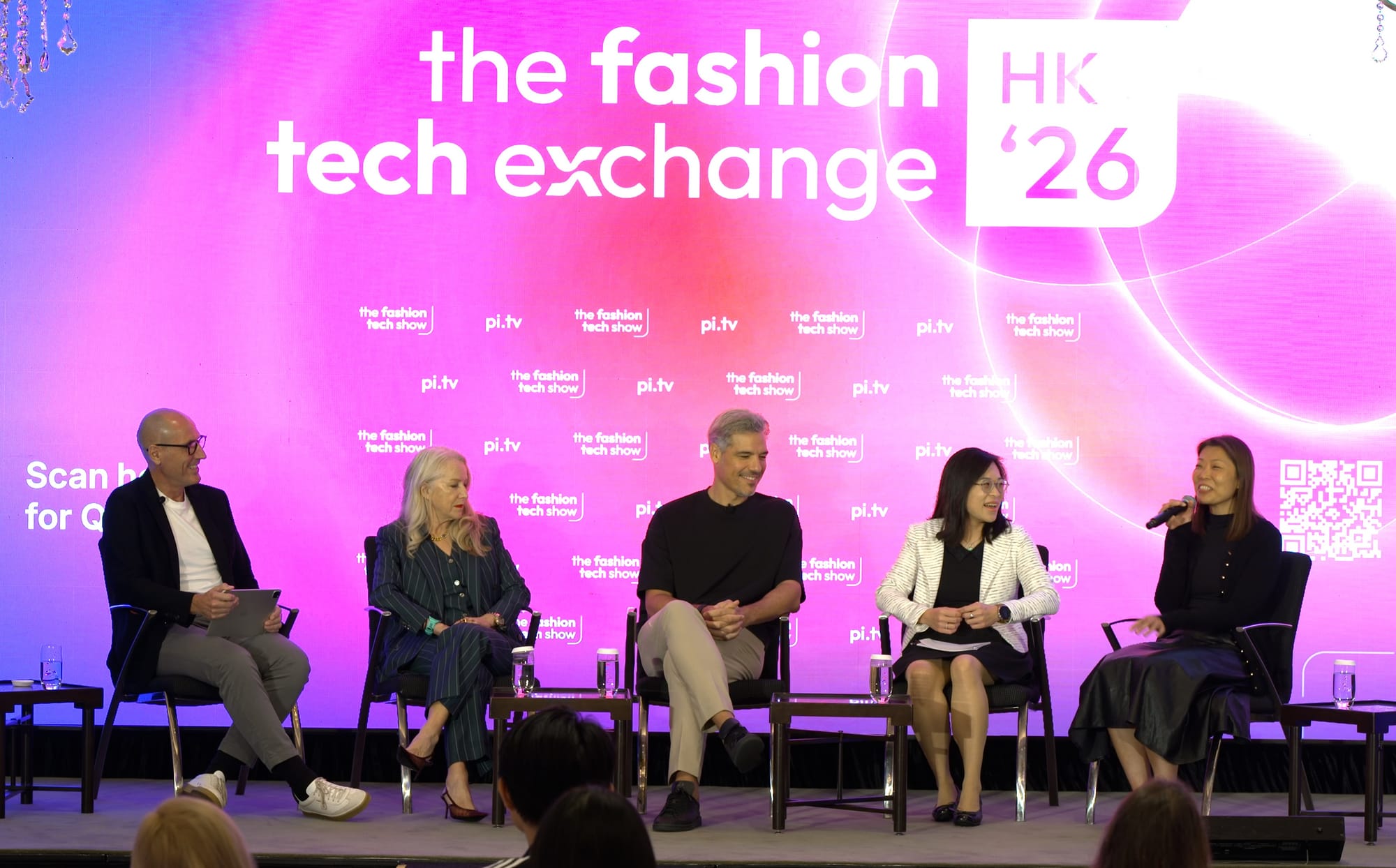
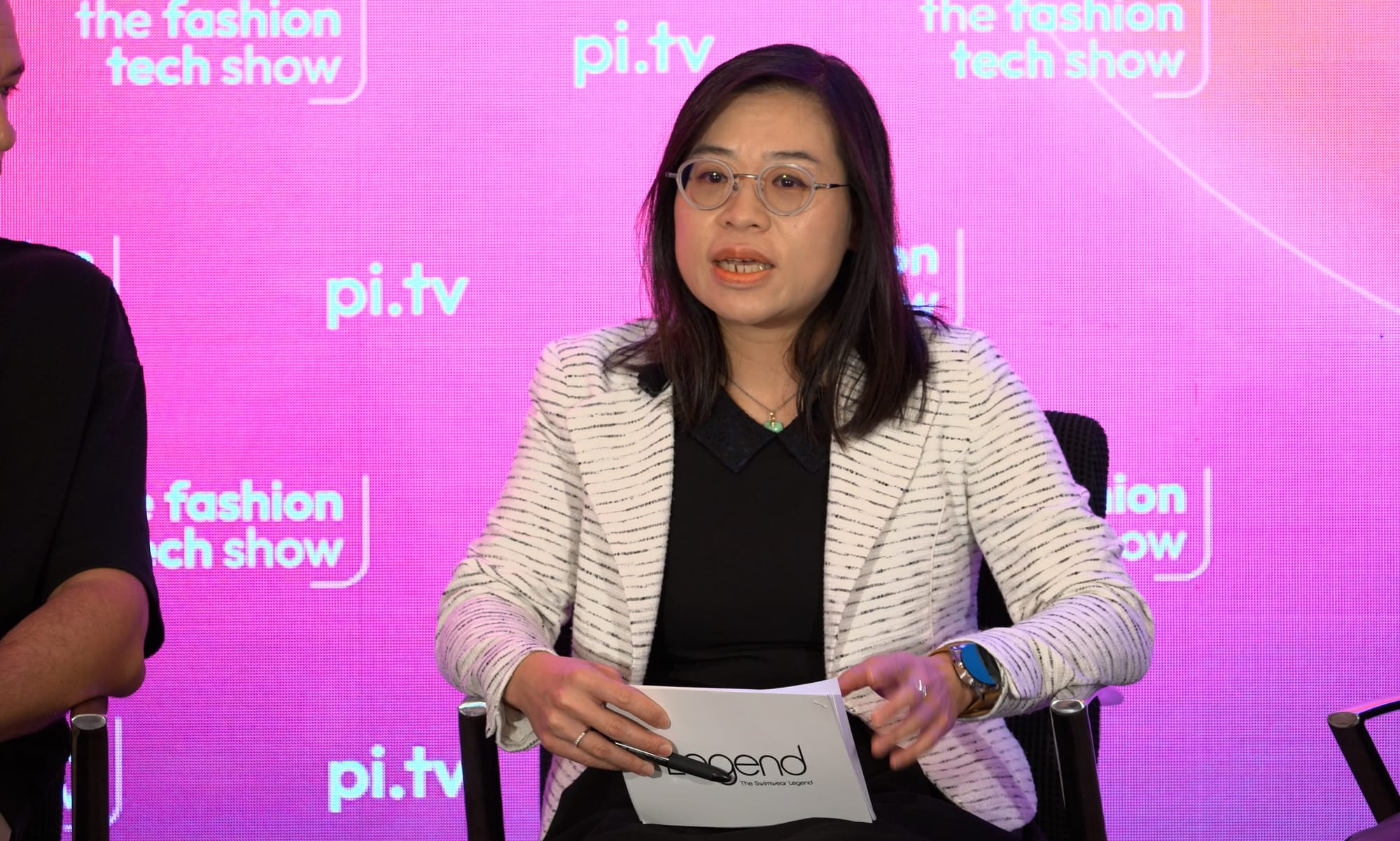
Cecilia Chan, Chief Commercial Officer at Legend Swimwear Factory, explained the problem. 3D drapes a garment onto an avatar using gravity, but swimwear and lingerie compress soft tissue that pushes back, and no avatar on the market models that "negative ease" accurately. She compared it to a self-driving car. (Fashion, it turns out, loves a car metaphor.) You only take your hands off the wheel when the road is mapped, and for close-to-body product, "the soft-form avatar is not mapped".
Joyce Wong, Assistant Vice President, Commercial and Digital Innovation at Top Form Group, which makes intimate apparel, set out where 3D earns its place. For a T-shirt, 3D can carry far more of the decisions, and even in intimates she'll sign off colourways, prints and branding from it. Just not fit. As Chan put it, if fit is about how a garment feels on a moving body, why spend so much effort turning that feeling into a picture?
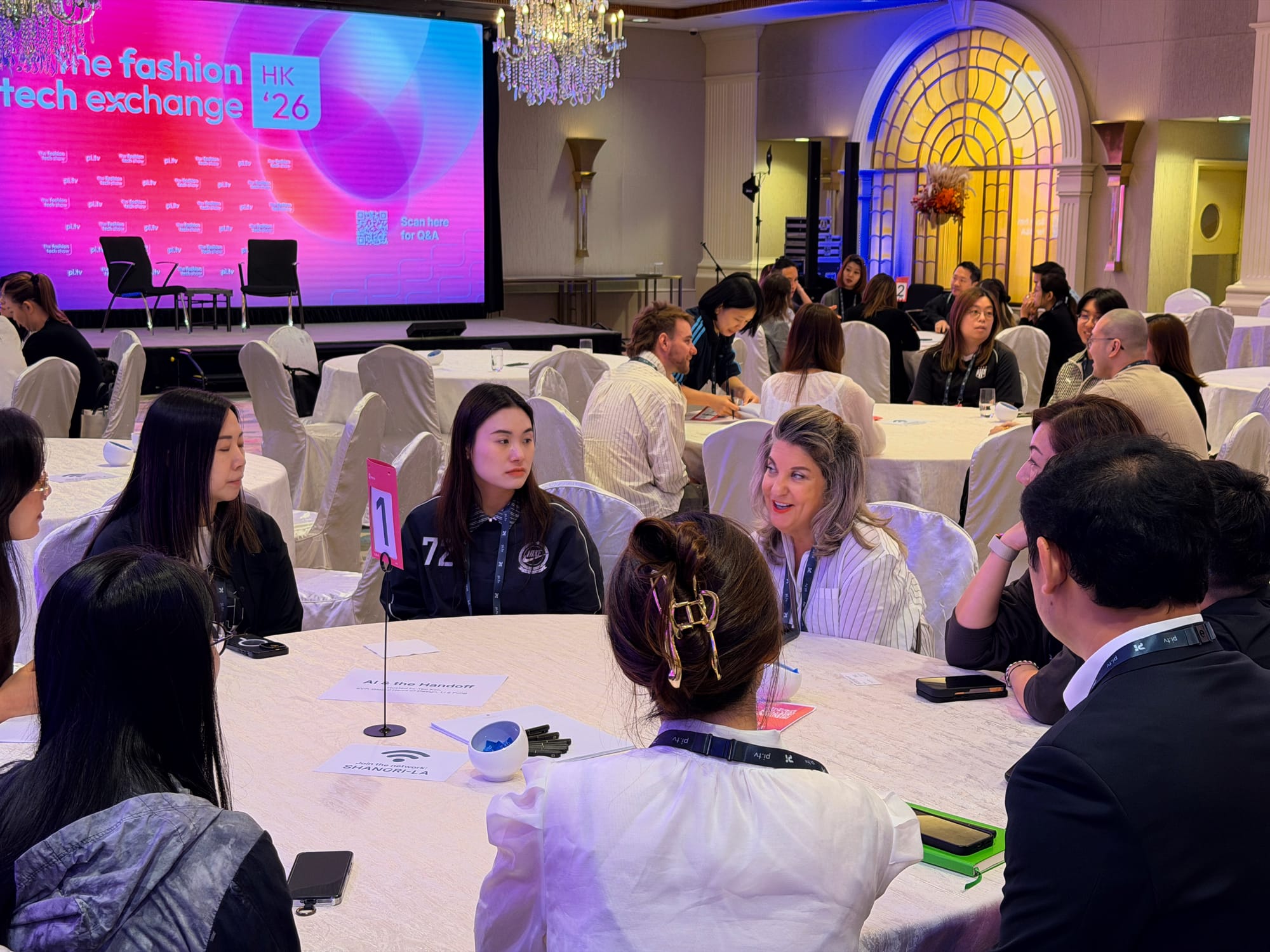
It isn't only a close-to-body problem. One of the morning roundtables found the same gap in materials. Digital materials were built to support simulation and draping, not the way brands actually choose fabric. Hand feel and functional performance often decide a selection, and today's digital materials convey neither well, so replacing physical swatches is still a distant prospect.
3D’s headline promise, fewer physical samples, came under fire too. Wong said some brands ask for digital and physical samples in parallel, so the factory makes both. Top Form now tracks, customer by customer, whether digital is actually replacing physical, and questions the investment where it isn't. Participants at the talent roundtable shared the doubt more broadly: 3D asset creation, they felt, is still too slow to justify the investment against the value it delivers. H&M's Lamberto Tarin, Area Business Manager, questioned the measure itself: "Is saving one or two samples worth it if the product is not going to sell as well?" H&M would rather judge development by what customers like.
Knowledge is knowing that a tomato is a fruit. Wisdom is knowing not to put it into a fruit salad.
— Cecilia Chan, Legend Swimwear Factory
III. Give AI a Job Description
Since AI started dominating the industry conversation, what has changed in day-to-day work? The answers were more mixed than you might expect.
For some, the honest answer is not much yet. At her morning roundtable, Yeo Kim, EVP and Global Head of Design at Li & Fung, was surprised to find that most of the companies at her table, including some well-known, innovative sportswear brands, still barely use AI in their core processes. For most, it means help with emails or light research. Many had come to the table hungry for real examples of how others are using it. A few are piloting AI agents, and all were eager to do things differently, but for now they looked more ready for change than changed.
At the other end of the scale, Kate Padget-Koh, Chief Supply Chain Officer at SQUATWOLF, described a business that has gone heavily into AI across many functions. Yet it still won't sign off final fit without seeing product on a model, and its sample numbers have gone up, not down. "Product is a very emotional, visceral, tangible thing," she said. AI speeds up the data-driven tasks, but the garment still has to look good at the end.
Where AI is clearly working, it sits on solid foundations. Caglar described H&M using it to flag shipments missing customs or regulatory documents before they leave, a check that used to rely on people who, at H&M's volumes, would occasionally miss one. "AI can only amplify what is in the foundation," she said, though she still compares early AI to a junior assistant, something you mentor through trial and error. At the afternoon roundtable on AI in supply chain and manufacturing, supplier onboarding and document validation were also among the uses participants said had quietly worked.
What AI is being asked to do is another matter. For Wong, the first question should be whether it makes a better product for customers. Chan agreed, then pointed to the one that tends to follow close behind.
A lot of the time when brands come to factories on AI, the second question is: what cost can I save? What can I remove from the process?
— Cecilia Chan, Legend Swimwear Factory
Behind that question, she argued, sits an agenda nobody says out loud. With the commercial pressure to be cheaper season after season, AI gets added as a way to cut, and often what's being cut is people. That, she suggested, is why so much of the pushback against AI is really pushback against replacement, and why manufacturers feel it so keenly. The industry ends up tripping over itself without agreeing what it actually wants AI to achieve. Her plea was to anchor it in a clear business outcome rather than "throwing AI around as the next fun and sexy thing to talk about".
For Tarin, by his own account "the AI guy" in his H&M office, the answer is to automate the repetitive work where people add no value, then put the saved time back into working with suppliers on the product.
The other risk is sprawl. Sauer said every organisation has its cautious realists, worried about duplicate tools and double entry, and leaders need to let people experiment without losing sight of where tools add value. The afternoon AI roundtable was blunter, predicting a future IT mess of AI-generated code nobody can maintain, and a sprawl of micro AI tools that are hard to scale. Each one is another join in the thread.
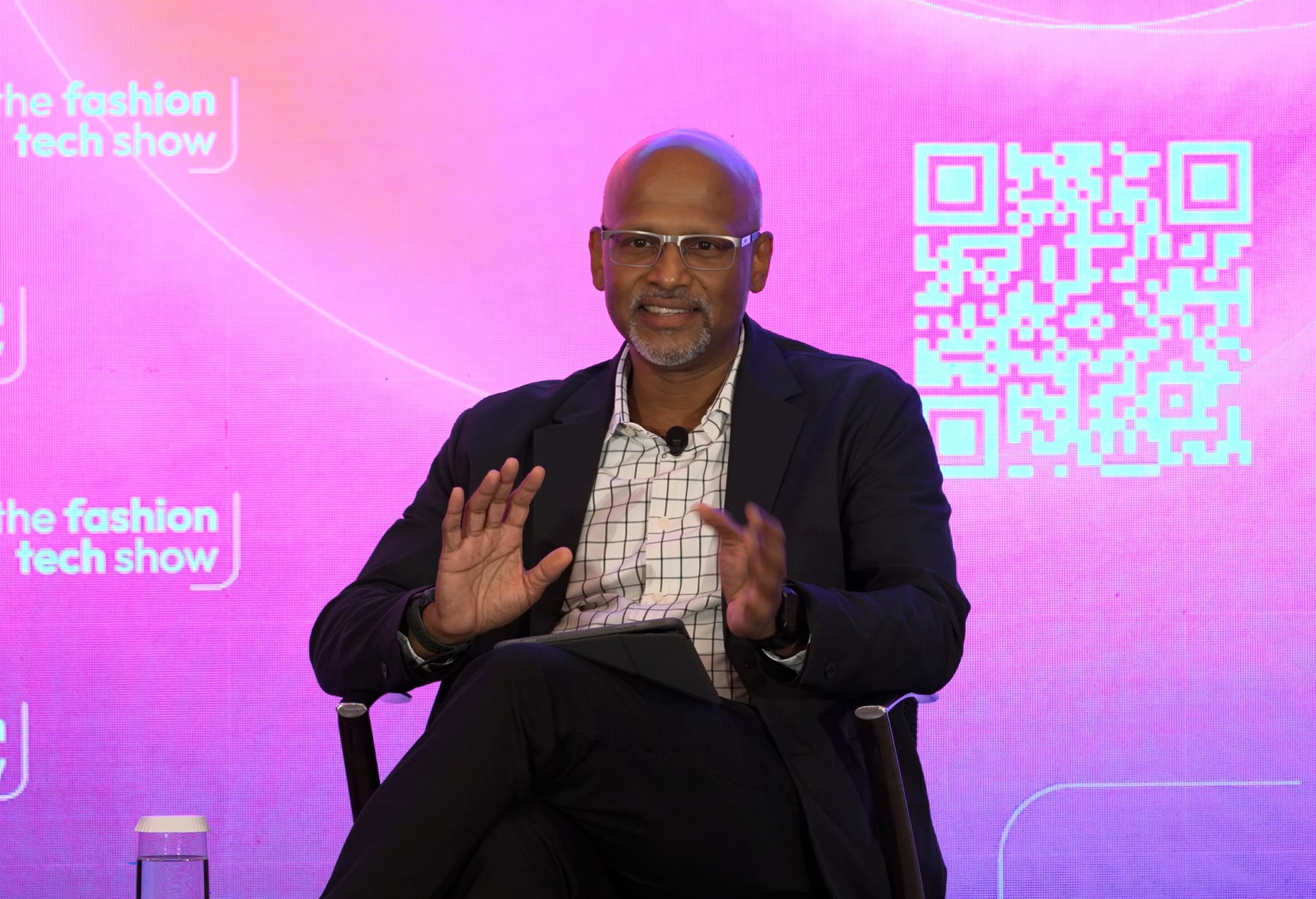
Even the models haven't settled, which matters for anyone hoping AI will simply fix interoperability. Edwin Keh, Chairman of Fast Fish Fashions and a faculty member at Wharton, pointed out that there are a dozen large language models in the West and nearly a hundred in China. "We are still in the shakeout phase," he said, likening it to VHS versus Betamax (with apologies to anyone too young to remember). The industry doesn’t need hundreds of models; it needs them to shake down to the few that everyone can build on.
IV. Faster to the Wrong Place
Speed has been fashion tech's favourite promise for years. In New York earlier this year, we here at Seamless called it a myth. Speed comes from rebuilding the process, rather than from buying a new tool. Hong Kong took it further. If everyone ends up with the same tools, speed stops being an advantage at all. Where does the edge come from? The room's answer was knowing what to make in the first place.
If you don't have intelligence, speed is just helping you get the wrong product to the wrong place faster.
— Edwin Keh, Fast Fish Fashions and The Wharton School
By intelligence, Keh meant understanding demand. The industry, he argued, has spent too long on the supply side of the supply chain and not enough on why people buy, including giving them peace of mind that nothing terrible sits behind what they're buying.
Alex Thomas, SVP of Product and Production Operations Management at Caleres, has seen speed backfire. His teams have occasionally reacted so fast that what they chased turned out to be a micro-trend or fad. Thomas also warned of "algorithmic blandness". Generative tools learn from historical data, so they tend to miss the things only people bring: a genuine cultural breakthrough, a contrarian bet (he pointed to Gucci) and an instinct for what's right for your own brand.
Kim described the balance as art and science. Data, which no one can afford to ignore, informs the decision. A person who knows the customer and the product still makes it.
There was a creative warning too. Padget-Koh said the market has been through a stretch of "really dull product". She linked it to Covid, supply chain shocks and rising interest rates making brands risk-averse, while younger Chinese brands move fast and use technology to do it. Chan added that when cost is always in the room, "it's the last thing a designer who's trying to innovate wants to hear".
The consensus was to put the time technology saves back into the product. Thomas wants it invested in "the art space" of materials, durability and wear testing. "At the end of the day, people want beautiful garments and shoes."
As Sauer summed it up, you need to know how to accelerate, but you also need to know where the brake is. (Yep, another car metaphor. They love it.)
V. Brand at the Top? That’s So 1990s
At Caleres, the footwear brands that get it right send their designers to the factories in China for around six weeks. Thomas, whose portfolio covers 14 brands, said those designers iterate side by side with factory teams until the product is finished, learning the constraints without the endless back and forth.
Footwear raises the stakes. An apparel item averages five or six components; a shoe can have 30 to 40, plus tooling and moulds, so a single change can cost $25,000 to $50,000. “You can make a beautiful sample,” Thomas said, “but getting it into 100,000 pairs of mass production, that’s where the challenge happens.”
The closing panel wanted designers working alongside factories to become normal practice. Manufacturers increasingly know more than brands about materials, construction and engineering, and that knowledge should shape design from day one rather than just carry it out at the end.
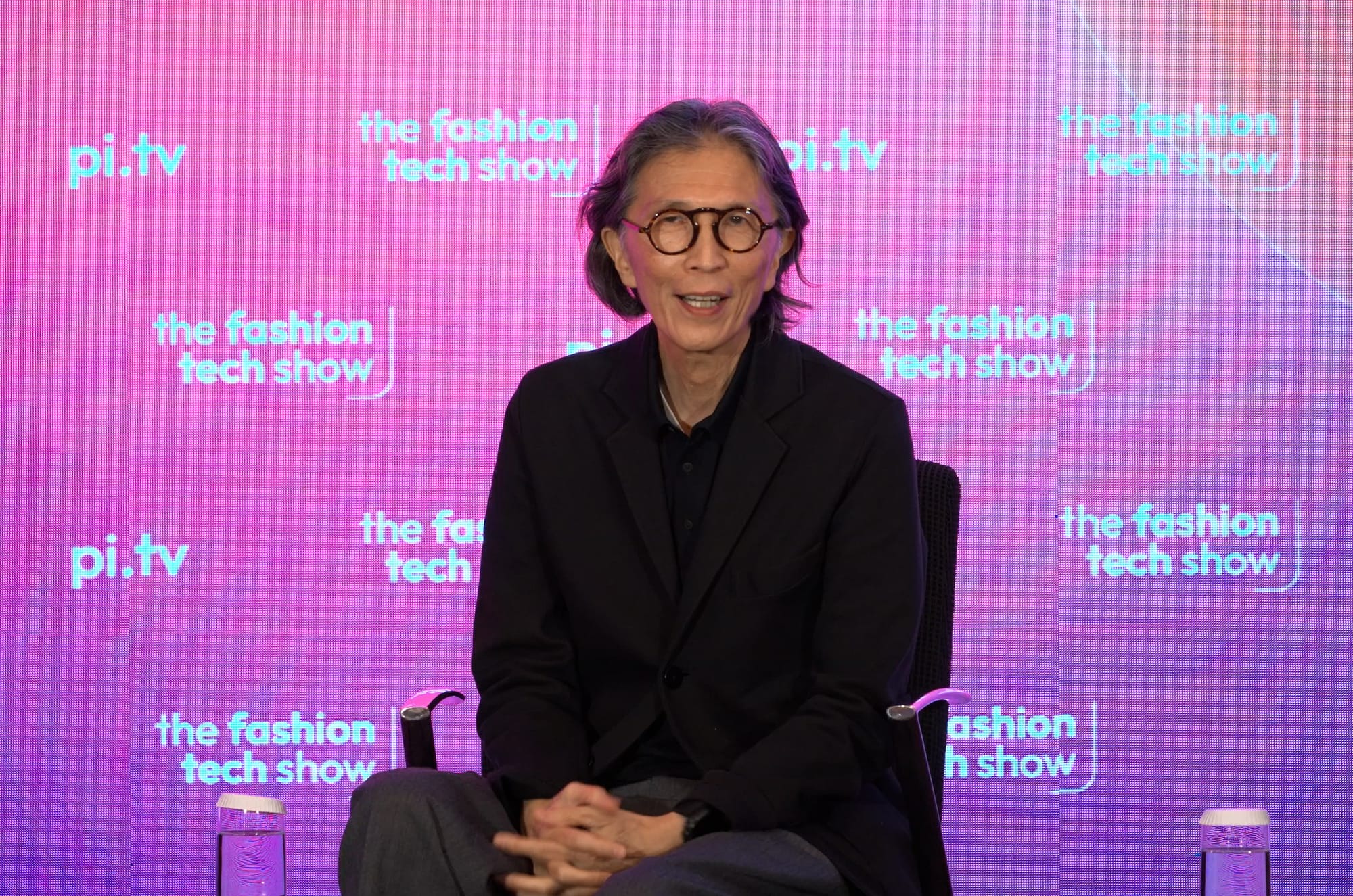
Keh argued that the old brand-at-the-top model is long over. Suppliers run the physical supply chain. They largely finance it too, since brands pay only once goods sell. And they hold half the data supply chain, because they know where materials and finished goods actually are.
That hierarchy hasn't existed since the 1990s. We act like it's still there.
— Edwin Keh, Fast Fish Fashions and The Wharton School
His diagnosis is that brands have outsourced everything that isn’t consumer-facing, and with it the knowledge of what’s possible. Designers, he said, should start with technical knowledge rather than leaving the manufacturer to solve the problem. Kim agreed; designers need to think like product developers, and product developers need to understand design intent. Having worked with some 200 retailers and brands, she can see the difference.
Her closing advice is one any design team could pin above their desks: “Stay curious and open-minded, because there’s a tremendous knowledge in the supplier base.”
VI. We Don’t Work for Data
Factories build 3D files, upload them and never hear what happened to them. Brands run PLM systems that suppliers log into but don't really live in. Who owns the data once it crosses the line? Wong reframed the question.
For me, it's not about the ownership of the data, but the ownership of the outcome.
— Joyce Wong, Top Form Group
Brands bring the design intent, fit standards and customer requirements. Manufacturers bring the expertise in patterns and fit. Responsibility, she argued, has to be shared.
Chan explained why ownership gets so tangled. The brand owns the style, the mill owns the fabric, the factory owns the paper pattern, and the avatar usually belongs to a third party. Meanwhile her merchandising team gets so bogged down in data entry and validation that product suffers. "We don't work for data," she said. "I want to get on the product. That's the fun stuff."
From the brand side, Tarin described a setup where H&M's tier 1 and tier 2 suppliers own their data inside its PLM. They build their own material libraries and enter open costing and bills of materials, with H&M doing the final check. He was candid about what isn't fixed yet: suppliers often still key the same data into their own systems as well.
Then there's the bill. Brands want the data, but as the opening panel's brief put it, the side that funds digital infrastructure rarely sees most of the return. Tarin's answer was win-win investment, backed by a long-term commitment so suppliers can be confident of getting their money back.
For smaller suppliers, the bill is multiplied by every customer they serve. Caglar said H&M doesn't expect a small supplier to invest like a large one, as long as it shows the willingness to improve. But Kim pointed to the bigger problem: each brand brings its own testing requirements and its own systems, and small suppliers are expected to invest in all of them. Standardising even some of those processes, she argued, would make it far easier to bring them on board.

VII. You Can't Depreciate Payroll
For Wong, the first challenge at Top Form is mindset. Intimate apparel depends on expert pattern makers and fit technicians, and "without them, even though we have the technology, it doesn't work". The way to win over brands, she said, is with measurable results: fewer sample rounds, shorter timelines, less waste. Caglar described H&M's teams moving from chasing information to orchestrating it, which means rethinking roles and upskilling. Asked about her biggest struggle in five years, she didn't hesitate. Legacy and mindset. At her PLM roundtable, Bessie Peppas, VP of Supply Chain Services at Caleres, heard the same verdict: change management, more than technology, is still the biggest hurdle.
On the closing panel, Keh put forward what he called a testable theory. The biggest barrier to change is middle management, people who have worked hard to get where they are, can see retirement, and would rather make it "the next guy's problem". Kim pushed back. Young digital natives are tech-savvy, she said, but experience is the one thing AI can't learn on its own. Thomas settled somewhere in between. Caleres relies on ten-year associates who make beautiful product and on 25-year-olds who are automating yield and costing. "I don't know how I could do one without the other."
Then one delegate asked: when leaders are rewarded for cutting costs, how can employees trust that AI programmes are for their benefit? Keh’s answer was frank:
You can depreciate hardware, you can depreciate investments. You can't depreciate payroll. Companies are making a choice today to reduce the payroll to pay for the technology investment. That’s the hard reality.
— Edwin Keh, Fast Fish Fashions and The Wharton School
His prescription was "stubborn optimism", paired with a healthy paranoia about reskilling every year. Find where you create value, he urged, and make yourself the choke point the business can't run without. Leaders, he added, owe their teams honesty about what’s coming. He also pondered what role Hong Kong, with its buying offices and trading companies, will play in an AI-driven supply chain. His is answer was its networks. When something goes wrong, problems still get solved by knowing someone who can help.
The Thread Is Closer Than Ever
What separates the organisations getting this right from everyone else is a clear vision, communication that keeps going when plans change, tech and business pulling together, the wisdom to pause, and metrics you can actually measure. Not one of those is a tool.
The thread is closer to holding than it has ever been, and the tools to finish the job already exist. Hong Kong’s advice was to decide what each one is for before buying the next.
Leave the Porsche in the garage until the journey calls for it.
The Fashion Tech Exchange returns to Hong Kong in 2027.