


A few years ago, a woman stood beside her burnt-out car and showed that the Stanley cup inside had survived the fire, with her drink still cold. Stanley's CMO at the time decided the company would buy her a new car. Soon, a brand built over 80 years on ironworkers and construction crews belonged to mom groups and TikTok. At the height of the craze, said Scott Lux, VP of Digital Commerce at Stanley 1913, one product, the Quencher, made up 80% of sales.
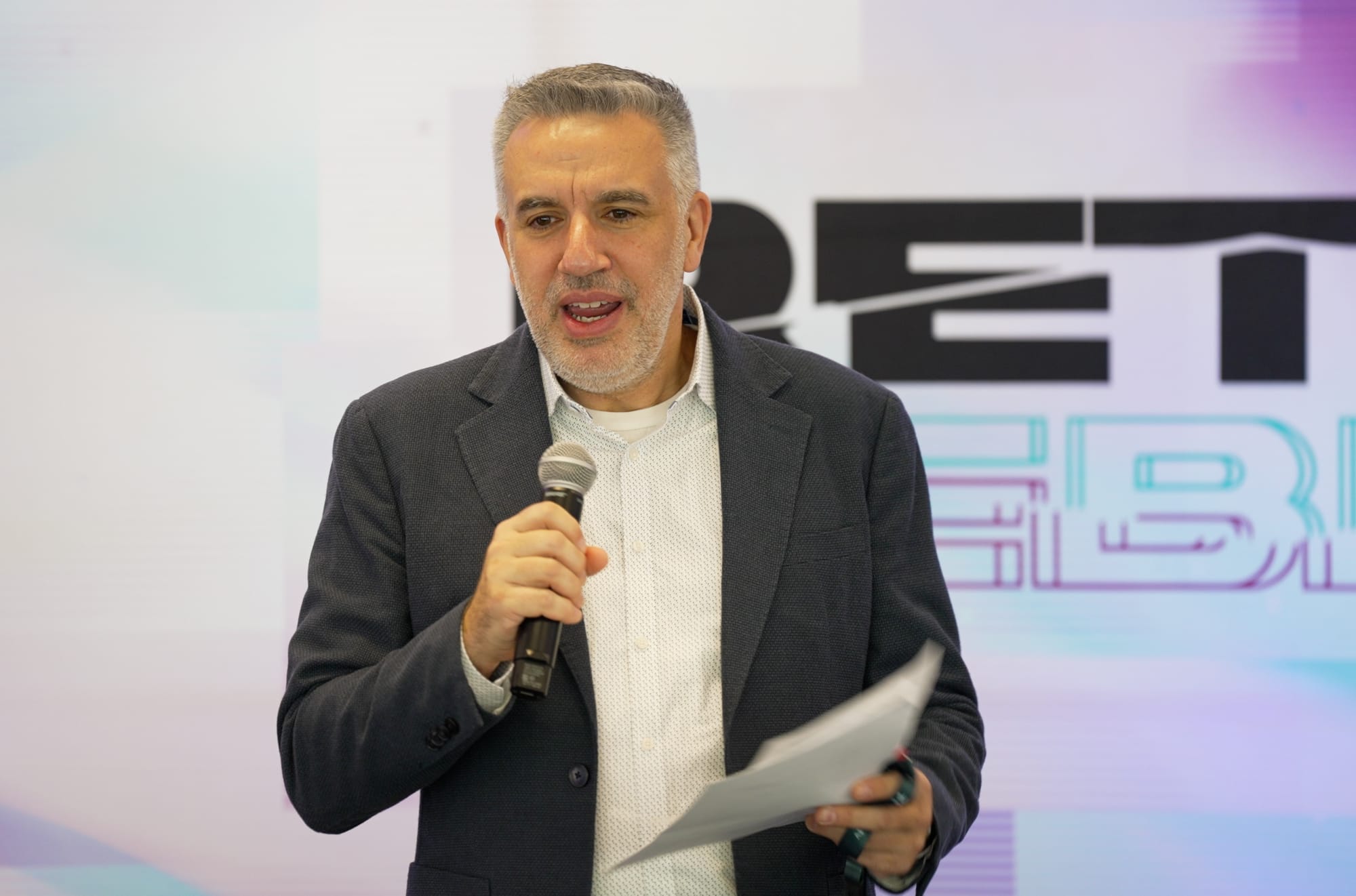
It was the first story told at Retail Rebels 2026 in New York, on a panel called 'Your Customer Has Left the Building'. By the end of that panel, Lux had rejected its title.
No, the customer hasn't left the building. There are just more 'buildings' you have to participate in.
— Scott Lux, Stanley 1913
Event chair Dominick Miserandino of Retail Tech Media Nexus called it the line of the morning, and it held for the rest of the day. Customers now find brands on TikTok Shop, in Facebook groups, through ChatGPT, at resale counters and, more and more, through AI agents that shop for them.
Each of those 'buildings' has its own rules, and several of them barely existed five years ago. Here's what the day's speakers have learned about reaching customers there, and about the work it takes behind the scenes.
I. Stop chasing viral
Lux doesn't expect Stanley to get that viral moment back, because the platforms have changed underneath it. TikTok Shop is now a closed ecosystem, Meta is building its own shopping, and Stanley is testing Whatnot. So on social platforms, Stanley no longer tries to pull shoppers back to its own site. It gets product to creators and lets people buy wherever they already are, and it still does a lot of work with creator platforms and the Facebook mom groups out of Utah. A creator filming a cup in their car, he said, shows off the colourway and gold trim in a way stanley1913.com never can.
Stacie Henderson, CEO of Beauty 4U and former CMO of Tod's Group, had less patience for the whole idea.
If I'm in one more meeting and someone says something about going viral, I swear I will punch them. And I am not a violent person by any means.
— Stacie Henderson, Beauty 4U
Marketing is lots of things working together, she said, and a forced moment just looks gimmicky (or 'cringey', according to her teenage sons).
Erica Sersen, Chief Product and Innovation Officer at EBY and formerly of Calvin Klein, reads any spike alongside the brand's DNA, wider trends and what competitors are doing.
They say when the tweens like your brand, it's the kiss of death, right? And so how do you then continue to be relevant? … If a viral moment indicated where a brand should go, I think it would just be a lot more simple. And it's really not.
— Erica Sersen, EBY
What replaces the chase is less exciting. Lux's answer is a content strategy, by which he means a plan for how content should work in each channel and whether it's selling the brand or the product. He called it the hardest part, and the one brands most often skip. Stanley has also built out its range around how people actually use it, from a bottle that fits in a commuter's bag to a shaker for protein powder after a workout, so the business no longer hangs on one cup. Henderson's advice is to create experiences that make sense for your market and see what happens.
When a moment does land, the job is being ready to ride it, and some of that sits with the supply chain. Bryant Vitanza, COO of cooling apparel brand Mission, has his team work out what it would take to produce in 15 days if a product took off. Emma Reid, GM Planning at Happy Socks, doesn't count a viral moment as long-term revenue. To her, a factory that can turn around 300 units in two or three weeks to keep it going is worth as much as a long-term supplier of basics.
The brands handling this best have stopped treating virality as a goal. They build the content plan, the range and the supply chain, so that if a moment does come, they can keep up with it.
II. Let people feel it
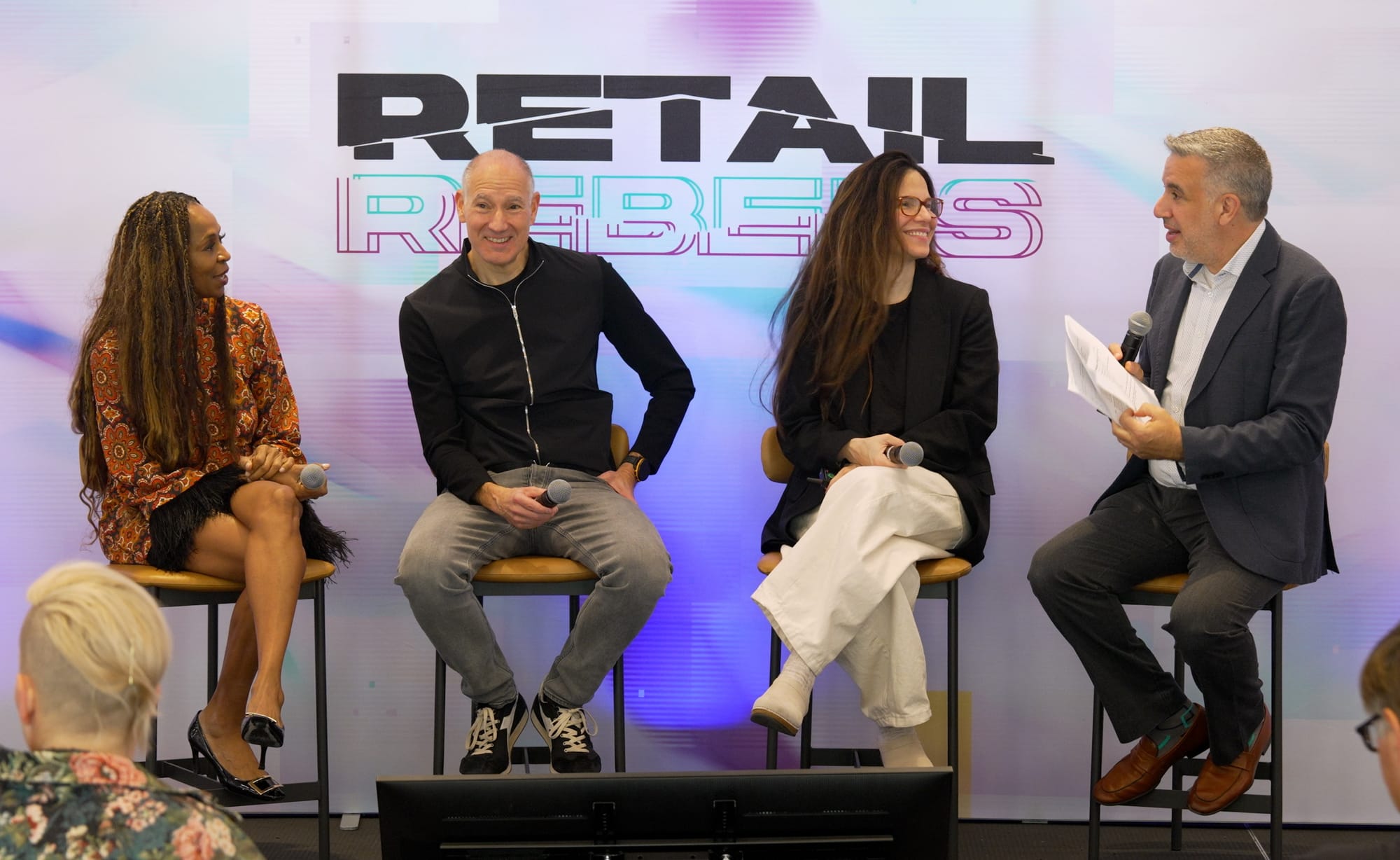
Vibram has more technical detail to talk about than most. It makes the outsole glued inside someone else's shoe, and it has never owned the shelf, the checkout or the customer data. Fabrizio Gamberini, President of Vibram Corp and Global Chief Brand Officer, described the company he joined as the industry's best-kept secret. Even now, only around 27% to 30% of shoppers at a footwear wall recognise the brand.
For years, he said, Vibram talked like an engineer, in abrasion rates and durability ratings. Within his first six months, market research made it clear that only specialist runners and hikers were listening. So the message changed. Now it's about getting to the end of the New York Marathon in the rain without falling over.
If you want to communicate to the consumer in the right way, you need to get them in their heart. You need to get them in their soul.
— Fabrizio Gamberini, Vibram
At retail events, Vibram sets up a marble ramp at around 45 degrees, pours water on it, and lets people try to walk up it with and without Vibram soles. Without, he said, you fall. The same ramp is used to train the sales teams at Nike, Hoka, The North Face and more.
Vibram's 15 Connection Labs around the world bring footwear designers and developers in for events, and every lab has a kitchen. Food takes up a good 30% of any meeting there, which Gamberini puts down to Vibram being an Italian company.
An Italian brand once offered Vibram an order of a couple of million outsoles, on condition that the logo came off. Gamberini turned it down, because partners like Nike do most of the talking about Vibram, and the wrong one means someone else telling the story badly. Saying no, he admitted, means you "cry at the same time, because you are losing business."
Henderson described luxury in much the same terms.
Quality and craftsmanship, that's the baseline. But in addition to that, it has to stand for something, and it has to resonate with what you stand for as a consumer. The secret sauce in terms of keeping things fresh is staying true to that DNA, telling that story over and over again, but then sprinkling a little pixie dust on top once in a while.
— Stacie Henderson, Beauty 4U
At Tod's, the everyday version was a programme for top-tier clients that beat its growth target while spending very little: hockey games from the owner's box and dinners where clients met the designer. The pixie dust came in the Hamptons. To celebrate Tod's icons, she flew in artisans from the brand's Italian factory to stitch shoes in front of guests, then booked Salt-N-Pepa for a 100-person dinner to mark 50 years of hip hop. It nearly got her fired, she said, but it earned around two billion impressions, an audience she reckons Tod's could never have afforded to buy.
Both brands treat the spec as the starting point. What moves people is the chance to feel it for themselves, whether that's on a wet ramp or at a dinner table beside the artisans who stitch the shoes.
III. Resale still needs a room
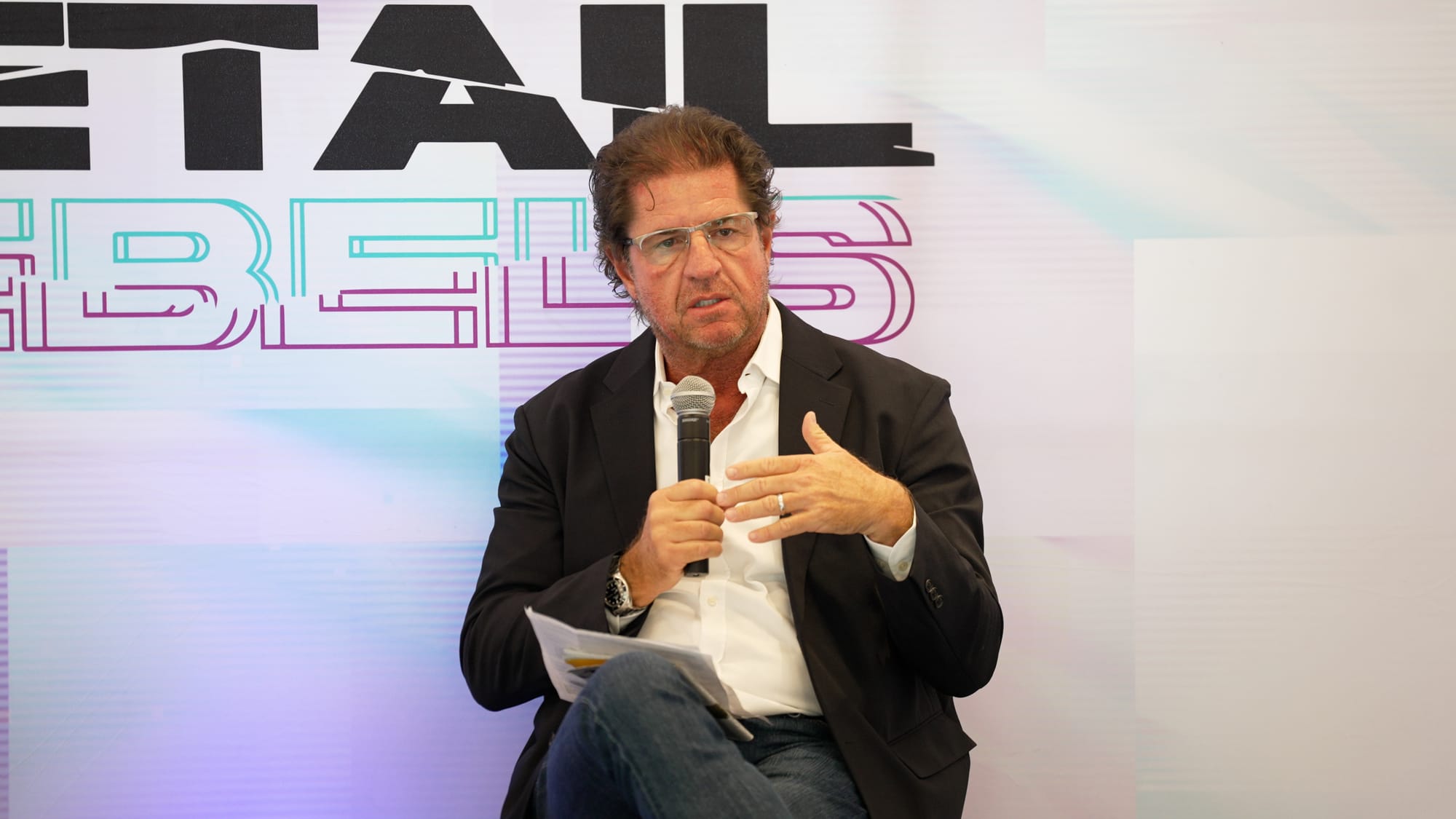
Angela Dotson, SVP Retail and Client Development at Fashionphile, spent years at Chanel sitting in meetings about how much the brand disliked resale. Then she visited Fashionphile's San Diego facility and found restoration teams, gemologists and watchmakers working in-house. Resale, she told Marie Driscoll of Parsons The New School, can be done "with such incredible respect for those brands."
That respect starts with authentication. Fashionphile buys everything outright rather than on consignment, so one mistake can ruin the company. Founder Sarah Davis spent years building a library of brand information, down to binders covering every shade of green Hermès has ever made.
Fashionphile started online, but buyers still worry about the scuff the photo missed or the pen that leaked inside. In its stores, the average order value is double what it is online.
When you walk into a space where you forget that it's resale, but it's just really beautiful product, it just changes everything.
— Angela Dotson, Fashionphile
A seller can hand over their bags and browse the local stock on an iPad while their pieces are authenticated, and anything they want to see arrives on a conveyor belt. Visits often run past an hour. Even Lux, whose brand has no stores of its own, called physical retail the best expression of a brand for those that have it.
Neiman Marcus showed the luxury brands what's in it for them. After its 2019 investment, Fashionphile ran buying studios in ten Neiman Marcus stores, paying sellers in gift cards worth an extra 10%, and much of that money went straight back downstairs to the same luxury brands. Those studios are now full Fashionphile stores. Dotson thinks that loop is why the brands are softening on resale. The bags will outlive everyone in the room, and selling them frees up closet space and cash for the new collection.
Fashionphile built its scale online. The trust that doubles an order is being built in its stores.
IV. The cheapest country is no longer the best one
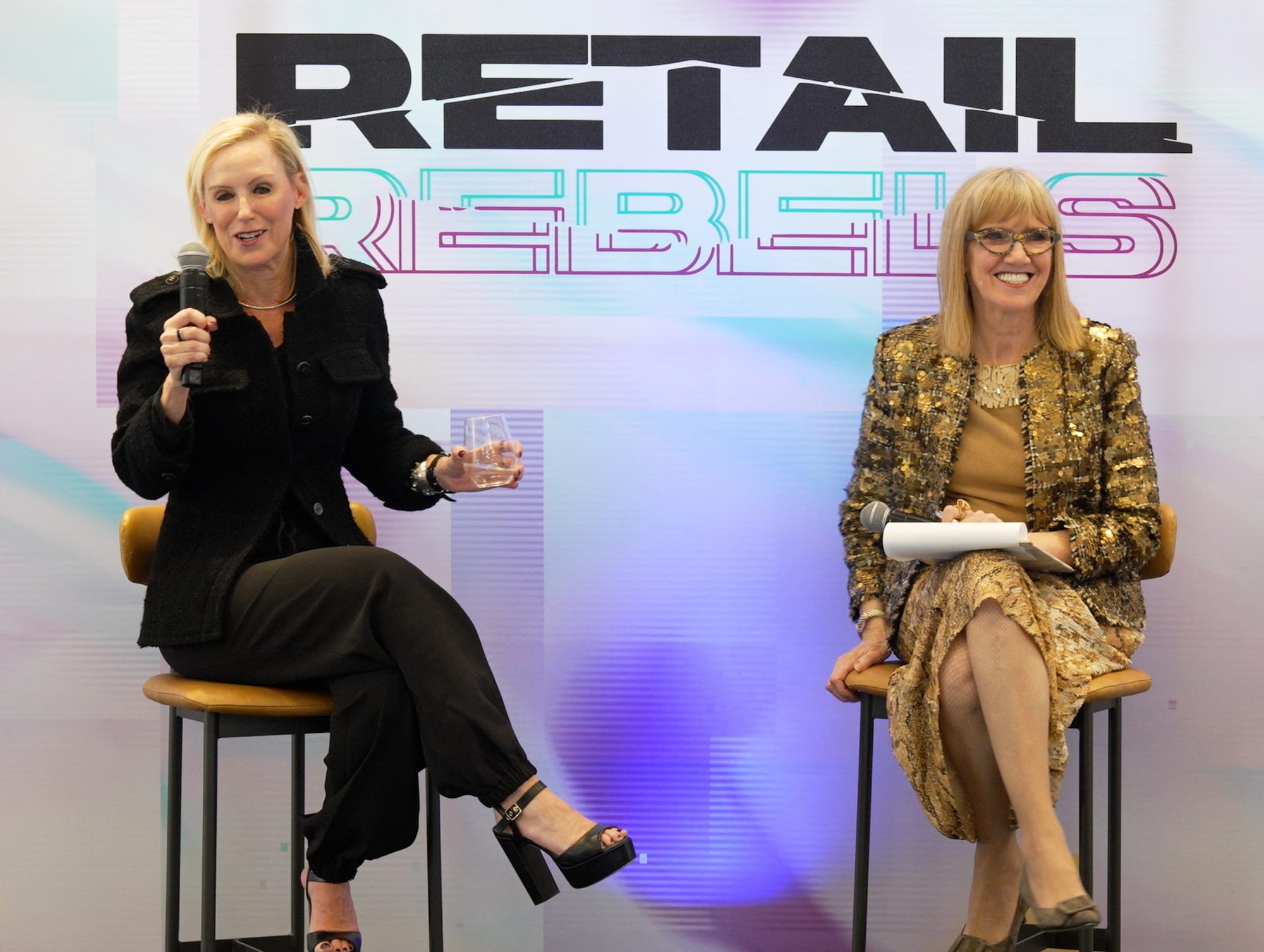
Tariffs used to be one line on a costing sheet. Yelena Mogelefsky, SVP of Production and Sourcing at Komar Brands, said sourcing is now the first conversation, before design and procurement go any further. It has even reached retailers: her team now discusses with buyers how costs might change after the purchase order has been placed, which she'd never seen before.
The cheapest country is no longer going to be the best country.
— Yelena Mogelefsky, Komar Brands
Mogelefsky used to be proud of a narrow, deep supply chain built on being a big customer to one factory. "Everything I did in 20 years has completely changed in the past five." Moving isn't simple, though. A bra has 32 components, and every one has to reach the new sewing line colour-matched, then go through a new fit process. She thinks the blanket rush away from China was a mistake, and that the decision should be made style by style. Her advice for the next 90 days: pay now to get fit and lab approval at a backup factory, so you can move quickly if you have to. She'd also look for savings before production even starts: market samples in every colour, courier costs and the twelfth lab dip all end up in next season's FOB price, and 3D is where she'd cut them.
Vitanza keeps options open by breaking production into six or seven decision points, rather than one big commitment when a purchase order lands. He might commit to greige fabric capacity early, for example, and decide later what it becomes. Suppliers are brought into those plans far earlier than before, and Mission is already talking to them about 2028 and 2029. Writing down exactly what Mission's supply chain could do, he said, changed his conversations with the CEO about new categories and what-if scenarios. Retailers, meanwhile, are more willing to share the margin hit than they used to be, because they're nervous about crossing price thresholds like $30 or $40.
Jami Pinto, CEO of Essato & Co, led product and supply chain at Abercrombie & Fitch, Under Armour and FIGS. Factories used to be chosen for how well they made the product, she said. Now cost and supply chain come first, and her priority is moving tier two and tier three suppliers closer to her tier-one factories, mostly to cut shipping costs.
You're just trying to mitigate the hits that you're going to take.
— Jami Pinto, Essato & Co
Reid, who moderated the panel, argued for what she called murky transparency with suppliers: you don't tell a supplier you're short of cash, but you might ask whether a payment plan would work.
Nobody on the panel had a way round tariffs. What they had were more chances to change their minds, and suppliers who already knew that might happen.
V. Map the process before the pilot
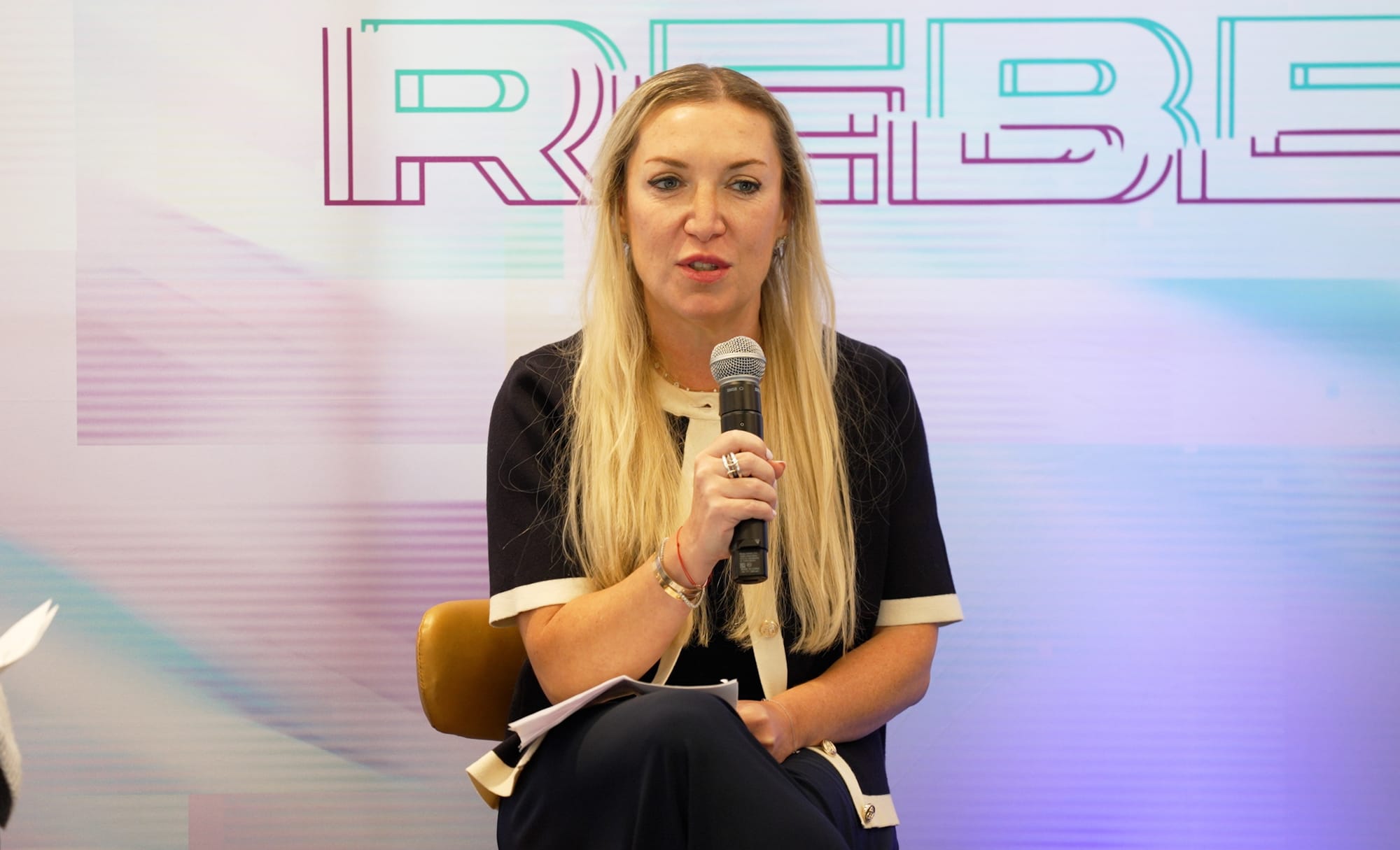
On 'The 95% Problem' panel, Dave Christy, VP of Enterprise AI at SWIM USA, said a failed pilot usually means three things at once: poor adoption, no impact on the P&L, and a pilot that never leaves the pilot stage. With more than 65 brands in the group, his team now runs three checks before anything starts:
- Can it get the output right every time? One current pilot turns a designer's signed-off illustration straight into a tech pack the factory can use.
- What does success look like beyond minutes saved? For the tech pack, it's the factory getting it in two weeks instead of six.
- Do at least half the teams do this task the same way? If not, they'd be automating one person's habit.
Above all, he said, map how the work really flows. The org chart says designer, product manager, pattern maker, factory, but talk to the teams and there's usually someone else in the mix.
You can't just take an existing messy process, or something that isn't documented, and drop it into AI and it's going to solve it.
— Dave Christy, SWIM USA
Meg Ball, AI Innovation and Creative Leader at Centric Brands, admitted she'd been "very burned" by AI tools. When she joined Centric, she was told to deliver the tools. She soon found the job was three other things: the problem, the people and the proof. With around 200 brands, Centric groups its pilots by category, such as handbags, leather goods and beauty, rather than by brand, so the team can see where the bottlenecks sit across the whole group. Lux had made a similar point on the morning panel: he gets pitched AI all the time, and his first question is which problem it's meant to solve.
A pilot Henderson ran at Tod's shows what it looks like when the problem comes first. Her team used to spend a week or two picking which new products to pitch to its top clients. They started giving Gemini anonymised data on their top 100 handbag buyers, along with the current catalogue, and asked what to offer each one. The suggestions came back in seconds, and sales from that group rose by more than 20%. One clear problem, and a number at the end.
Marisa Byrne, CEO of The Office of Us, is pitched two or three AI tools a week. One pilot failed because the tool took longer than the old way of working. She now only talks to vendors that can point to brands already using them, ideally ones built by people who "actually lived it, breathed it."
The panel agreed that whoever signs the cheque also has to give people time to learn. Christy put it as stepping back to move forward: this season may be slower while teams learn, but next season should be faster.
SWIM USA is also building its own tools. It's testing the tech pack pilot as a Claude skill, and lets staff build their own tools with guardrails in Databricks. With one developer and one integration engineer, and no more coming, Christy wants a long queue of ideas from the business. To get people started, he suggests rebuilding a game they loved as kids. Four people have already rebuilt Elf Bowling (a game IT once had to block from every machine in the building). Ball added that security and governance have to be part of that freedom from the start.
Asked for one word on what stops a pilot failing, the panel landed on ownership.
VI. Someone still has to say yes
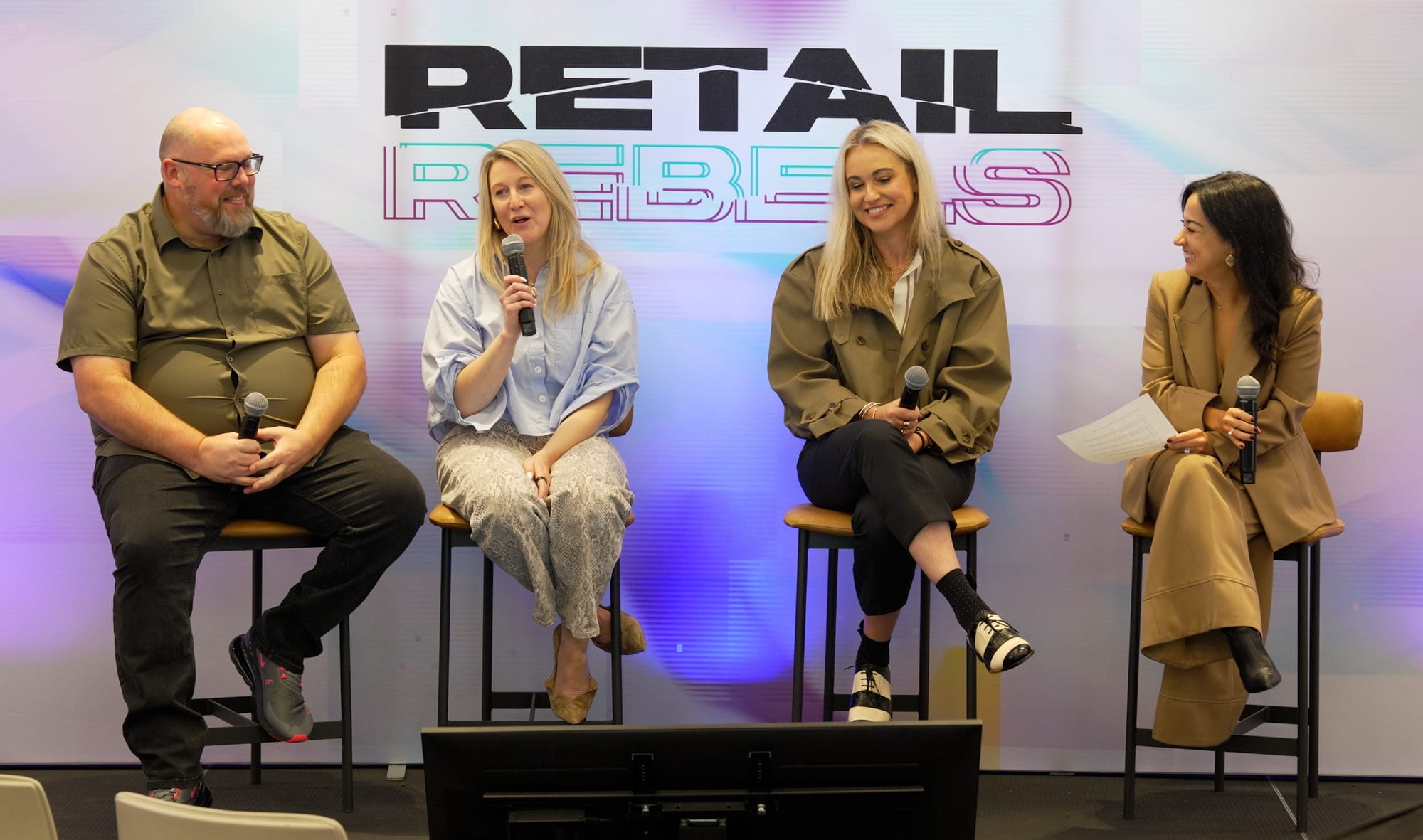
Reda Mjahed, Co-founder and CEO of Uwear.ai, opened his pitch with what AI fashion imagery looked like in 2023, which was barely recognisable as clothing. Two years later, he said, AI fashion imagery is practically solved. The question now is what brands can do that a photoshoot never could.
One customer wanted every outfit in her new collection shown on a model with every matching accessory and shoe, about 96,000 looks. She wanted them for the 'pairs well with' section of each product page, and AI search tools started picking up those images too. At that volume, nobody can check every image by hand, so Uwear has an agent compare each output with its inputs. It once flagged an image with one more button than the original garment, which Mjahed admitted he'd missed himself.
The request he hears most is from brands that want to use AI without it looking like AI. He blamed the gaps in the brief.
Every detail you don't specify, you leave to the AI to fill in the blanks, and it will go to the average.
— Reda Mjahed, Uwear.ai
The average means the same pose, the same background and the same styling as everyone else. His fix is a written art direction, a set of rules (every skirt styled with one particular pair of flats, for example) that an agent turns into prompts. When most brands use the same three or four image models, those rules become the brand's creative IP.
Juliana Vail, Chief Customer Officer at AIUTA, opened by asking the room which products they'd never trust AI to get right. Her own list: denim, where rivets and seams have to sit exactly right; adidas, where the logo and colours can't be a shade out; and lingerie, where skin texture and sheer fabric are difficult and many foundation models refuse to generate it at all. Across 200,000 SKUs a week, AIUTA still has fashion experts check every one.
Botika, presented by founder Eran Dagan, hands the final call to people at two points. Its agents style a whole collection to the brand's look, the team says yes or no to each one, and the agent learns from every answer. Then it tests different looks for the same product on real shoppers, and the winner goes back to the team as a candidate for the homepage. Its customers generated half a million images in September alone.
Shoppers also decide whether they're happy to see AI at all, and that depends on the brand. Sersen said EBY's irreverent tone means it can add AI touches without much worry. Alina Diaz, founder and CEO of Alina Diaz Petite Fashion Design and moderator of the AI pilots panel, found the opposite. She used an AI tool to put a different face on a video from her own photoshoot, keeping the fit of the clothes exactly as it was. Within 30 minutes, a long-time follower told her she was disappointed. Diaz hasn't used AI for content since.
Generating the image is the easy part now. The work has moved to the rules behind it, the checks on what comes out, and the shoppers who decide whether it works.
VII. The agent will find something cheaper
Beauty 4U's first online sales came through ChatGPT before the site was even meant to be live, Henderson said: a hair dryer for a roller set, then a product for a dry, itchy scalp. "I actually called the woman," she said. "I'm like, how'd you find this?" Neither sale cost Beauty 4U anything in marketing.
Lux was more cautious. He doesn't think everyone will shop through an agent, especially for fashion and luxury, but commoditised products are another matter, with Gemini now putting AI answers at the top of search. Stanley is testing, including ads in ChatGPT, whose interface he called horrible for now.
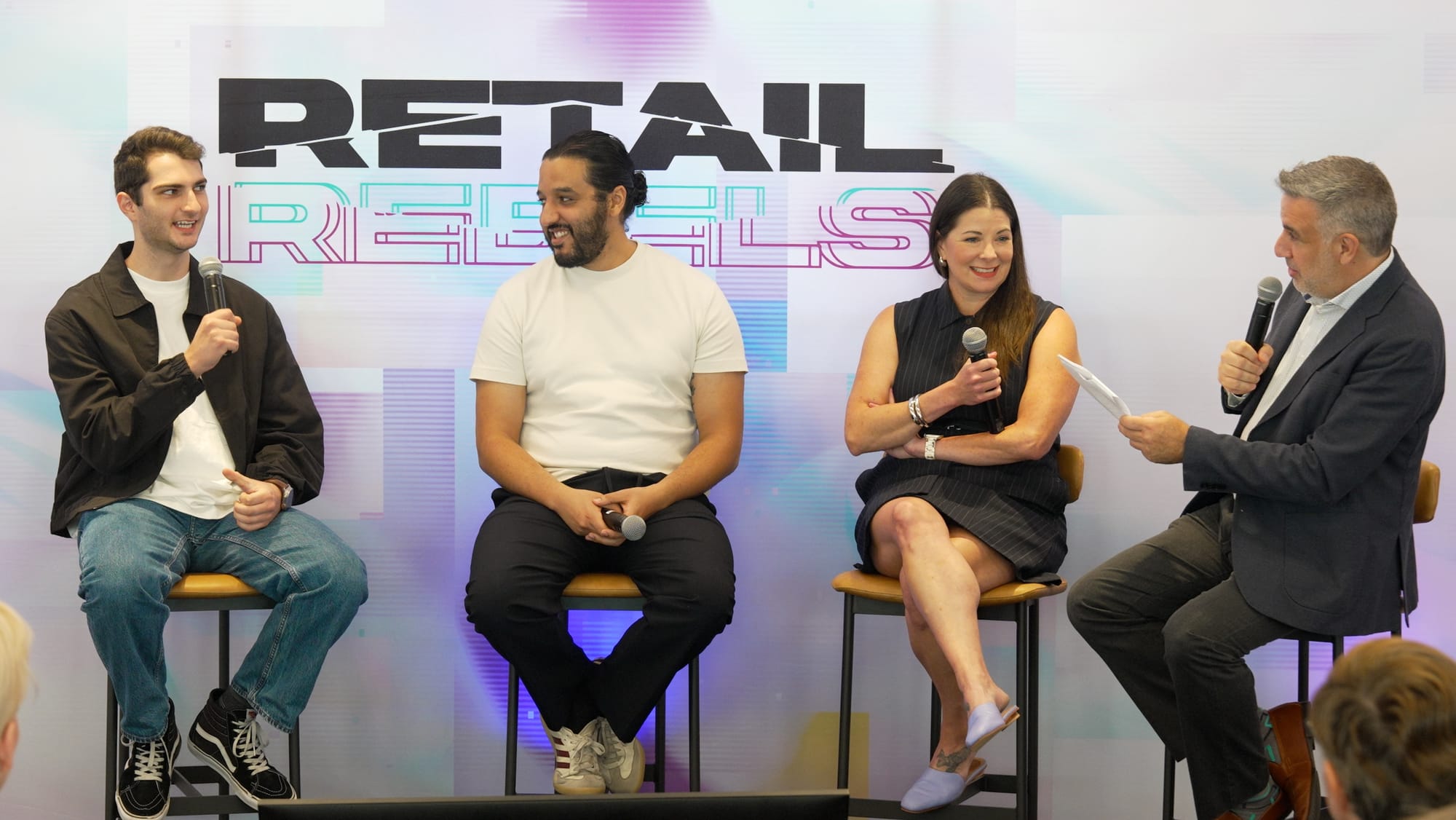
The day's closing fireside asked whether agentic commerce is an unfair advantage or an existential threat. Manuel Neto, Head of Global Strategy Measurement at a wellness and fitness brand and formerly at Capri Holdings, thought existential was too dramatic. Ignoring agents, he said, is just as risky.
Brands are used to tracking every stage of the customer journey. An agent sits in the middle of it and hides most of that from them, while the cost of acquiring each customer keeps going up. The agent owns the interface. What the brand can still own, Neto argued, is the value behind it: what it stands for, and whether that's written down clearly enough for an agent to find. It has to work across all of them, he added, not just one.
If price is your only difference, then the agent will find something cheaper.
— Manuel Neto
He split loyalty into three kinds. Emotional loyalty, where a brand reflects who you are, holds up. Habit and convenience, where you buy from a brand because you always have or because it's cheapest and fastest, are the two an agent can break with a single prompt.
That makes product data matter more than ever, and Neto doesn't think it favours the big companies: smaller brands have fewer legacy systems and can move faster. Clean data isn't the same as the right data, though. At his brand, a generic search for wellness and fitness puts it in a price comparison with everyone else. A specific search, for an at-home bike or treadmill, puts it in the top two, and the number of customers finding it through AI search is climbing fast.
Nor does a brand need the right story for every customer at once. Neto starts with the ones who pay the bills, then works outwards to the new customers he wants to win.
As agents take over the middle of the journey, Neto expects recommendations from real people to count for more, not less. The brands best placed are the ones whose value is clear enough for an agent to pick up, and good enough that people recommend them to each other.
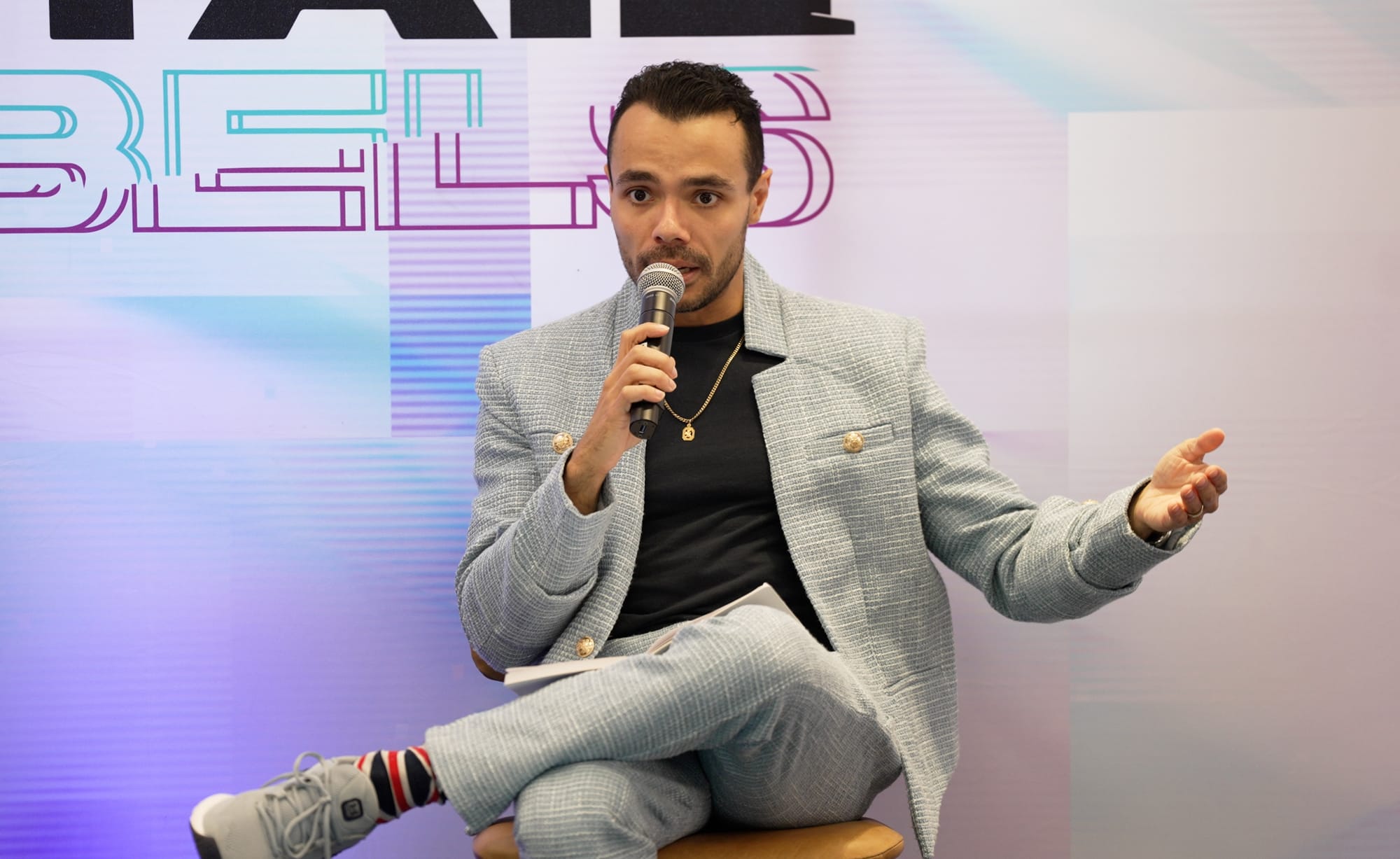
The day's agenda set two ground rules: say what you actually think, and share the number that embarrasses you as readily as the one that flatters you. Most of the speakers took that at its word, from Diaz and the follower who caught her AI video inside half an hour, to Christy and his two-person tech team, with no more on the way.
More 'buildings' means more ways to get it wrong. Creators need product in hand, resale shoppers want to see the bag before they pay, and an agent will only repeat what your product data says.
The customer is still out there. The job is to be worth finding in every 'building' they walk into.