


No plan survives a season intact. Over two days at RE:PLAN Europe 2026, planners listed what had broken theirs: tariffs, typhoons that hit Chinese ports, a heatwave that sold through months of fans in a fortnight and, in Levi’s case, Beyoncé naming a song after its jeans.
As planning, we are always wrong by definition. The good planner is the one that is the least wrong.
— Fabio Brunello, Levi Strauss & Co.
None of the speakers claimed to have cracked the perfect plan. The teams doing best had simply got good at being least wrong: noticing early, correcting quickly, and saying out loud when the plan had changed.
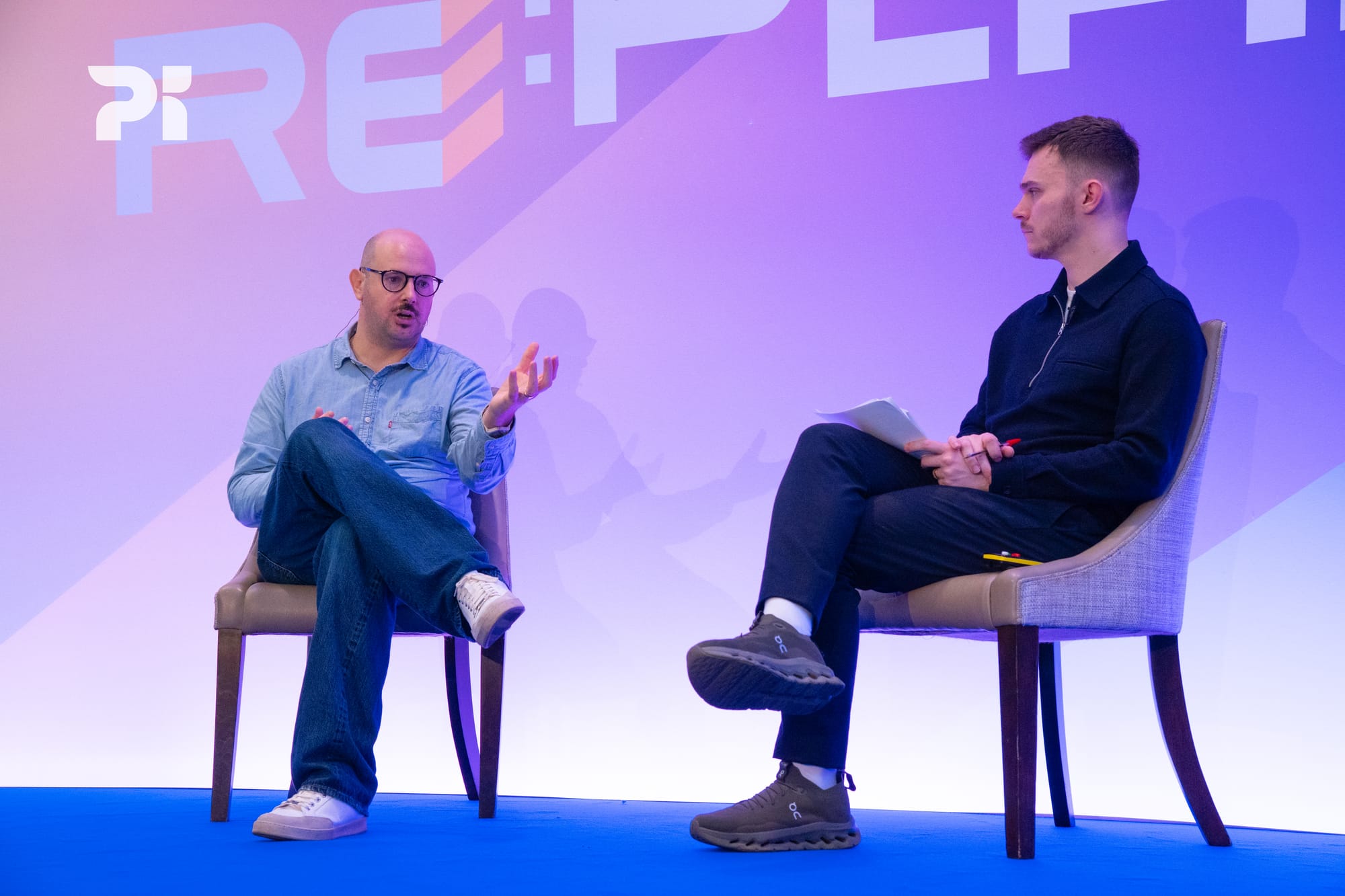
Accuracy is the wrong target
Forecast accuracy is the easiest number in planning to measure, so it often becomes the one planners are judged on. Several speakers argued that this gets the job backwards.
Fabio Brunello, VP of Merchandise Planning and Inventory Management Europe at Levi Strauss & Co., calls accuracy an intermediate KPI. He separates outputs, the work a planning team controls, such as getting a forecast out on time, from outcomes: revenue, markdown and inventory at the end of the season. You can build a great forecast and a strong assortment and still miss if customers don’t buy. Outcomes are owned across several functions, which makes them harder to measure, but they’re the reason the forecast exists.
Fabio Luraschi, Inventory Strategy Manager at GUESS Europe, questioned what extra accuracy is even worth. With tariffs, weather and geopolitics all moving at once, he said, getting from 80% to 85% costs a lot for a number that will probably be revised within weeks.
For Sara Salini, former Global Merchandise Planning Director at Bally, a forecast is the state of the business based on what you know today, and updating it when things change is the job, not a sign it was done badly. In her current role she’s planning a launch two years out, and colleagues recently asked whether her forecast could be more accurate. At that distance, she argued, accuracy isn’t the point. Before committing to a sales number, she wants the business to agree how long the product should stay in store, how much marketing will sit behind it, and how much inventory risk it’s prepared to carry. Finance, she said, needs to be signed up to that risk from the start, because inventory is one of the biggest costs a company has.
Judge a team only on accuracy and it will defend its forecast long after it should have changed it.
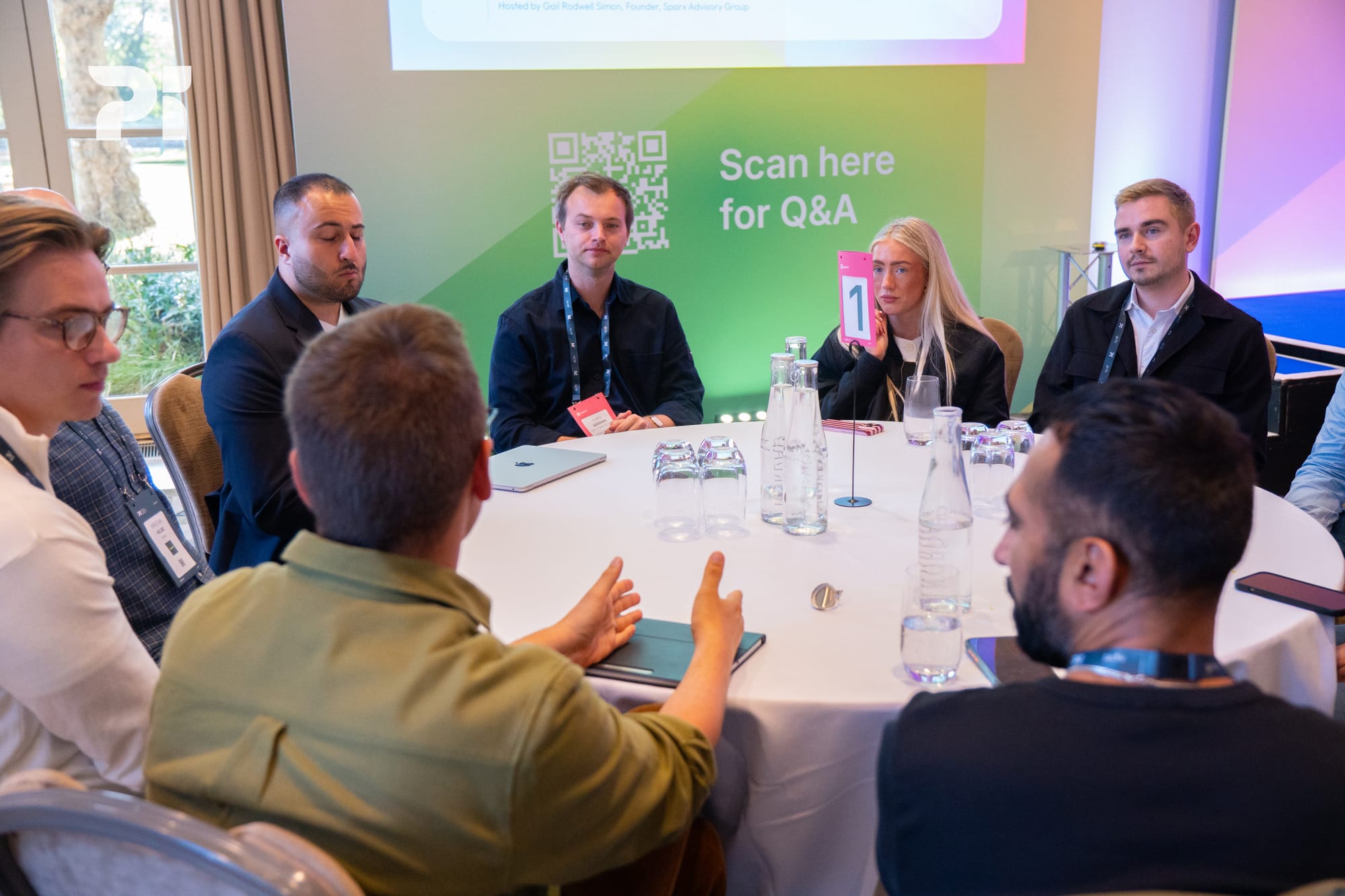
Time the decision, not just the forecast
Asked in a live poll on Day 2, most of the room picked “mostly reactive” to describe their organisation mid-season. Nobody picked “genuinely agile”. If the plan is always going to be wrong, what matters is how quickly a team notices and does something about it.
Are you tracking how much time it takes from a signal appearing to when you take the decision?
— Fabio Luraschi, GUESS Europe
Luraschi suspects most teams can't answer that question, but it's a measure his own team is now starting to build. Last September, two typhoons hit ports in China, and it took four weeks for the impact to show up in GUESS's systems. By then, the chance to reroute stock already at port, or rebalance from vendors, had gone. He now breaks the delay into four stages, timing each one:
- Spotting the signal
- Deciding whether it's real or noise
- Getting someone with the authority to pull the trigger
- Acting on it
Most planning tools, he said, help with the first. The one he worries about most is the third.
In practice, that usually means an email flagging the problem and proposing an action, then a wait for someone senior to give the green light. His fix is to agree in advance which decisions teams can take on their own, and within what limits.
But moving faster only helps if the signal is real. Frances Fountain, Director of Buying and Merchandise Planning at Fabletics, runs three tests before acting on one. First, how much data is there? She recalled a reorder tool at a previous employer that mistook the launch-day spike, when a product sits at the top of the page, for lasting demand.
Second, can the lost sales be regained later? Shorts underperforming in March is rarely a crisis. Third, what does waiting cost compared with getting it wrong? When a seamless scrunch legging sold out in its first couple of weeks, Fabletics chased it straight away, because leggings are its best-selling category and the reorder was in core colours. Sometimes the tests say wait. Sometimes, as with the leggings, they say move faster than planned.
When the signal is still unclear, Brunello favours decisions that can be undone. Moving stock between stores can be reversed next week. A 30% or 40% markdown can't, and it costs the brand as well as the margin.
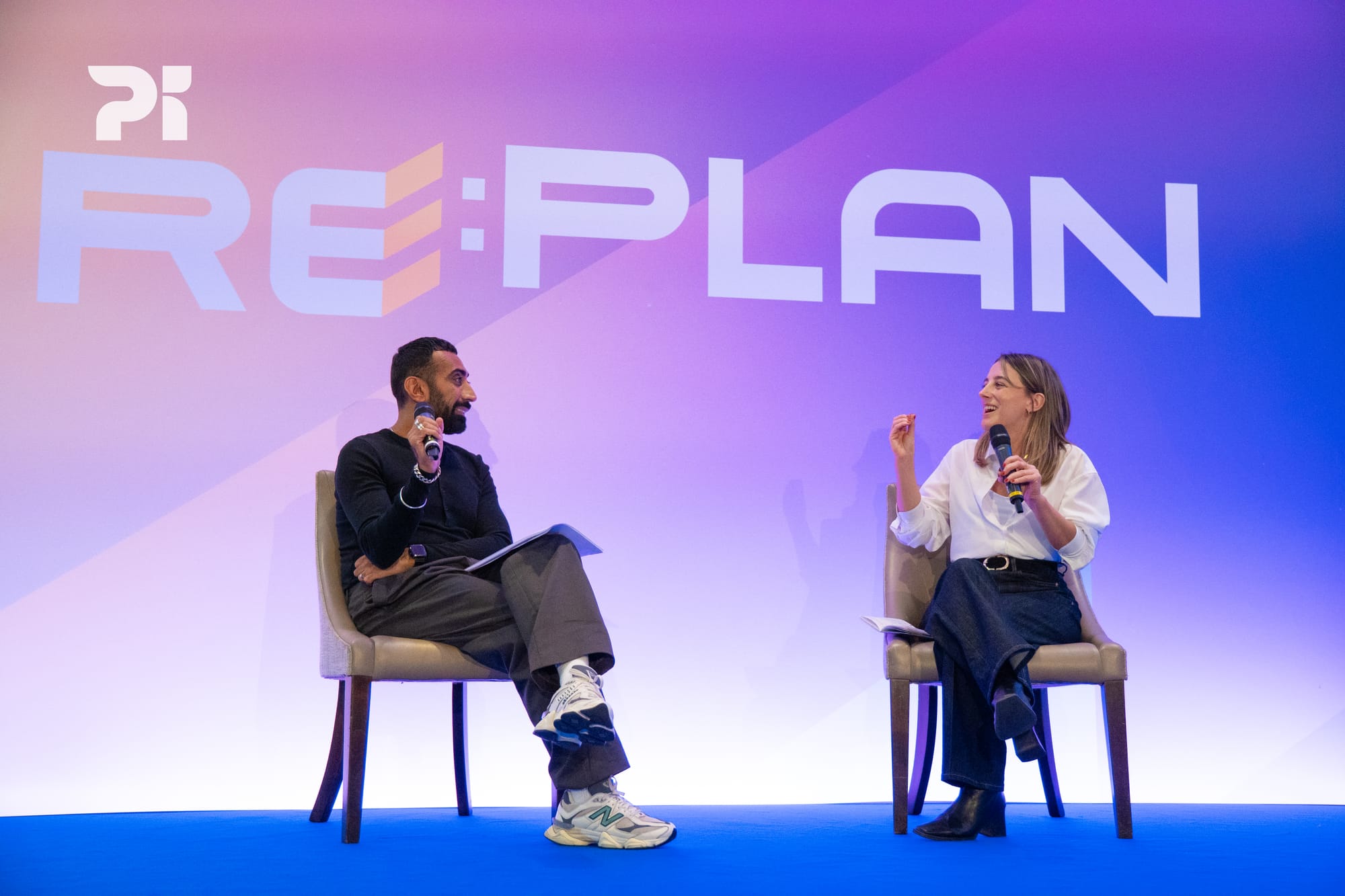
The cost of keeping options open
Every planning decision has a best moment to make it, and it isn't always as early as possible. The planners who seemed most in control had worked out, product by product, which decisions to lock in early and which to leave open.
Brunello keeps as much stock as possible in central warehouses and ships to stores at the last viable moment. Inventory, he argued, should go wherever it's most likely to sell, rather than staying with whichever channel forecast it. That takes investment in distribution, but a forecast error is less likely to leave stock stranded in the wrong place.
He takes a similar approach to sourcing. A product can't be the cheapest, the fastest and the highest quality all at once, so he decides which lines need a fast-response programme with supply chain and which can rely on safety stock. He also judges sourcing on full landed cost, because a cheaper product can end up costing more if it arrives late or has to be marked down.
Not every business can hold that much back. At Calvin Klein, Samantha Soldera, former Director of Merchandising, had to commit early. Around half of a collection was bought before selling campaigns had even started, so her team agreed three layers across regions: a small core every region carried, in colours the marketing would support; key launch styles agreed globally; and categories of focus, where each region chose its own options. Locking in the first two layers gave wholesale accounts confidence, and left flexibility where local taste mattered.
Committing early doesn't have to mean committing to more. For Fountain, it can mean accepting gaps. When she worked at Zalando, occasion dresses had a return rate of around 80%. Rather than overbuy to keep every size in stock, the team planned on net sales, let sizes run out and relied on back-in-stock emails, knowing returns would refill them. Customers soon learned to wait for them.
If we overbuy to keep the customer happy, you're just creating a problem for yourself at the end of the season.
— Frances Fountain, Fabletics

Blame keeps a plan wrong for longer
Sooner or later, every plan misses, and how a business reacts says a lot about its culture. In the Day 2 poll, the room split almost evenly between those whose planning team works “well enough” with finance and merchandising when the plan changes, and those who said “it’s a struggle”.
Brunello thinks the instinct to find a culprit makes things worse. If a missed forecast gets someone made the scapegoat, people learn to hide their mistakes for as long as they can, and the business finds out late. Teams that feel safe saying “this forecast is wrong” can act weeks earlier.
He’d also change where the post-mortem starts. Rather than every function going back to its own whiteboard to improve its own KPI, he begins at the moment the customer did or didn’t buy. Was it fit, sizing, the product itself, or expectations set too high? Then he traces that back through the chain. His analogy was football: a team can have the league’s best striker and still lose if the defence is weak, or if it’s down to ten men.
Working backwards only helps if everyone is looking at the same numbers. Otherwise, each team arrives with its own version of what went wrong. Kristina Hilfrich, Director of Operations at PAIGE, looks after all of the company’s reporting, and argued for one measure every team should watch: inventory, because it’s where future buying decisions sit and where returns land.
You should have one shared truth and you can have different views on it, but you should definitely not have different realities from it.
— Kristina Hilfrich, PAIGE
When something does go wrong, Hilfrich goes to the people closest to the process, looking for the cause rather than a culprit. In her experience, there’s almost always a reason: the tools weren’t right, or it had always been done that way. Fixing that once is cheaper than firefighting the same problem in six months.
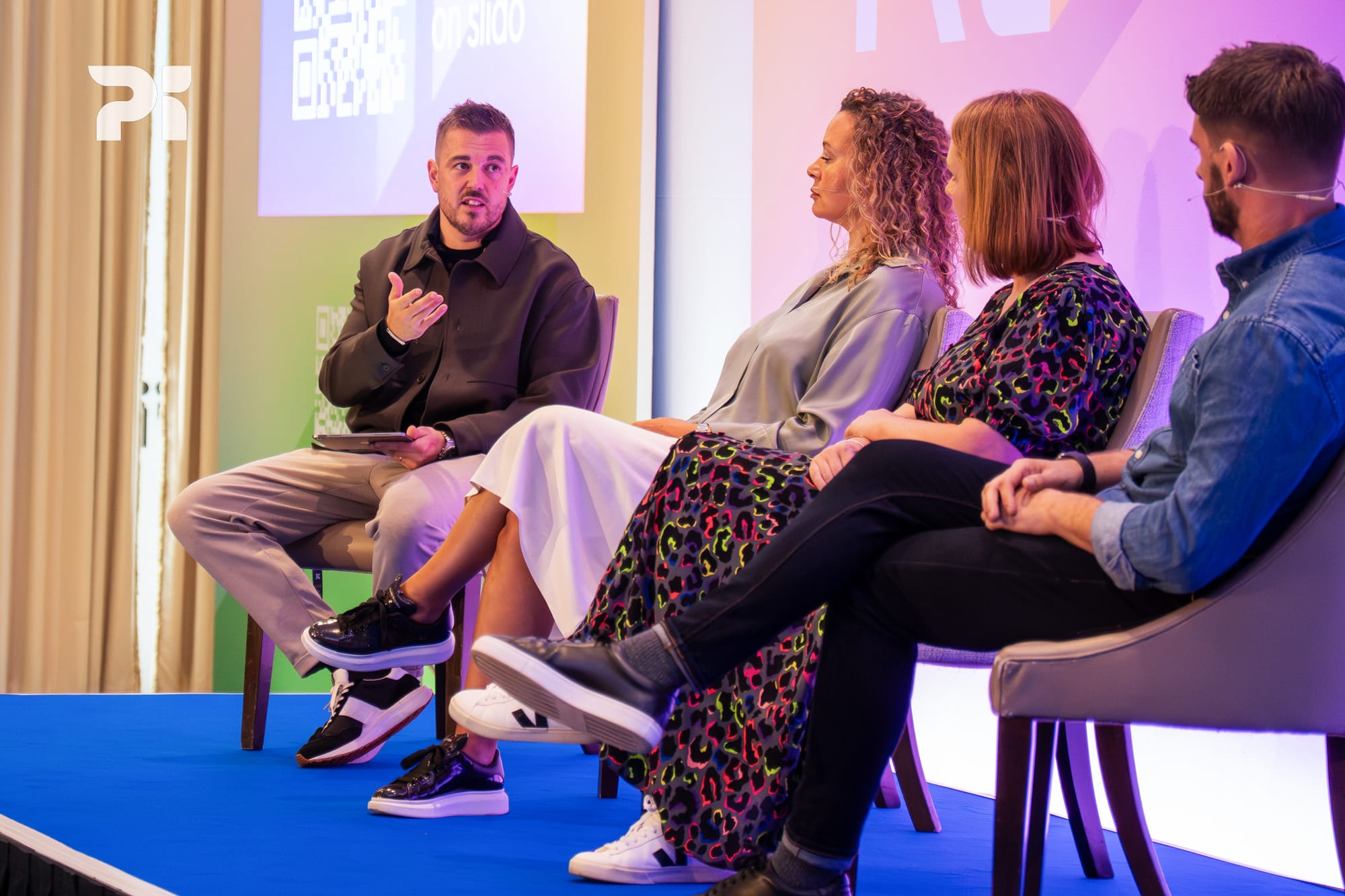
Tools that earn their place
Excel still runs most planning. In the Day 2 poll, around 70% of the room said more than three-quarters of their planning happens in it, and whilst nobody on stage treated that as a failing, several had found tools worth adding alongside it. The ones that stuck had two things in common: they gave planners time back, and they could be trusted.
Three merchandising leads had moved their planning onto Board with consultancy BDG, each going live in around three to four months: Jo Parker, Group Head of Merchandising at N Brown; Becky Bradley, Head of Merchandising at The Works; and Chris Chmiewlisk, Head of Merchandising & Trade at Hawes & Curtis. Before the move, their teams spent most of their time pulling data together and very little using it. At The Works, Bradley's weekly sales and stock summary wasn't ready until the end of Monday, too late to shape the start of the trading week.
Since going live, The Works uses it every day. Chmiewlisk said the balance had flipped from 80% preparing data to 80% using it, and Parker's footwear and denim teams told her the new system finally "feels like planning". Their advice for anyone about to change their planning system: be ruthless about scope, resource the project honestly, and just start.
And then, of course, there's AI, which came up in almost every session. Here, the harder half of the test is trust: saving time only helps if you can rely on what comes out. Heidi Van Dyck, CEO of athena studio, argued that results should be tracked continuously, on business outcomes, accuracy and adoption, from the day a tool goes live. One client came to her after discovering, a year into a previous AI project, that much of the data it had produced was wrong.
Above all, she wants a tool to show its working: you should be able to ask how it reached an answer and trace it back.
When it’s a black box, it’s probably not the right tool, or not built in the right way.
— Heidi Van Dyck, athena studio
Michael Ferris, Lead Product Manager at The Very Group, builds that trust the way you would with a new merchandising assistant: set the parameters it works within, ask for its reasoning, and coach it when it's wrong. And because trust depends on the data underneath, his team doesn't wait for it to be perfect. It fixes data where it unlocks commercial value first, then works backwards.
Fountain keeps a simpler check: she asks Claude to rate its own answer out of ten. It usually gives itself a six. The room is still wary too. Asked who wins when the AI and the merchant disagree, most sided with the merchant.
In both cases, the tools that earned their place gave planners more time to think and a way to check the answer. But the final call stayed with the merchant.

Being least wrong takes practice
Asked what most often breaks a planning transformation, most of the room picked change management, ahead of data, technology and leadership alignment. For Matt Dawson, Director of Merchandising at The Cotswold Company, the people side he worries about most is further down the line. Merchandisers have always built commercial judgement by doing the manual work, much as software developers learned by writing code: years of building reports and getting things wrong at small scale. AI is starting to take that work away.
If you go in to replace the task with the AI model or the system, then how do people learn how to be merchandisers in future?
— Matt Dawson, The Cotswold Company
Dawson doesn't have a full answer yet, but he's weighing a few ideas. Juniors could learn by shadowing decisions, and seniors could be reverse-mentored on the technology.
Others are making time for practice. Sandeep Dulai, Head of Merchandising at JoJo Maman Bébé, wants every team member to become a super user, so the know-how doesn't sit with one person. At Fabletics, teams get a weekly hour to experiment, and a monthly award for the best use of it.
At The Works, the new planning system raised the question in a different way. It exposed gaps in the team's merchandise planning skills that nobody had had time to notice, so the team is now going back to basics on planning itself, alongside learning the software.
Every tool that saves planners time also takes away some of the work they used to learn from. That learning has to be put back on purpose.
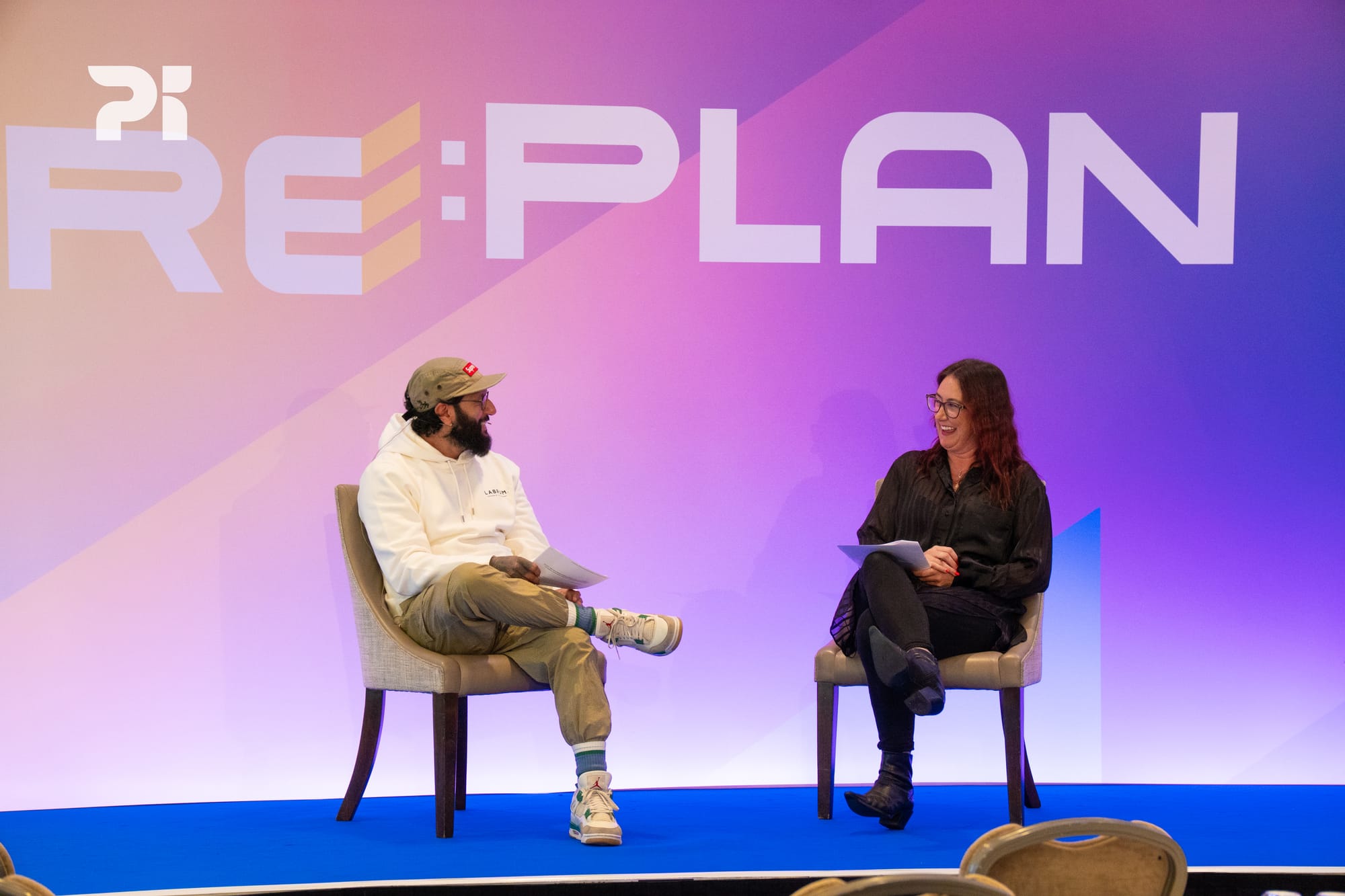
The why behind the numbers
Sales data tells a planner what sold. It rarely explains why, and that’s the part next season’s plan depends on.
Adeel Niaz, founder of Studio 84, has spent years on the creative, product and direct-to-consumer side of global sport, most recently helping build FIFA’s year-round store. When he started, he said, FIFA was effectively selling to one customer: a 40-year-old football loyalist. His team spent a year and a half finding out who else buys, interviewing fans in 12 cities during the Euros, and built five customer profiles that licensees now design to. Most of the business, it turned out, sat in the US, where fans wanted big, bold graphics on everything.
His worry is that established brands stop doing this work once they think they know their customer, and lean on the data alone. In sport especially, people are often buying a memory of having been there.
A product is moments. It’s a moment I was there.
— Adeel Niaz, Studio 84
Some of the why is far more ordinary. Fountain and Dulai both argued for writing notes into the weekly sales and stock summary: the heatwave, the influencer post, the promotion. Otherwise, a year later, nobody remembers why a week spiked, and the plan either repeats it or misses it. When Fabletics recently opened a store in Berlin, the operations manager started logging every day’s weather and what was happening in store, so next year’s plan would start with the reasons as well as the numbers.
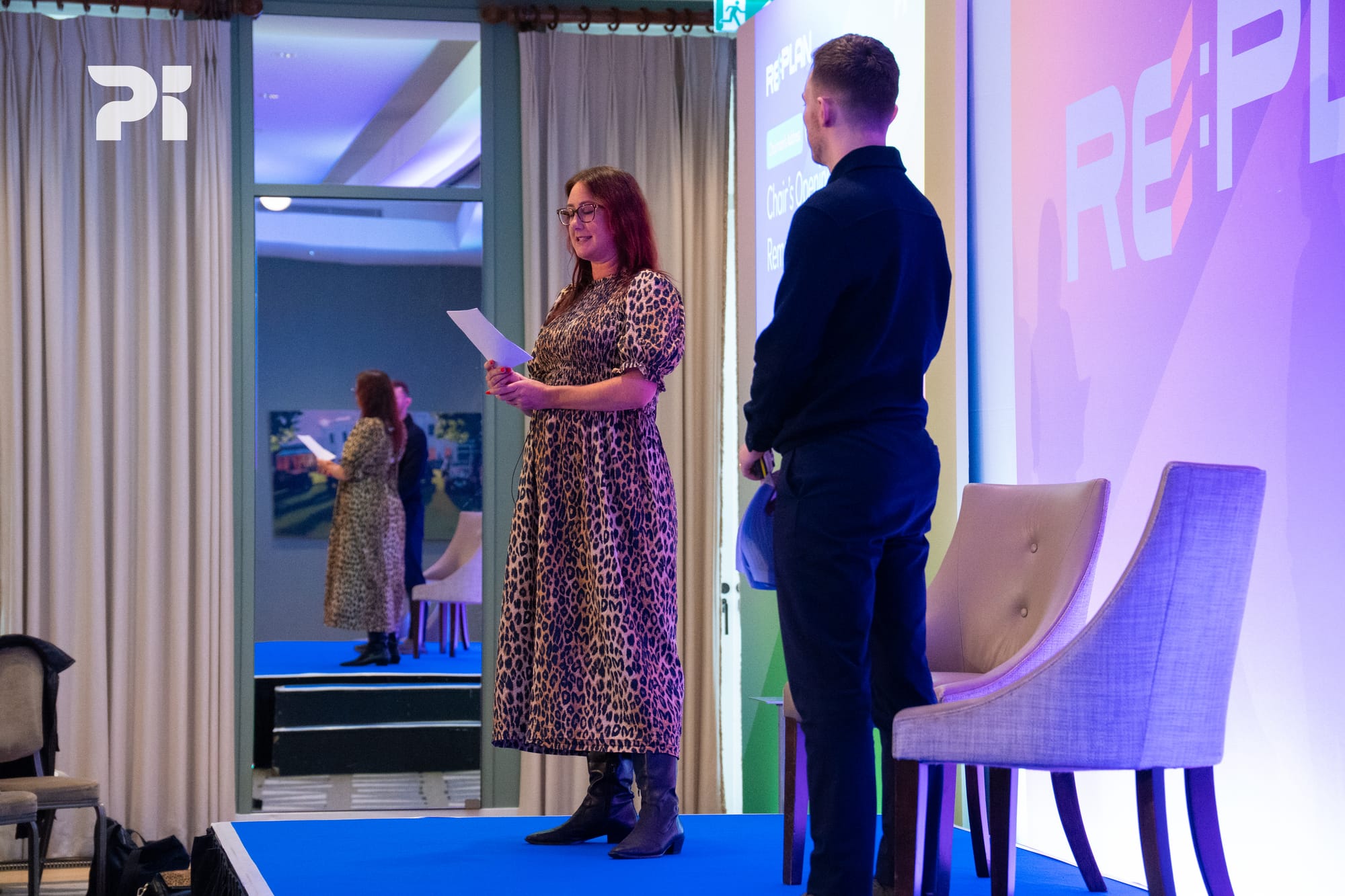
Co-chair Hannah Abdul-Hamid admitted she went home after Day 1 with her brain scrambled. Merchandising is harder than it has ever been, she said, and nobody has all the answers.
It can be a lonely job too. But for those two days it wasn’t. The room was full of people who had all been wrong this season, and were happy to say so.
The perfect plan still doesn’t exist, but the least wrong one is easier to find together.