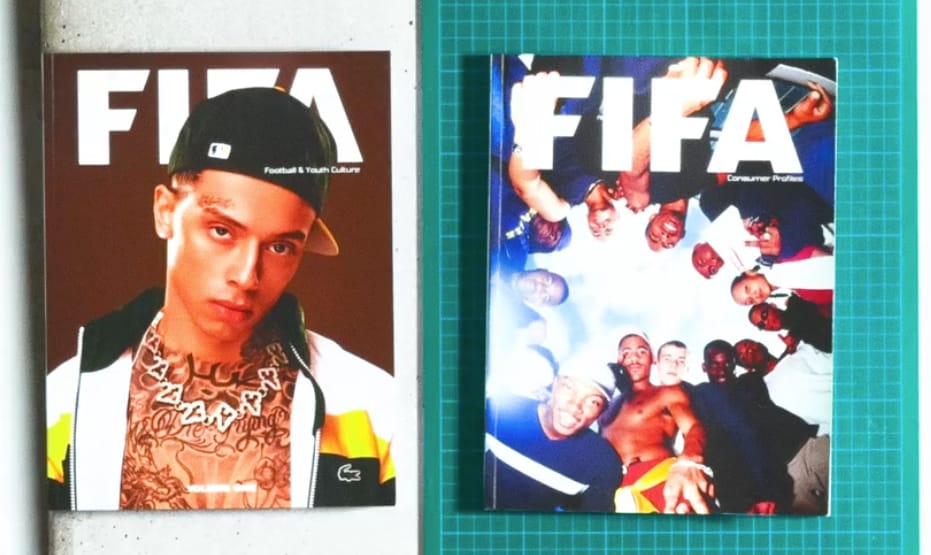


Adeel Niaz started on the shop floor at Nike Town London in 2012, the year London hosted the Olympics. This gave him real proximity to the consumer; seeing what people actually picked up, what they asked for, what they got excited about, and, perhaps most importantly, what they didn't care about. He learned to build from the consumer backwards, rather than starting with an internal brief and trying to find a consumer for it.
Nine years and one major rebuild later, he arrived at FIFA with a philosophy already formed, and a specific gap he went on to spend the next five years closing.
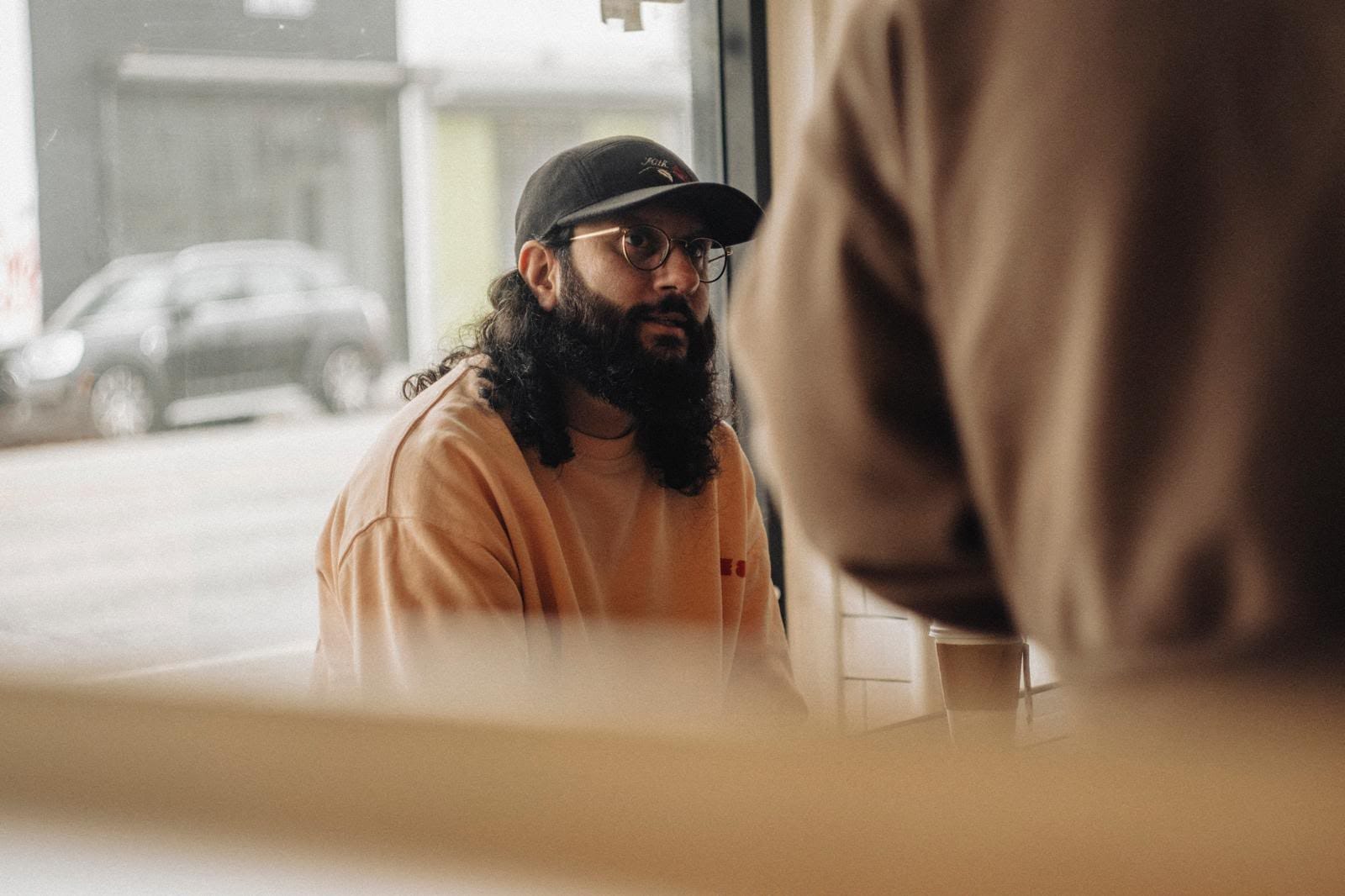
He Didn’t Just Work It, He Lived It
Over nine years at Nike, spanning buying, merchandising, allocation, e-commerce, DTC and factory stores, Niaz describes rebuilding Nike's football licensed apparel business from the ground up, reimagining product development and range architecture, and being in the room for Nike x PSG Jordan. Working across football, the NFL and Jordan taught him something that’s forever stayed with him.
Sport is much bigger than just the sport. A jersey can be a performance product, yes, but it can also be fashion, identity, memory, community and a way of telling people who you are.
He commanded a $450M domestic licensed business in his final years at Nike, scaling to $700–800M during peak event cycles.
When asked what his time at Nike taught him, he simply replied, "to think for myself." Nike gave him a set of principles around consumer obsession, innovation, storytelling and the power of sport. But the bigger lesson was not to copy Nike's answers. It was to understand the principles behind them and apply them to the problem at hand.
I didn't just work at Nike, I lived it. I left having helped write some of Nike's boldest chapters, and my pen hasn't stopped since.
Product as a Vessel
When talking of a product, Niaz doesn't start with what it is, but describes it as something that always carries a story, a memory, a place, a person, an emotion, a piece of identity.
Merchandise is moments. Those 'I was there' moments. The ones that mean something to me, or where I'm in that pride moment. The physical product is the vessel through which that meaning travels.
That reframes any product brief. Instead of starting with what the product should look like, he starts by asking what he wants someone to feel when they see it, buy it and wear it. Once that's answered, the design, materials, graphics, storytelling, retail environment and content all become tools to deliver that feeling.
The same logic shapes how he thinks about heritage. It's a word he considers one of the most misused in fashion and sport, either ignored or suffocated under.
I see heritage as raw material, not a museum.
The job isn't to recreate the past exactly. It's to understand what made a moment meaningful, then translate those codes into the world people live in today. He strips a graphic, colour, story, badge, player, place or moment back to its emotional truth, then reinterprets it through contemporary design, silhouettes, materials and culture. His test is whether someone who wasn't there can still feel something when they see it. If they can, heritage has become culture rather than nostalgia.
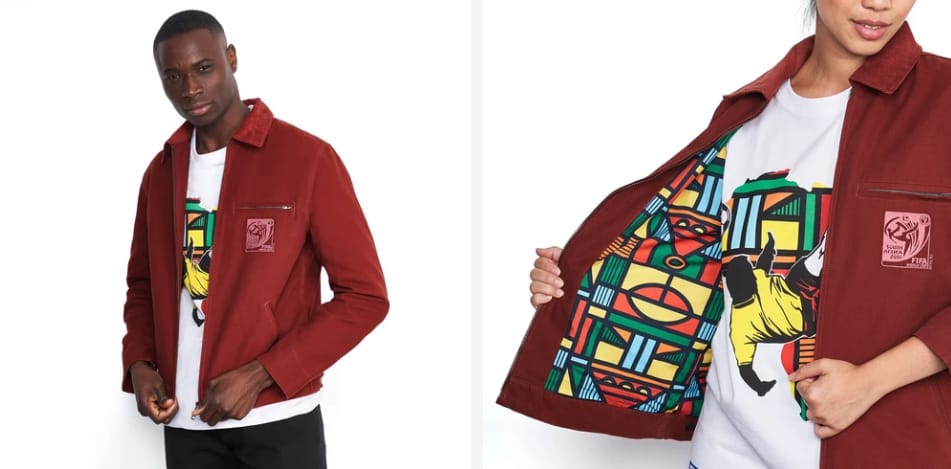
This thinking is the foundation of FIFA Classics, a clothing and merchandise collection sold through the official FIFA Store that draws on historic logos, mascots and emblems from past World Cups. He says its job is to make the archive feel alive again. It's not enough to take an old badge or graphic and put it on a T-shirt; the product needs to reinterpret the story for someone living today. The brief for FIFA Classics involved: building a brand that feels authentic, relevant and meaningful; turning timeless assets into modern cultural expressions; and inspiring fans, creators and partners to celebrate football's legacy in new ways.
Niaz is direct about what "consumer-first" does and doesn't mean when it comes to this collection. It isn't asking people what they want and building the most popular answer. It's understanding their world deeply enough to know what role a brand or product could genuinely play in their lives.
Being visible all the time doesn't mean you are part of culture.
That distinction shows up in the questions he asks. Instead of "what can we sell?", it's "what does this person care about, where are they, and what could we create that feels relevant to them?" That means getting out into the world, listening, observing culture, and bringing those insights back into the commercial and creative process. He frames this as a shift from a one-size-fits-all approach to a consumer-centric one, built on EMEA-wide FIFA consumer research and a consumer segmentation mapping engaged fans against the unengaged fan opportunity.
That tension between culture and commerce is one he's had to manage directly. In his words, it shows up when something is culturally interesting but commercially difficult, or commercially attractive but culturally weak. His approach is to go back to the consumer and the purpose of the idea, who it's for, why they'd care, what the work is actually trying to achieve. Sometimes that means changing the commercial model. Sometimes it means changing the creative idea instead.
I would rather fix the idea than force something through because the numbers say we should.
Between the Tournaments
That philosophy is what Niaz brought to FIFA, and it's what he is using to address the gap that has followed the brand for years. Whilst FIFA's brand awareness has remained enormous, the active consumer relationship with the brand has never matched it. FIFA has an extraordinary amount of history, emotion, players, tournaments, cities and memories attached to it. But much of the consumer interaction was concentrated around the event itself.
The opportunity was to unlock what exists between the tournaments, making FIFA relevant 365 days a year through product, stories, heritage, cities, culture, retail and partnerships. The potential was always there, but the challenge was turning a huge global awareness platform into an active consumer relationship.
The event should be the biggest chapter in the story, but not the only chapter.
His starting point was fifastore.com, FIFA's official online store for jerseys, kits and licensed merchandise. He didn't see it as just a shop. It was one of the most tangible entry points between FIFA and the consumer, a place where a story could become a product, then an experience.
He led the end-to-end creation of the store, defining the global e-commerce strategy from concept to launch and establishing FIFA's direct-to-consumer commercial foundation. That included co-developing the brand identity to work across e-commerce, tournament retail, pop-ups and flagship event environments, and leading the migration to Shopify Plus, a five-to-six-month programme, to improve speed-to-market and platform autonomy. The site itself was built on headless commerce architecture, chosen for flexibility and future scalability across global markets.
Niaz ran this from 2021 to 2026. At the Qatar 2022 World Cup, that work delivered the biggest e-commerce footprint FIFA had ever run at a tournament til that point, generating record sales over a 4.5-week period.
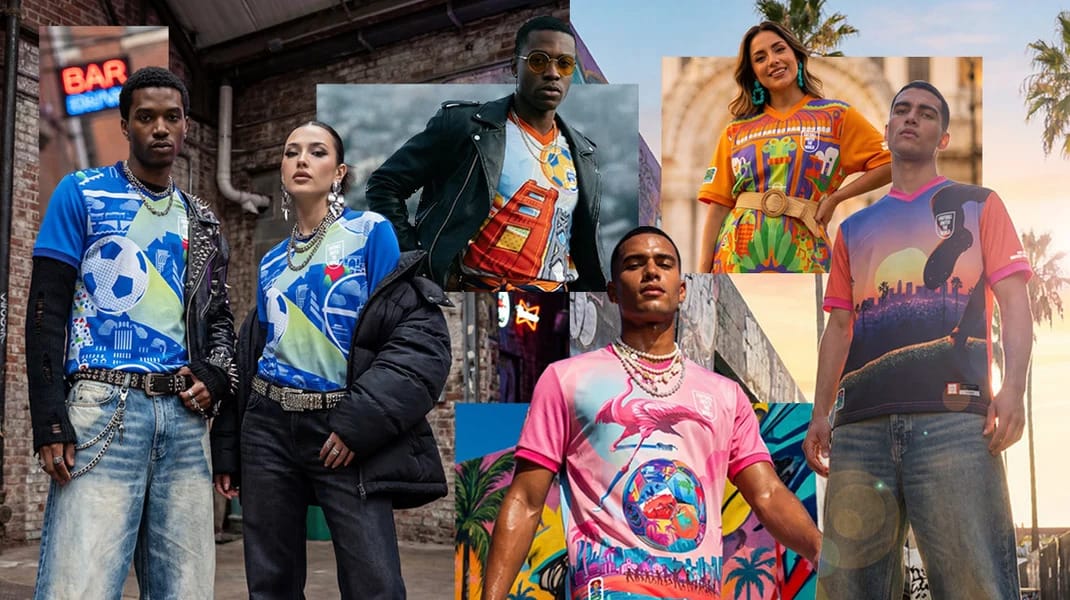
'Welcome to Our Block', a collaboration between FIFA x Stereo Creative (Source: https://www.stereocreative.com/case-study/welcome-to-our-block)
‘’Welcome to Our Block’’
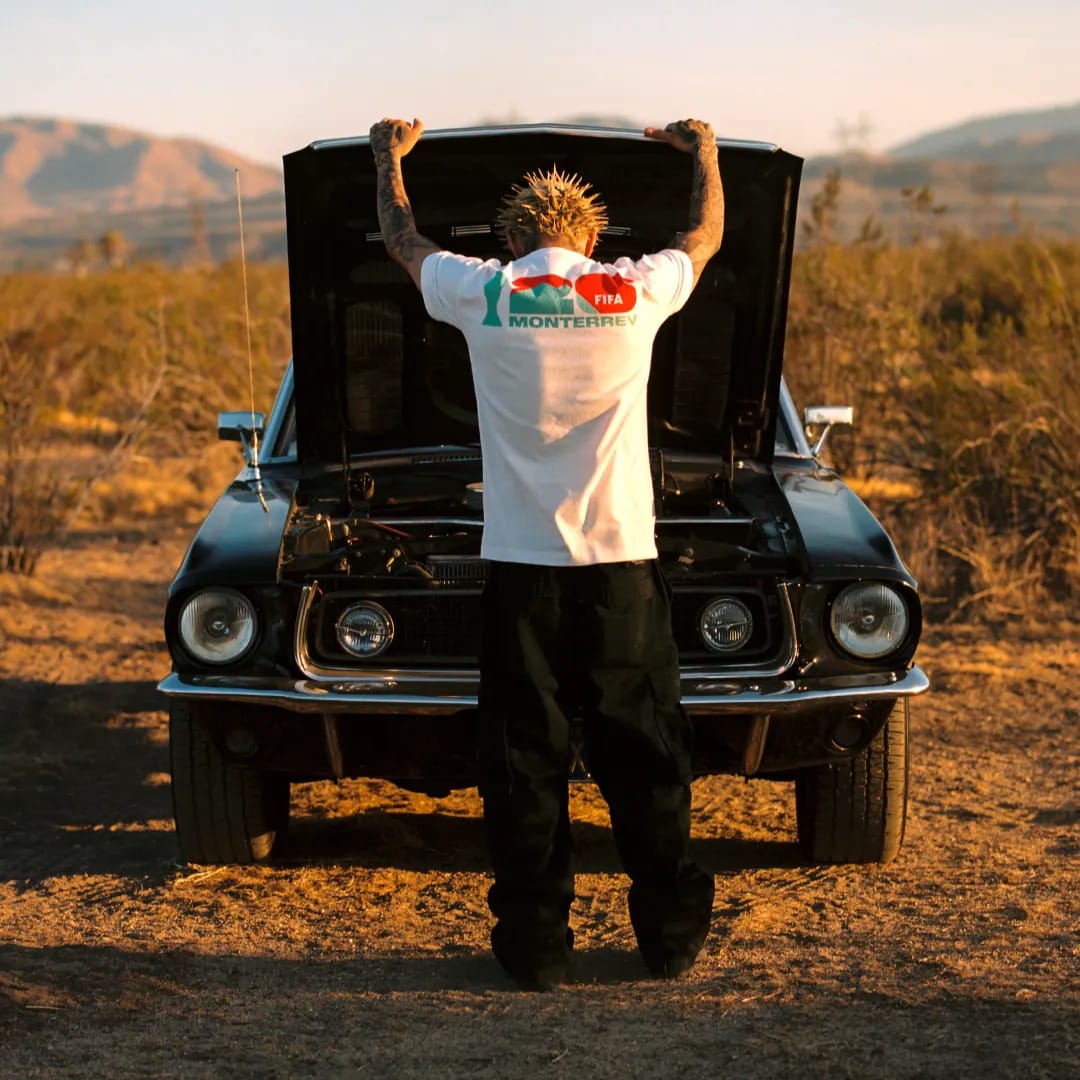
Next came the host city collection, "Welcome to Our Block," produced for the recent FIFA World Cup 2026.
The idea was straightforward. If FIFA was going to talk about the World Cup being hosted across sixteen cities, the product needed to make those cities feel real, not just wear their name. Niaz didn't want generic World Cup merchandise with a different city printed on each shirt. He wanted every place to have its own identity. So his team worked with local artists to let each city tell its own story through products. The challenge was balancing that authenticity with the realities of a global commercial programme: design, approvals, production, scale, distribution and timing.
The result was sixteen artists telling sixteen stories, each piece of artwork made by someone who knows their city not as a backdrop, but as home. Niaz led the production end-to-end, from a hero video and social assets through to a paid affiliate programme and retention marketing, all built around the same idea: translate a city's identity into something people would actually want to wear.
The real magic is in capturing a city's pulse, a community's pride, and turning that into something people can wear, feel, and remember.
The numbers backed it up. The collection drew 100M+ views and sold through at 80%. For context, a successful range at Nike (at least when Niaz worked there) would typically sell through at 67%, with 72% considered strong enough to protect margins. FIFA had never attempted a range like this before, and it was produced well ahead of the tournament itself. Hitting 80% under those conditions was strong enough to trigger a replenishment programme.
For Niaz, that's proof of a wider point: local relevance doesn't have to mean niche.
If the story is authentic, it can create global demand.
The Real Test
Niaz had said the always-on culture approach would be tested once FIFA went back into event mode for the tournament. Asked whether it held, he shared that the World Cup should amplify the 365 work, not reset it. The tournament is the biggest moment, but if the audience, product ecosystem, retail infrastructure, stories and partnerships are built beforehand, there's a much stronger platform to build from when the event arrives.
The real test is whether people see FIFA as something they engage with beyond the tournament. If the event becomes the biggest chapter in an ongoing relationship rather than the entire relationship, then the 365 thinking has done its job.
This shift is hard to execute in practice, and he doesn't pretend otherwise. Event organisations are naturally built around peaks. Everyone knows when the tournament is, when the biggest audiences arrive, when the commercial pressure increases. Always-on requires a different rhythm. It needs connected product, content, retail, partnership and marketing calendars, and teams planning further ahead with a longer-term consumer relationship in mind. Most importantly, in his view, 365 can't sit with one team. It has to become an operating model across the organisation, or it stays a strategy slide rather than a real one.
Some of that listening happened directly on the ground. At Euro 2024 in Germany, he spoke to more than 250 football fans in person, and what stood out to him most was how personal football is. People weren't only talking about teams and results. They were talking about memories, family, friendships, cities, travel and moments they'd experienced through football. It reinforced something he already believed but wanted to test properly. People weren't just looking for more merchandise.
Fans don't necessarily need more products. They need more meaningful products.
That shifts the internal question from "what merchandise should we make?" to "what story are we helping this person take home?"
PROVOKE x FIFA - Research Casefilm (Source: https://vimeo.com/1122802093)
Protect Your Curiosity
Asked what he'd tell someone starting out in his kind of career, his advice: get as close to the consumer as you possibly can. Don't rush to get the biggest title; get as many different experiences as you can. Learn product, commercial, creative, execution, and how to sell an idea. And protect your curiosity.
Spend time outside your job looking at what people are doing, wearing, listening to and talking about. In his experience, the people who stand out aren't necessarily the people with the most polished CVs, but the people who see something others haven't seen yet and can turn that observation into an idea.
What doesn't show up on a CV gets the same honesty. There have been ideas that were too early, products that didn't land, partnerships that weren't right, and concepts that were culturally exciting but couldn't scale. In his view, those experiences are probably as important as the visible successes. They teach judgement.
Not every good idea is the right idea, and not every idea needs to survive.
A career can look linear from the outside, but in reality it's built through a lot of experiments, mistakes and small lessons.
His thinking draws on more than one source. Some of it comes from the environments he's worked in: Nike, sport, licensing, retail and FIFA. But just as much comes from curiosity about the world outside work, music, fashion, football, cities, architecture, design, retail, and the people creating culture. He credits consumers, creators, athletes, retailers and colleagues, and says he's probably most influenced by people who are obsessed with their craft and who challenge the obvious answer.
The common thread is curiosity, looking at something and asking why it matters, who it matters to, and how it could be better.
Building a Brand That Belongs to Them
Niaz has said, in different forms, that the brands that win will be the ones that mean something. Asked to define that, he says a brand means something when people give it meaning beyond the product itself. When it becomes connected to identity, community, memory or emotion. That's when a transaction starts becoming a relationship.
His marker for knowing you've got there is simple. People choose to wear something, talk about it, collect it, share it, remix it or defend it, and they attach their own memories to it. For him, that's the ultimate ambition.
Not simply making something people buy, but creating something people feel belongs to them.
It's early days. The World Cup has come and gone, and whether FIFA's fans stay engaged now, rather than going quiet until the next tournament, is still an open question. The host city numbers are a good sign. But the real proof of a 365 brand was never the tournament. It's what happens next…