

Patagonia has been one of the most talked-about brands in the apparel industry for decades. But its digital product creation journey? That's been conducted almost entirely in silence.
No conference keynotes. No early case studies. No bold public declarations about going fully digital. Just a small team and eight years of doing the work that most brands rush past in their eagerness to announce progress.
In this Seamless conversation, Keala Stephan, Director of 3D Digital Product Creation, and Iain Finch, Senior Manager of 3D, AI & 2D Digital Visualization and Product Creation GTM Operations, pull back the curtain on their DPC journey to date.
What follows is a conversation about infrastructure over image, craft over capability, and the discipline required to build a digital programme that actually holds.
🎥 Watch the full discussion below, and read on for the full editorial feature.
Eight years of quiet work
Patagonia's DPC journey began not with a mandate from above but with a visit to a partner factory.
Keala came back from that trip convinced that digital product creation was a direct expression of Patagonia's mission; a way to reduce environmental impact across prototyping, sampling, marketing and sales. She started making the case quietly, educating leaders, bringing people along. Not loudly, but in the 'Patagonia way'.
We consciously did the hard work up front to build our infrastructure, train our internal employees, onboard our partner factories. All in an effort to have a really strong foundation to build on sustainably — Keala Stephan
That foundation-first approach is what has defined everything since. While other brands were announcing ambitious digital rollouts, Patagonia was building libraries, writing standard operating procedures, running pilots, and onboarding factories slowly and deliberately. It wasn't the exciting version of a digital transformation story. It was the right one.
Iain, who joined as a consultant before coming onboard full-time five years ago, reflects that the reticence to speak publicly was never about secrecy. It was about honesty.
We always felt like we were still learning. Digital product creation was a marathon, not a sprint. There's always more work to do.
— Iain Finch
That mindset, that there is always more work to do, runs through everything in this conversation.
COVID didn't kill it. Here's why.
The pandemic period created a moment of reckoning for many brands' DPC programmes. Some paused. Some reset. Some abandoned the work entirely. Patagonia did have to stop — but only briefly, and for the right reasons.
Keala describes arriving at the office on a Friday in early 2020 to find that a training scheduled to begin the following Monday had been cancelled. COVID had shut everything down. The DPC work was paused for about nine months while the business focused on more critical operations.
But the pause was used well. When they returned, the team rebuilt the roadmap from scratch, this time in-house, with a tight cross-functional group of partners from across product creation who helped define new workflows, build libraries and run fresh pilots.
What allowed Patagonia to keep moving when others stopped wasn't funding or executive mandate. It was alignment of purpose.
Digital product creation has never felt hard to justify when put through the lens of our mission statement — Iain Finch
That's a point worth sitting with. In most organisations, digital transformation programmes live and die by their business case; typically a combination of cost reduction and speed to market. When those arguments become harder to make during a crisis, the programme stalls. At Patagonia, the argument was always environmental. And that argument doesn't weaken during a pandemic. It only gets stronger.
When 3D stopped being a pretty picture
When Iain was asked when 3D stopped being a visualisation tool and became infrastructure, he replied candidly that it was never really about the visual.
It's never been about the pretty picture. It's always been about how do we have the most accurate product on screen to make the best possible decision — Iain Finch
He tells a story about a colleague who spotted a zipper width that was off by one millimetre in a 3D render. That level of product expertise — the ability to interrogate a digital asset as rigorously as a physical one — is what Patagonia has been building toward.
The shift in Iain's own role is telling. He describes moving away from the technical complexity of building 3D assets and toward democratisation: getting 3D into people's hands without requiring them to be digital natives. Making the tools available at the moment a decision needs to be made, without friction, without needing to open specialist software.
How do I get 3D in people's hands to make the best possible decision they can and move on with their day, without having to be a digital native to do that? — Iain Finch
For Keala, the parallel shift has been about process. Patagonia has genuine oversight of its go-to-market calendar, which gives the DPC team unusual leverage to influence how digital tools are integrated into deliverables. It hasn't always been quick. Process change rarely is. But having that oversight has meant they can push on the areas that genuinely need to change, rather than working around them.
Process change is tough, and let alone when you're trying to implement tools on top of that — Keala Stephan
Where the workflow holds and where it still fractures
Patagonia hasn't mastered the end-to-end digital workflow. Keala says so plainly, and without apology. But that honesty is itself instructive; the places where it works are genuinely working, and the places where it breaks are specific enough to fix.
Across product creation, the tools are in meaningful use. Design teams are using 3D for earlier alignment and decision-making. Developers and factory partners are using it for digital prototypes and optimising physical samples for fit and function. Pattern engineers are validating patterns in 3D before finalising anything for manufacturing. Merchandising partners are increasingly leaning into digital assets for selling tools.
The progress is real. But cross it into the next department and things slow down.
The handoffs feel really manual; there's a bottleneck in that process. I'm never surprised anymore once certain teams live through a 3D journey for a season or two how quickly they can get acclimated. But then it's: how do we get it to you in a more seamless way? That tends to be the part that breaks — Iain Finch
Iain describes the goal as making those handoff moments as frictionless as possible; not by eliminating them, but removing the manual friction that slows each one down. The vision is of a product that people across the business have already seen, understood and contributed to long before it arrives in physical form. Not a waterfall of handoffs, but a shared ongoing picture.
That's still ahead of where they are. But the direction is clear.
The tension between storytelling and product truth
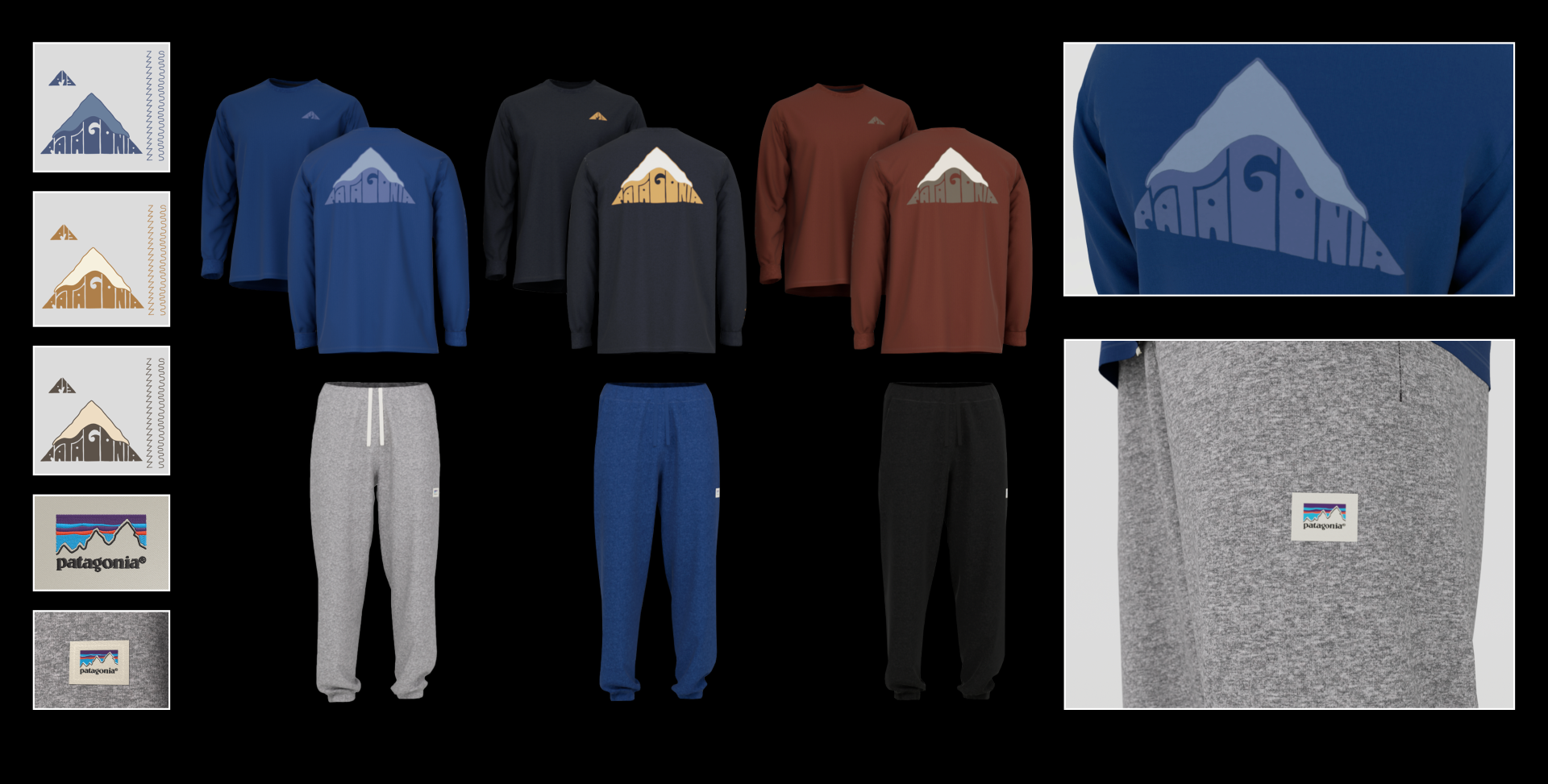
Iain's role has evolved to include 3D storytelling, using digital assets not just for internal decision-making but for external communication, marketing and sales. Most people would frame that as progress. Iain frames it as a new set of problems.
Product accuracy is the non-negotiable. It's the thing that makes everything else possible and the thing that gets compromised first when storytelling ambitions outrun technical reality.
It's not just doing great 3D. It's doing great 3D that feels like Patagonia
— Iain Finch
That distinction matters more than it might seem. A technically accurate 3D render can still look wrong — wrong environment, wrong lighting, wrong feeling — in a way that undermines confidence rather than building it. As soon as you start placing products in settings, the question shifts from "is this accurate?" to "does this feel like us?"
At Patagonia, where brand feeling is deeply specific and deeply tied to real places, real people and real environments, that's a genuinely hard problem. You can render a jacket beautifully. But the jacket has to feel like it belongs in a valley in Patagonia, not in a studio in California.
This is where they're spending more time now, because the infrastructure is finally in place to support it. The foundation took eight years to build. Now they get to find out what they can do with it.
Digital doesn't solve everything. They say so out loud.
One of the most refreshing parts of this conversation is how directly both Keala and Iain reject the notion that DPC has fixed all the problems it was supposed to fix.
Iain is almost emphatic about it.
DPC has not solved World Peace. Just because you can do something digitally doesn't mean you should. If it takes longer, is more painful, and the decision quality is poorer, then you shouldn't adopt it.
— Iain Finch
At Patagonia, which makes everything from pinnacle climbing gear to basic lifestyle product, the range of technical complexity is enormous. Some products can and should be developed primarily in digital. Others — those that require real-world testing for function and fit — simply cannot be. The digital tools haven't matured to the point where they can reliably simulate certain kinds of fabric behaviour, especially under compression or extreme conditions.
Keala uses a metaphor that will land for anyone who has tried to implement new ways of working while keeping existing operations running:
The car is moving down the road and we're trying to change the tires while we're going — Keala Stephan
Digital and physical have to coexist. The skill is in knowing which to use when, and being honest when the digital route is slower or less accurate for a particular use case.
The real sustainability story, not the simplified one
Sustainability was the reason Patagonia came to DPC. And it remains the lens through which every decision is made.
But Keala is clear-eyed about the gap between the sustainability narrative that was sold to her when she first encountered the technology and the reality of making it work.
The technology was definitely sold to me as a quick win for sustainability and cost. And while that's true, it's a lot of work to get there. It's not a flip of a switch — Keala Stephan
The wins are real. Digital size sets. Early-stage design ideation without physical samples. Graphic and print placement reviewed digitally before any physical strike-offs are produced. Factory partners checking their interpretation of a tech pack against a digital asset before going physical. These are meaningful reductions in waste, accumulated over eight years of careful work.
But the sustainability case is inseparable from the infrastructure case. You cannot deliver on the environmental promise of DPC if your assets are inaccurate, your factories aren't onboarded, or your teams don't trust what they're looking at. The two things rise and fall together.
Iain adds a subtle but important reframe: rather than talking about reducing samples, he prefers to talk about optimising them.
We're not just taking away a sample. We are giving you something in return...a digital moment and product to make a hopefully better decision than you did previously — Iain Finch
That shift in language matters because it changes the conversation from one of loss to one of exchange. Teams aren't being asked to do without. They're being offered something different. And when what they're offered is genuinely useful, adoption follows.
Building the digital fit muscle
Of all the places where digital trust has to be earned, fit is the most personal. Get it wrong and the consequences aren't abstract; they show up on a real body, in a real sample, at a real cost.
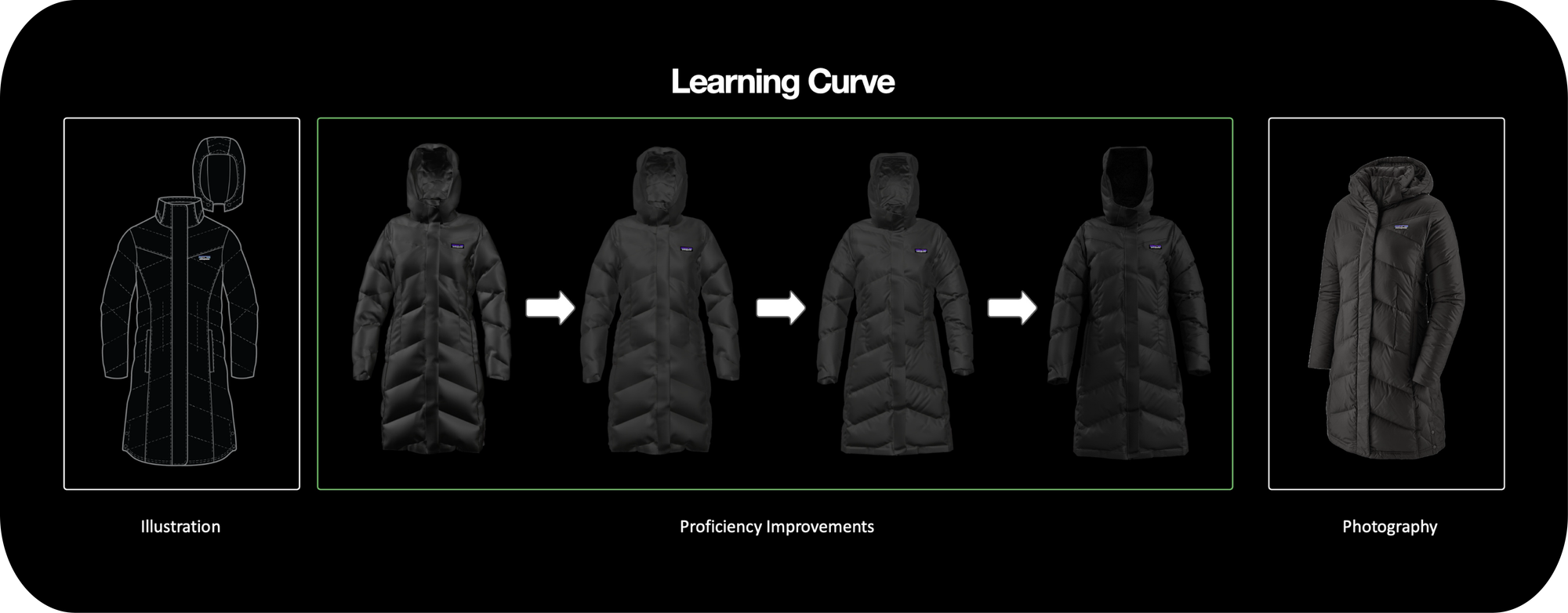
Patagonia's approach has been methodical. Rather than asking teams to abandon their physical instincts immediately, they ran digital and physical in tandem, allowing people to compare the two directly. What they found, most of the time, was that the digital was extremely accurate.
We've seen more often than not that the digital is extremely accurate. If we see the digital first and the physical comes a day later, there are all these questions of 'is that right, is that right?', and then the physical comes and it's spot-on 90% of the time — Keala Stephan
That 90% figure matters, not just as a metric, but as a trust-building tool. Showing people the comparison, repeatedly and across product types, is what moves the needle.
But trust in digital fit isn't purely a question of asset accuracy. It's also about who's looking, and what they're being asked to evaluate.
Iain draws an important distinction between the technical designers and size-and-fit specialists who interrogate a digital garment with real rigour, and the broader population of stakeholders — line managers, sales teams — who simply need fit intent. For the latter group, the challenge is different. It's not technical skill. It's habit.
You forget that people, since childhood, have spent time looking at a photo to make a decision. Digital can feel different and feel awkward. Turns out it's sometimes way more accurate, but that's still a hard thing to turn off
— Iain Finch
Building the digital fit muscle is ongoing. It requires training people not just in how to use the tools, but in how to look: how to evaluate what they're seeing and understand what digital can and cannot tell them.
The human side of transformation
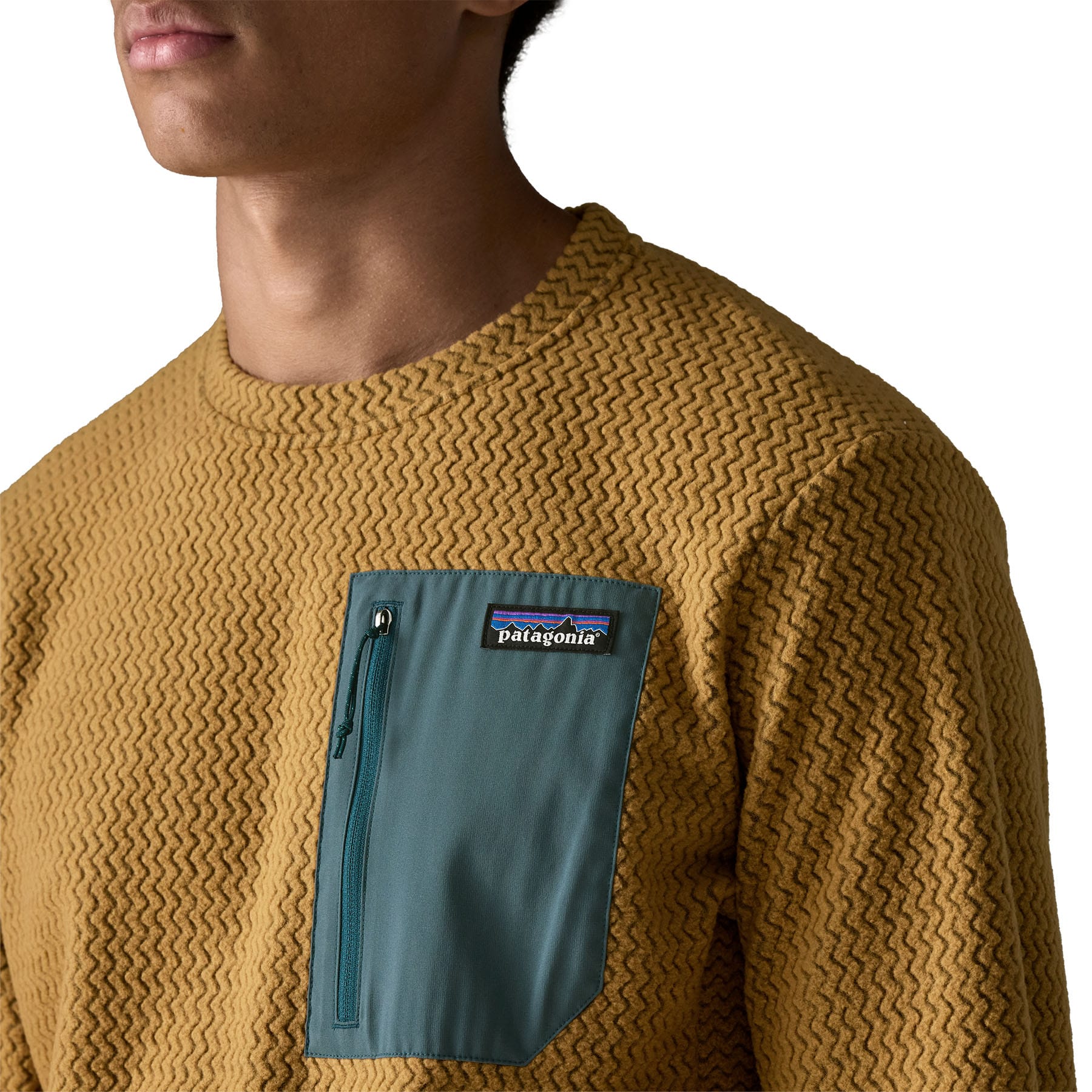
Digital transformation is usually discussed in operational terms: roadmaps, milestones, adoption rates, workflows. Keala and Iain go somewhere different: to the emotional reality of asking people to unlearn.
Their starting point is a simple declaration: digital doesn't replace craft.
That matters at Patagonia, where craft is not a marketing claim but a genuine organisational value. The fear, especially in the early years, was that going digital meant losing something. Handing over expertise to a tool. Becoming less skilled, not more.
The response hasn't been to dismiss that fear. It's been to address it directly, at the individual level, one team and one workflow at a time.
Organisational change is this grand thing, but if you meet people where they're at, there are very different and nuanced reasons why folks might be slower to adopt. As long as you mitigate some of that emotional cost, you do get broader organisational change as a result — Iain Finch
Keala describes Patagonia's approach as people first, then process, then technology — in that order, always. It sounds straightforward. It is anything but.
We've always taken a people first approach. Meeting people where they are in their body of work and showing the benefits to their workflow. That's been critical. — Keala Stephan
Some people embrace discomfort. Others need a longer runway. Some workflows lend themselves to digital immediately. Others need to stay physical for longer. The discipline is in holding the direction while meeting people exactly where they are.
It feels uncomfortable, but we really encourage folks to try stuff. If it works, great. If you fail, great. Let's learn from it and move on — Keala Stephan
Past the hype. Into the work.
There is a moment in this conversation where Iain essentially calls time on an era.
Can we make it official? DPC must be past its hype phase. We're five years into it. We must be past the hype phase with DPC.
— Iain Finch
It's said with some humour, but the point is serious. The exciting part of DPC — the demos, the promises, the what-ifs — has given way to what they call the nitty-gritty of implementation. Less glamorous. Harder to talk about at conferences. But where the real progress happens.
For the team, maturity in DPC now means two things above all else: product accuracy and integration. Continuing to interrogate the quality of what's on screen. Continuing to reduce the friction between systems and teams. Everything else flows from those two commitments.
Maturity is discipline. Not everything needs to be digital. Not everything needs to be explored — Iain Finch
They are candid about hearing of brands trying every tool under the sun simultaneously, and finding it exhausting to contemplate. The Patagonia approach is the opposite: a small but focused team, a clear mission as a filter, and a willingness to leave a lot on the table for all the right reasons.
Part of my job is saying no. Unfortunately, we do have bandwidth restraints and priorities to contend with, but the fact is we want to do it all and we just simply can't — Keala Stephan
When they no longer need to be in the room
And if maturity is discipline, Iain has a specific and quietly radical way of measuring it. It's not headcount. It's not coverage. It's not the number of products developed digitally in a season.
It's whether people can use the tools and make good decisions without the DPC team needing to be present.
How do you not need to see me to get to what you want? How can this be as self-serve as possible? That's a sign of maturity — and something we are continually asking ourselves — Iain Finch
That framing redefines success in an interesting way. Most transformation teams measure progress by how central they are to operations. Iain is measuring it by how peripheral they can afford to become; how much capability they've genuinely transferred rather than retained.
It's a high bar. And it's a long way from where most brands are. But it's the right question to be asking.
Restraint as strategy
One of the most counterintuitive aspects of Patagonia's DPC journey is how much of it has been defined by what they've chosen not to do.
Keala describes her role, with some humour, as often being the person who says no. Or, in a distinction she's careful to make, not yet.
Sometimes it's a no and sometimes it's a not yet. We want to do it all — we just simply can't — Keala Stephan
That discipline applies to AI as much as anything else. Patagonia is watching the space carefully. They see real value in AI's ability to reduce workflow friction, smooth out integrations, and handle interoperability between tools. But they're not rolling out AI for its own sake.
Like everything we do at Patagonia, we're looking at how AI is going to serve what our goals are and what problems we're trying to solve. Not jumping into something shiny just to try it out.
— Keala Stephan
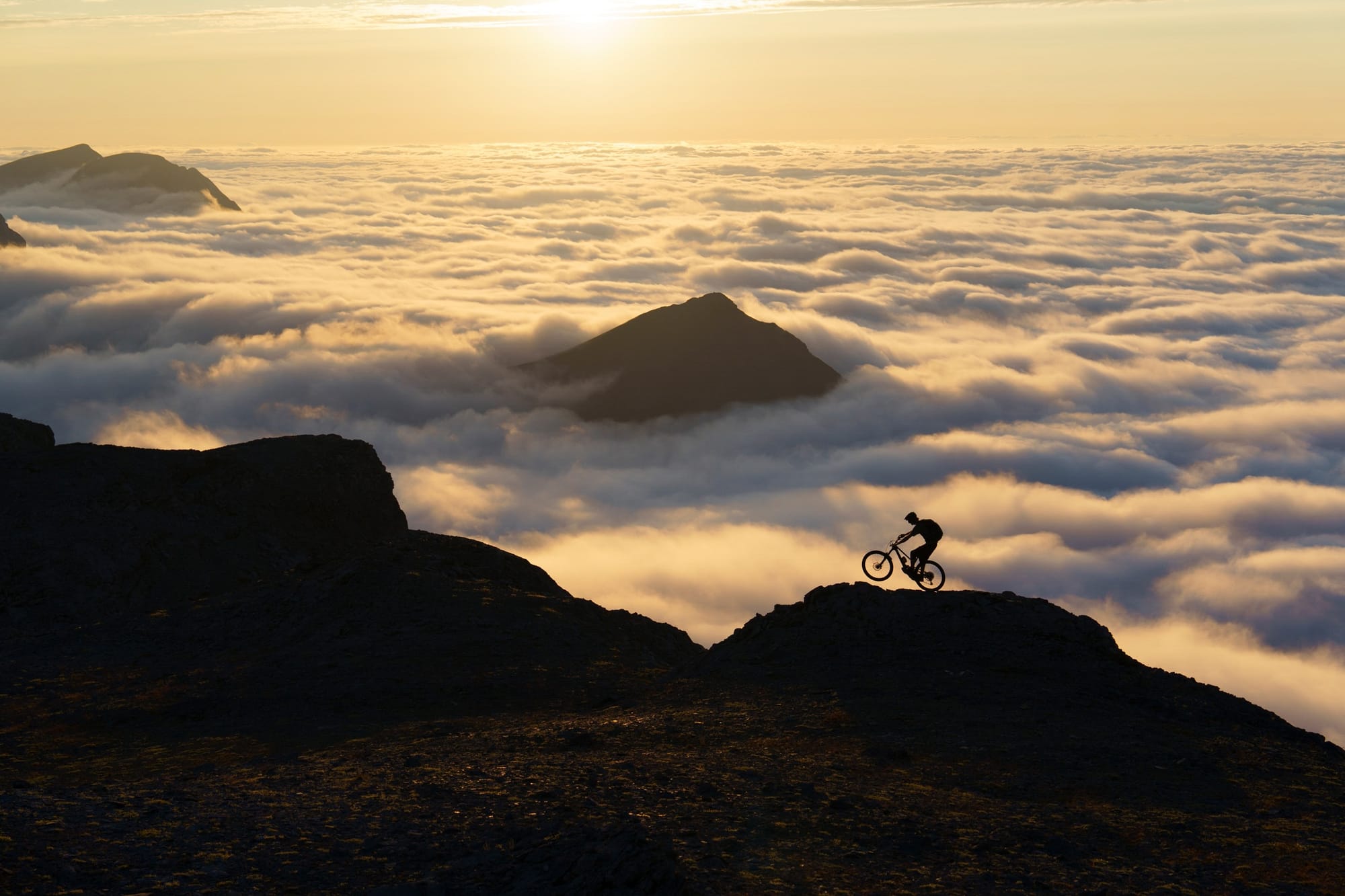
On storytelling and marketing specifically, Keala is explicit about what Patagonia won't digitise. The brand's stories are tied to real places, real athletes and real relationships. Authenticity isn't an aesthetic choice; it's foundational to what the brand is. No 3D render, however accurate, replaces a photograph taken in a wild place by someone who was really there.
What comes next
The infrastructure is in place. The standards are set. The teams are building confidence. Now Patagonia is looking at what it can actually do with what it's built.
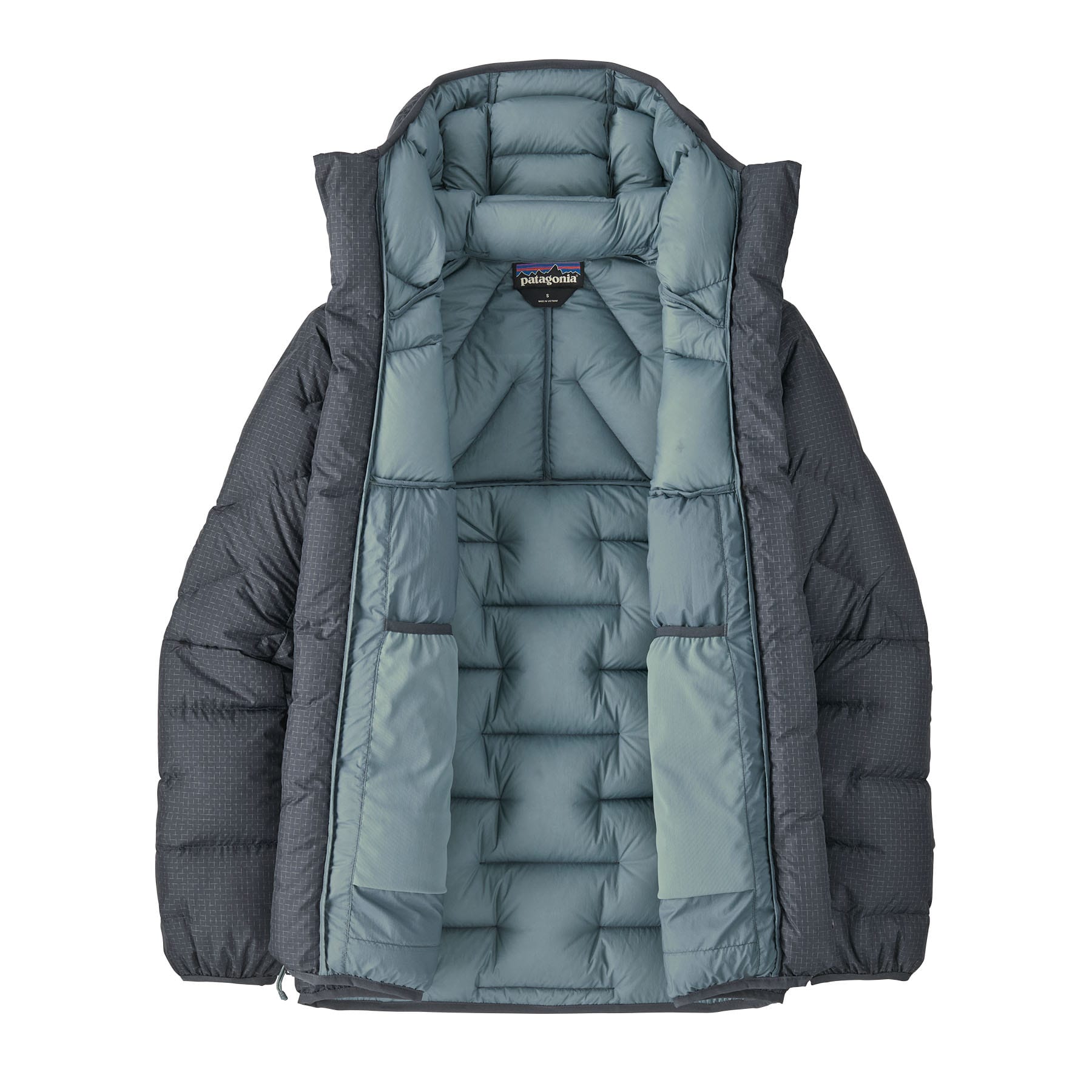
The area both Keala and Iain describe with the most genuine excitement is what they call the connect body of work. Using the accurate, trusted digital assets that now exist across product creation to tell stories and make decisions earlier, and across more of the business.
Merchandising partners. Store planning. Marketing. The traditional go-to-market cadence at most brands means that some stakeholders are effectively a year away from the product they're supposed to be selling. The opportunity is to close that gap, not by compressing the calendar, but by giving people access to a shared picture of the product earlier in its development.
By the time it shows up in physical form, they've already known about it. And there are some intangible but very valuable benefits that come from that — with the quality of decision-making in product development, technical design, our sales team. That's just going to ultimately result in better product — Iain Finch
Keala frames the next chapter in the same terms she used to describe the journey so far: people first, craft protected, tools deployed where they genuinely serve. Uncomfortable growth, but grounded growth.
There is so much ahead for us. We still are doubling down on maintaining our infrastructure and our standards. We know that's forever work. It's the behind-the-scenes work that's so critical — but it has to be in a good place in order to continue to scale — Keala Stephan
There is a lot still ahead. Both of them say so. But unlike others that chased the hype and are now backtracking, Patagonia built something that doesn't need to be dismantled and rebuilt.
That's what doing the hard work first looks like.